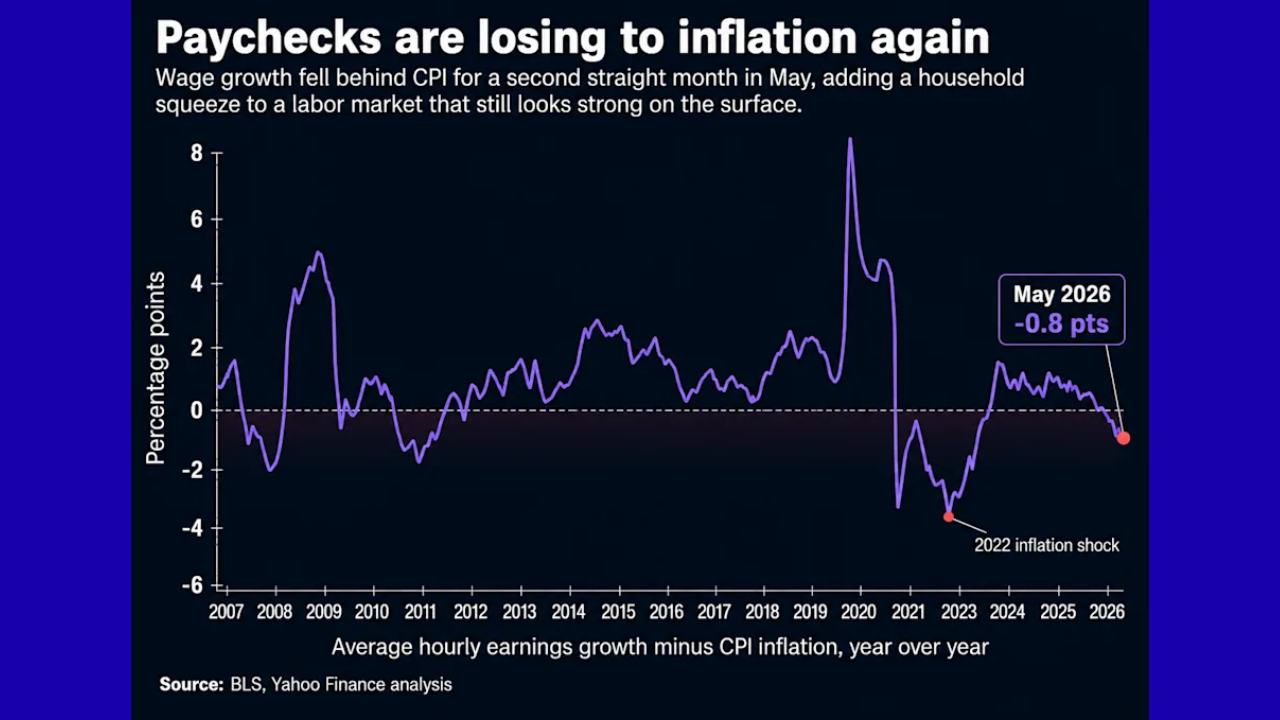
If you’re feeling stressed trying to pay for basic necessities right now, you are far from alone. While wages were briefly outpacing inflation earlier this year, a recent spike in consumer prices (up 4.2% year-over-year in May) has officially overtaken average wage growth (3.4%).
When prices rise faster than your paycheck, your purchasing power drops. You can’t control the economy, but you can take control of your financial strategy. Here are six ways to fight back.
1. Make Your Savings Work Harder
Leaving your cash in a traditional savings account means inflation is quietly eroding its value. Move your money where it can fight back:
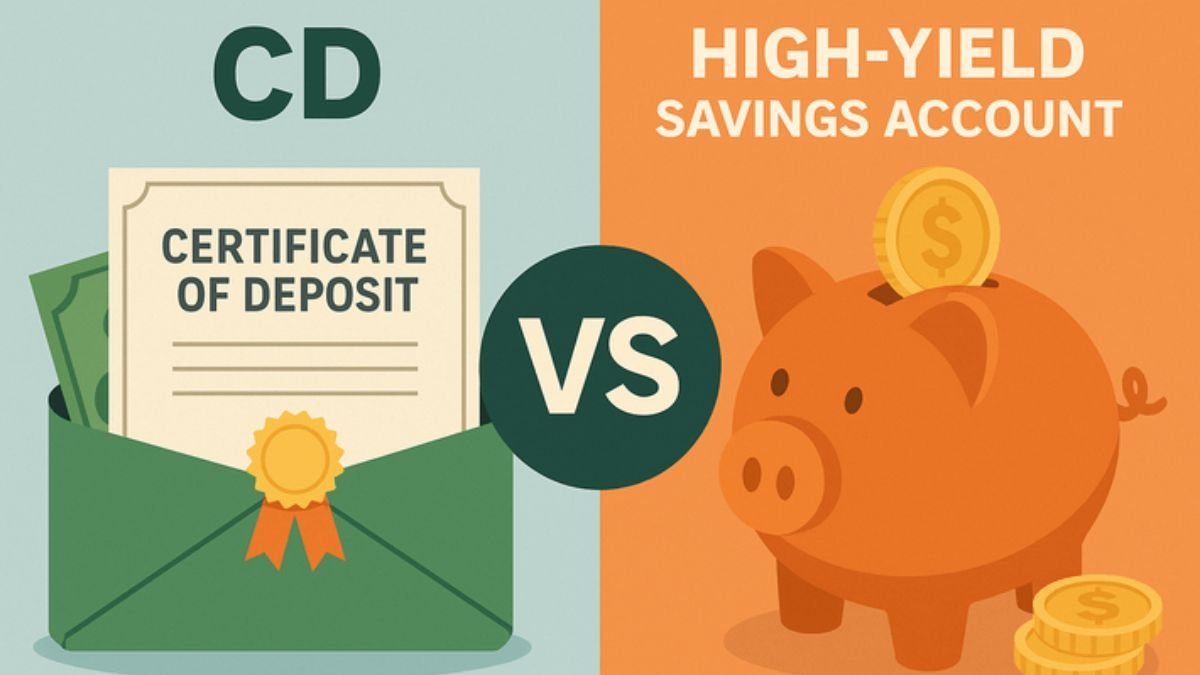
- High-Yield Savings Accounts (HYSAs): With rates up to 4% APY, switching can earn you hundreds of extra dollars a year compared to a standard bank.
- Certificates of Deposit (CDs): Lock in a high interest rate for a set period—just ensure you won’t need to touch the cash until it matures to avoid penalties.
- Treasury Inflation-Protected Securities (TIPS): Government bonds where the principal value automatically adjusts with inflation.
- Series I Bonds: Government bonds that combine a fixed interest rate with a variable rate tied directly to the Consumer Price Index (CPI-U).
- Money Market Accounts: A hybrid checking/savings account that typically offers higher yields in exchange for a higher minimum deposit.
2. Aggressively Attack High-Interest Debt
Interest charges quietly drain your monthly cash flow. Tackle credit cards and personal loans to free up breathing room in your budget using these methods:
- Debt Avalanche: Pay off the highest-interest debt first to save the most money.
- Debt Snowball: Pay off the smallest balances first for quick psychological wins.
- Consolidation/Refinancing: Group your debts into a single, lower-interest loan to lower your monthly payments.
3. Negotiate a Raise
If you didn’t negotiate your salary when you were hired, you’re likely underpaid. Don’t wait for your annual review to fix it:
- Research average market rates for your role and what peers earn.
- Compile a specific list of your recent wins and achievements.
- Practice your pitch and schedule a formal meeting to ask for a market adjustment.
4. Launch a Side Hustle
Boost your income by monetizing your free time. Choose a gig that fits your lifestyle:
- From Home: Freelance writing, editing, tutoring, consulting, or social media management.
- In Person: Rideshare driving, dog walking, or grocery delivery.
5. Pivot Your Career
If your current employer or industry is stagnant, it might be time to switch paths. Focus your job search on high-growth industries that have the capital to offer better compensation, such as:
- Healthcare
- Renewable Energy
- The Information Sector
6. Relocate to a Lower-Cost Area
If your entire paycheck is swallowed by housing, food, and utilities, changing your geography might be the ultimate fix. If you can take your current job remote or find work in a cheaper city, moving could save you thousands of dollars a year.
Tip: Just make sure to calculate upfront moving costs before making the leap to ensure the math works in your favor.
Reed More….https://finance.yahoo.com/personal-finance/banking/
Tax Expert -Suresh jajam

Suresh holds a Master of Commerce (M.Com) degree and is a dedicated personal finance researcher and writer. Combining his advanced academic background in commerce with deep industry research, he covers complex topics like taxation, banking systems, credit analysis, and personal finance strategies. As the founder of Tax Assistant (taxassistant.org), Suresh is committed to translating complicated financial guidelines and economic data into simple, accurate, and actionable educational resources for everyday readers.