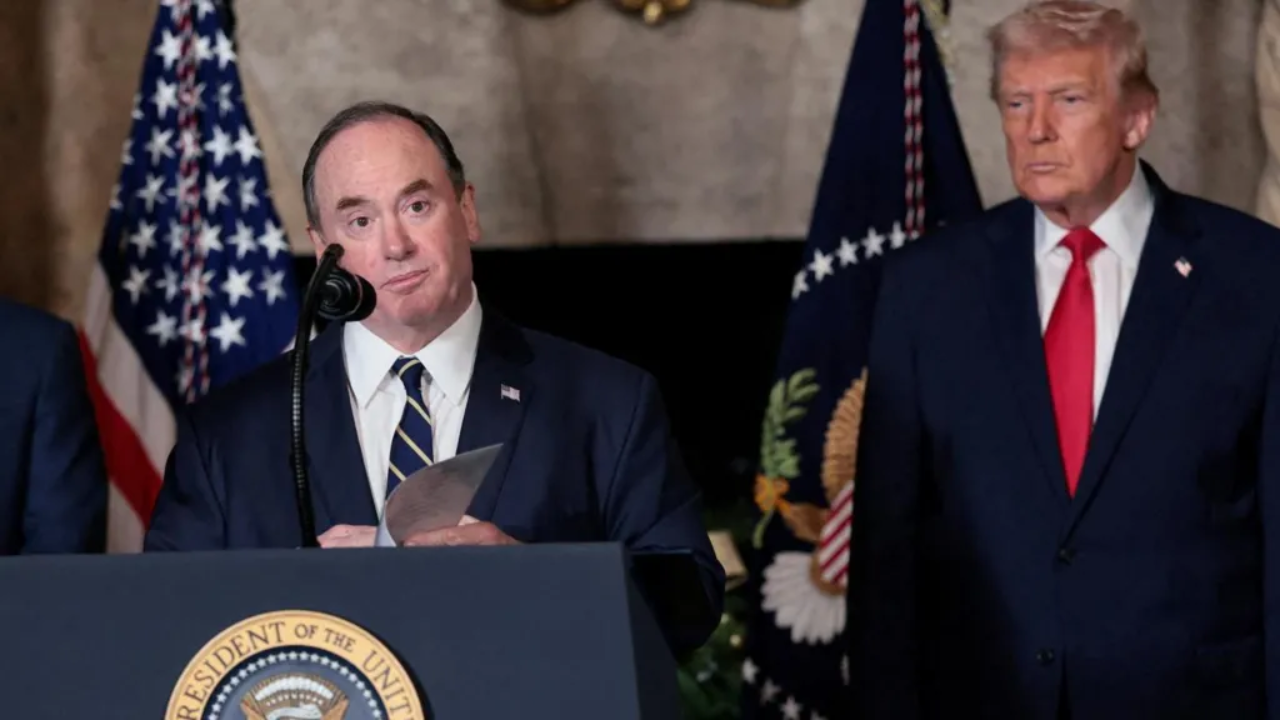
In a major last-minute move, President Trump signed a proclamation on December 31, 2025, delaying scheduled tariff increases on upholstered furniture, kitchen cabinets, and vanities for one year. The move effectively freezes import duties at their current levels, providing a temporary reprieve for a housing and renovation market already struggling with rising costs.
Thank you for reading this post, don't forget to subscribe!Key Changes to the Tariff Schedule
While the planned hikes have been postponed until January 1, 2027, the 25% tariff originally imposed in late 2025 remains in effect. The delay specifically targets the aggressive increases that were set to begin on New Year’s Day:
| Product Category | Scheduled 2026 Rate | Status as of Jan 2026 |
| Kitchen Cabinets & Vanities | 50% | Paused at 25% |
| Upholstered Furniture | 30% | Paused at 25% |
Why the Shift?
- Inflation Concerns: Furniture prices rose 4.6% in November 2025 alone. With voters expressing frustration over the cost of living, the administration is reportedly looking to “moderate the pace” of new levies.
- Housing Market Relief: A 50% tax on cabinets would have significantly increased the cost of new home construction and kitchen remodels, further straining a sector already hit by high interest rates.
- Retailer Warnings: Industry giants like Ashley Furniture had warned that price hikes of up to 12% would be passed directly to consumers if the 2026 rates were implemented.
Broader Context
Who is Affected?
- Importers: Companies sourcing from China and Vietnam—the top two exporters of these goods to the U.S.—gain another year of price stability.
- Investors: Stocks for home-furnishing retailers like Wayfair (W) and Williams-Sonoma (WSM), which saw volatility when the tariffs were first announced, are being closely watched as the market reopens for 2026.
- Consumers: Homeowners planning renovations in 2026 will avoid the massive price jump that a 50% cabinet tariff would have triggered.