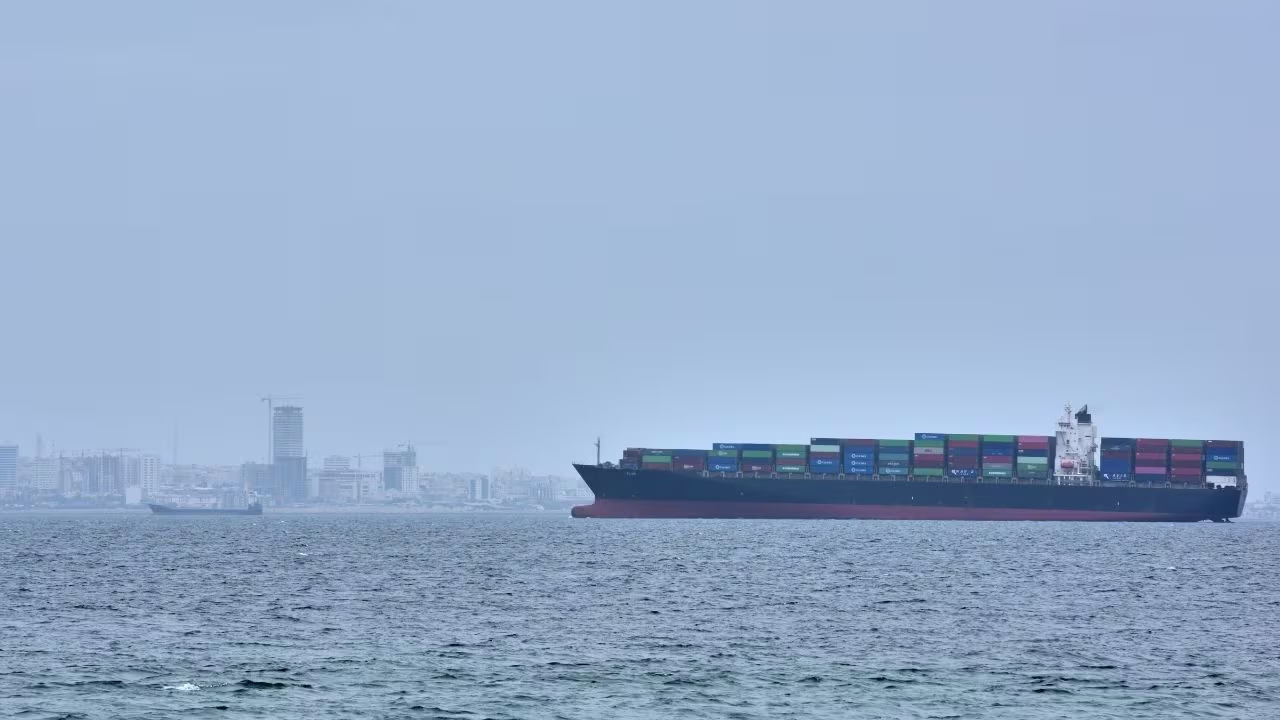
the Islamic Revolutionary Guard Corps (IRGC) officially seized two major container ships in the Strait of Hormuz. This marks a critical turning point in the two-month-old conflict, as it is the first formal seizure of commercial vessels since hostilities broke out on February 28.
Thank you for reading this post, don't forget to subscribe!The Vessels and the Incident
The IRGC targeted two high-capacity ships moving through the chokepoint:
- MSC Francesca: A Panama-flagged vessel (11,660 TEU).
- Epaminondas: A Liberia-flagged ship (6,690 TEU) that was en route to Gujarat, India.
A Defiant Response to the Ceasefire
The timing of the seizure presents a direct challenge to international diplomacy. Just hours earlier, President Trump had announced an indefinite extension of the temporary ceasefire at the request of Pakistani mediators.
However, the maritime action suggests a major rift within Iranian leadership:
- Rejection of Terms: Iranian officials have called the ceasefire “meaningless” while the U.S. continues its naval blockade of Iranian ports, which they view as an active siege.
- IRGC Autonomy: Military analysts suggest the IRGC may be operating outside the control of Tehran’s civilian negotiators to demonstrate that the maritime war will continue regardless of land-based agreements.
Economic and Logistics Impact
The disruption has sent immediate shockwaves through the global economy:
- Oil Volatility: Brent crude surged past $100 per barrel, rising nearly 2% immediately following the reports.
- Shipping Bottleneck: Traffic through the Strait of Hormuz has plummeted to just 10% of its normal volume.
- Energy Crisis: The International Energy Agency (IEA) has labeled this the “biggest energy crisis in history” as “land bridge” alternatives through ports like Jeddah fail to meet the global demand.
While a technical ceasefire may hold in other theaters, the Strait of Hormuz has officially become the primary front of the ongoing conflict.

"Suresh Kumar Saini is an experienced Tax Assistant and finance writer. He specializes in US & Canada Tax Guide, Indian Income Tax laws, GST compliance, and personal finance, helping freelancers and remote workers optimize their taxes."