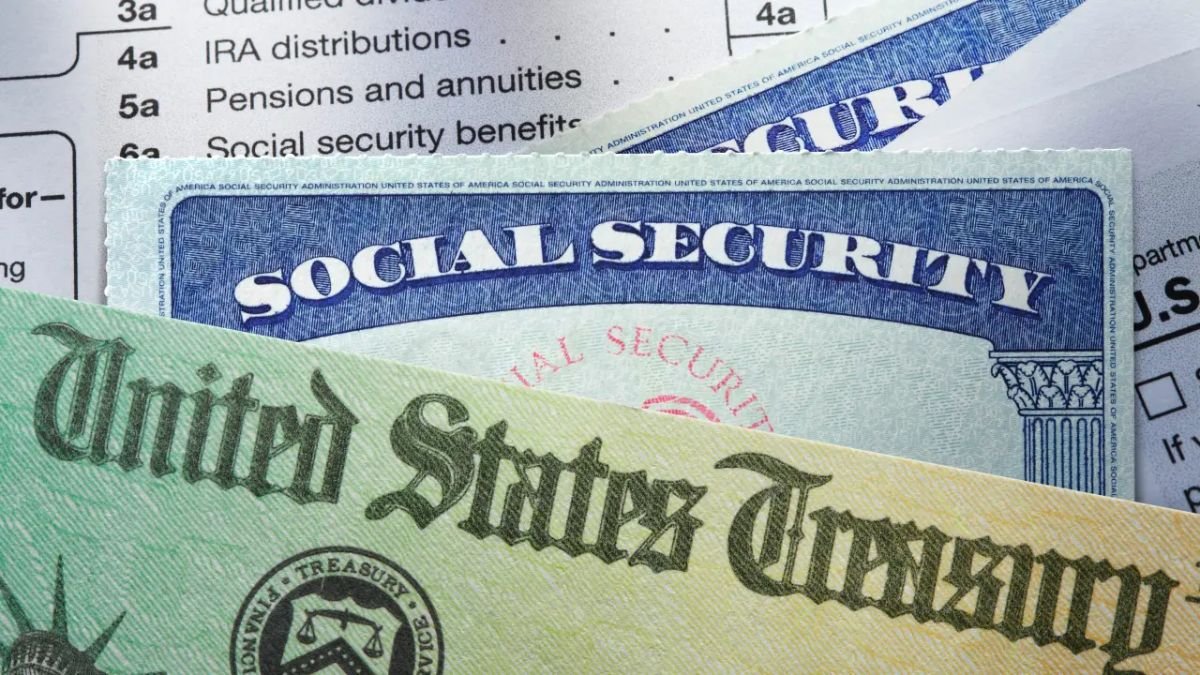
The Trump administration on Wednesday began mailing $500 checks to more than 950,000 Americans who bought health insurance through the Affordable Care Act’s federal marketplace.
The administration says the payments are being sent to families who were overcharged due to Obamacare plan exchange user fees. In its announcement, it says that these fees were “passed on to consumers in the form of higher premiums, funding the operations of the federal Obamacare exchange far in excess of what was needed to run the exchange.”
The White House also says that the Biden administration accumulated a significant surplus of funds that were not used to benefit the people who paid these higher premiums.
Some health policy experts have questioned the White House’s characterization of the fees as an overcharge.
“The user fees help pay for the Healthcare.gov website, its call center and grants to ‘navigator’ groups that assist people in enrolling in the plans,” Cynthia Cox, director of the ACA program at KFF, a health policy research group, told Reuters.
“The fee is set roughly a year in advance. The 1.5% rate for 2025 and the 2.5% rate for the current 2026 plan year were both finalized by the Biden administration, which projected higher fees to offset an expected enrollment drop when the COVID subsidies expired.”
Healthcare advocates have argued that these refunds likely won’t make a meaningful difference for people who are already struggling with rising everyday costs. Brad Woodhouse, president of the Democratic-aligned healthcare advocacy group Protect Our Care, says the payments won’t offset higher premiums.
“Since Republicans took away tax credits from working families, millions of people have seen their monthly premiums rise by hundreds, if not thousands, of dollars,” Woodhouse said in a statement. “At a time when people are scraping by to keep up with the high cost of groceries, rent, and healthcare, this $500 gimmick won’t even begin to dig them out of the hole that Trump and Republicans created.”
Which states are receiving ACA refund checks?
Americans in the 30 states who bought health insurance through the federal Obamacare exchange and paid the full cost of their premiums will be eligible to receive a check.
These states include: Alabama, Alaska, Arizona, Arkansas, Delaware, Florida, Hawaii, Indiana, Iowa, Kansas, Louisiana, Michigan, Mississippi, Missouri, Montana, Nebraska, New Hampshire, North Carolina, North Dakota, Ohio, Oklahoma, Oregon, South Carolina, South Dakota, Tennessee, Texas, Utah, West Virginia, Wisconsin, and Wyoming.
No, no application is necessary. The U.S. Department of the Treasury and the Department of Health and Human Services (HHS) have already identified eligible individuals based on 2026 ACA marketplace enrollment data. Refunds are being distributed automatically via paper check or direct deposit.
The payments strictly apply to enrollees using HealthCare.gov, the federal marketplace platform serving 30 states. States that operate their own independent ACA health exchanges (e.g., California, New York, Pennsylvania, Massachusetts, Washington) charge their own state-level administrative fees rather than the federal exchange user fee that created the target surplus.
The administration’s justification is that the marketplace user fees artificially inflated the base price (sticker price) of plan premiums. Enrollees who receive government premium tax credits had most or all of that cost covered by federal subsidies. Those paying full price (typically earning over 400% of the federal poverty level) absorbed the full financial impact of the higher rates out-of-pocket, making them the primary group targeted for compensation.
The refund is structured as $500 per eligible person, not per household. If a qualifying family has multiple individuals enrolled in an unsubsidized federal marketplace plan, the total household payment could exceed $500 depending on how many family members independently meet the eligibility criteria.
No. This is a one-time refund payment and does not alter ongoing monthly premium billing, deductibles, or policy terms. Health policy advocates note that while the payment provides immediate cash relief, it does not permanently offset higher monthly insurance costs resulting from the broader expiration of COVID-era premium tax credits.

Manoj Sharma is a Senior Writer on the banking team at Tax Assistant. He provides information on budgeting, bank accounts, the banking industry, and other related topics. Using original data and methodologies, he helps you identify the best financial institutions, accounts, and products tailored to your needs. Manoj holds a degree in Journalism and Political Science from Syracuse University. All articles are strictly reviewed and fact-checked by our panel of expert Chartered Accountants, including CA Devendra Saini, CA Nikhil Khunteta, and CA Ankit Goyal