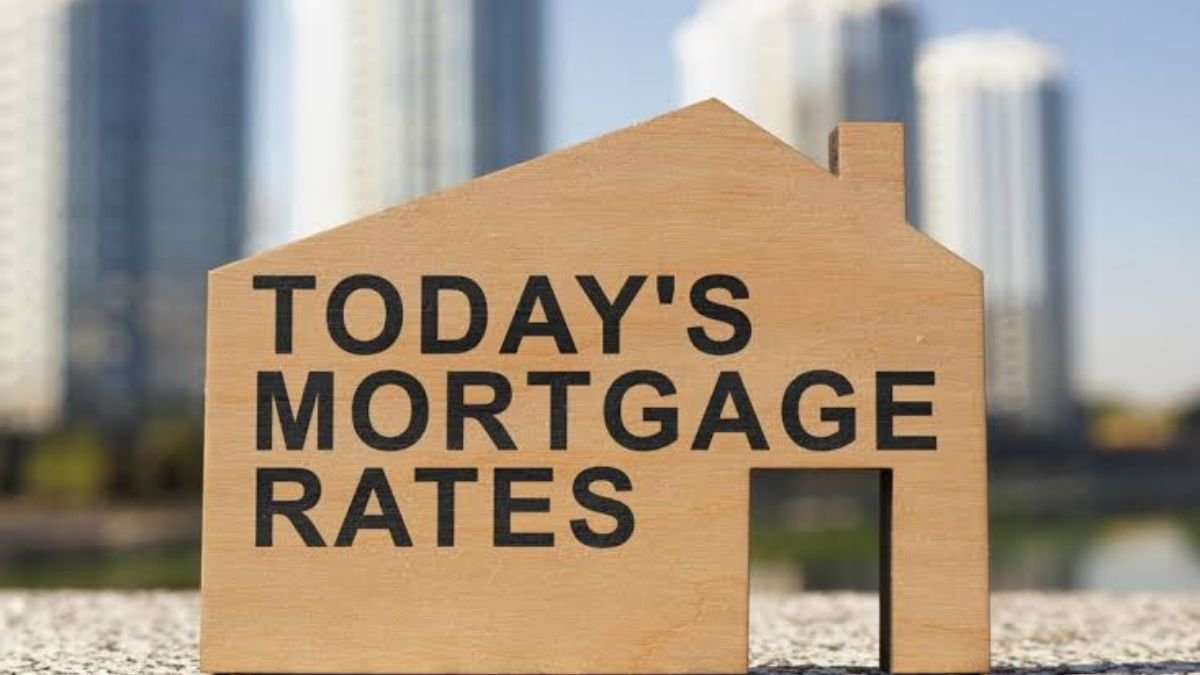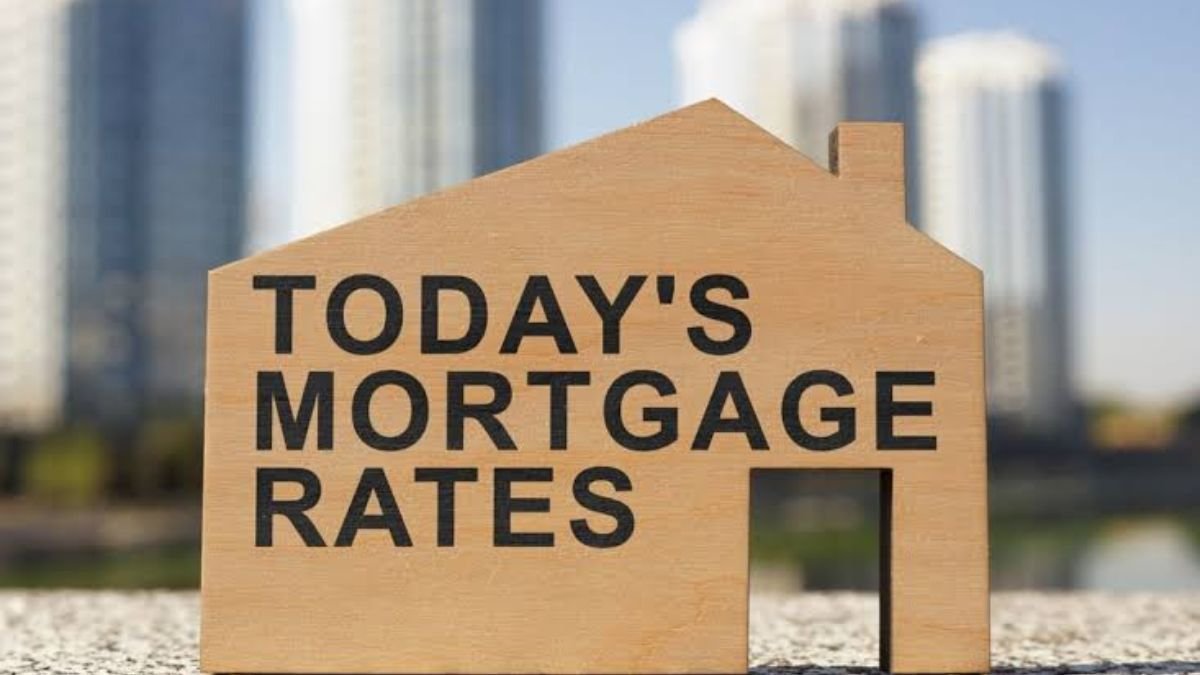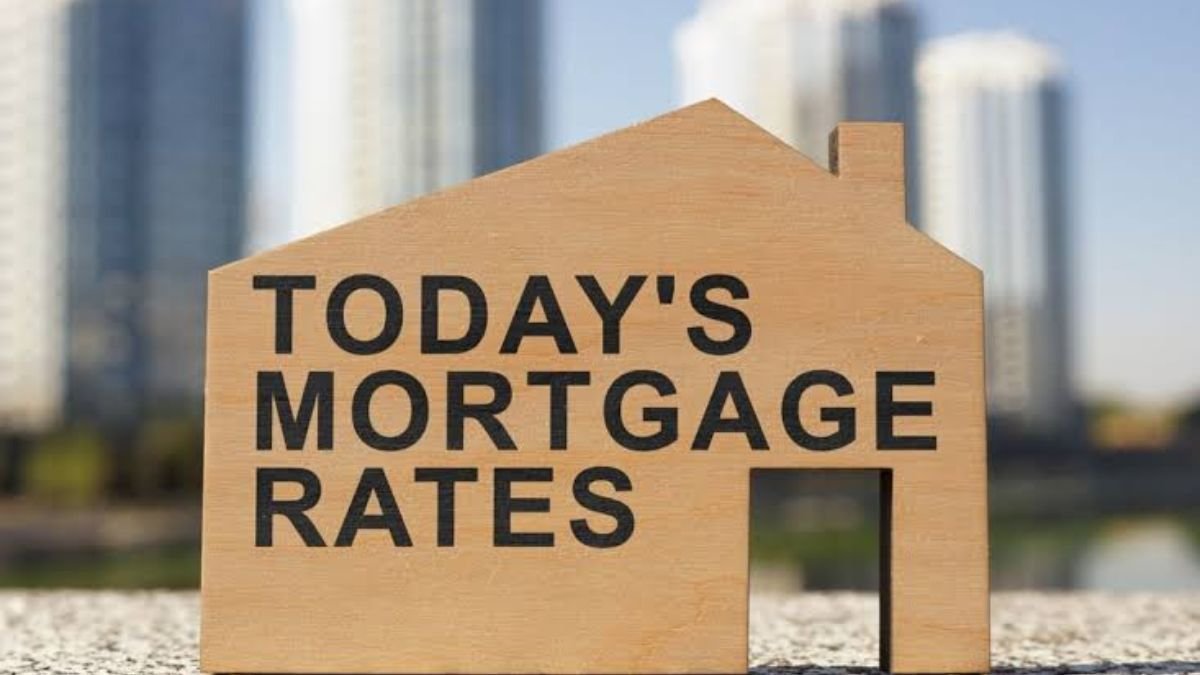
According to the Zillow lender marketplace, mortgage rates are higher across the board today.
The average 30-year fixed rate today, Wednesday, September 30, 2026, is 7.36%, up 12 basis points since yesterday. The 15-year fixed loan is currently 6.78%, 15 basis points higher than yesterday. The 5/1 ARM is 6.78%, up 7 basis points from Tuesday.
Today’s mortgage rates
Here are the current mortgage rates for Wednesday, September 30, 2026, according to the latest Zillow data:
- 30-year fixed: 7.36%
- 20-year fixed: 7.36%
- 15-year fixed: 6.78%
- 5/1 ARM: 6.78%
- 7/1 ARM: 6.66%
- 30-year VA: 6.88%
- 15-year VA: 6.33%
- 5/1 VA: 6.05%
Remember, these are the national averages and rounded to the nearest hundredth.
Today’s mortgage refinance rates
These are today’s mortgage refinance rates for Wednesday, September 30, 2026, according to the latest Zillow data:
- 30-year fixed: 7.36%
- 20-year fixed: 7.42%
- 15-year fixed: 6.81%
- 5/1 ARM: 7.03%
- 7/1 ARM: 6.74%
- 30-year VA: 6.95%
- 15-year VA: 6.68%
- 5/1 VA: 6.02%
Again, the numbers provided are national averages rounded to the nearest hundredth. Mortgage refinance rates are often higher than rates when you buy a house, although that’s not always the case.
Use our mortgage calculator
Use the mortgage calculator below to see how various interest rates and loan amounts will affect your monthly payments. It also shows how the term length plays into things.
Monthly Mortgage Payment Calculator
You can bookmark the tax assistant mortgage payment calculator and keep it handy for future use, as you shop for homes and the best lenders. You even have the option to enter costs for private mortgage insurance (PMI) and homeowners' association dues if those apply to you. These details result in a more accurate monthly payment estimate than if you simply calculated your mortgage principal and interest.
30-year fixed mortgage rates
There are two main advantages to a 30-year fixed mortgage: Your payments are lower, and your monthly payments are predictable.
A 30-year fixed-rate mortgage has relatively low monthly payments because you're spreading your repayment out over a longer period of time than with, say, a 15-year mortgage. Your payments are predictable because, unlike with an adjustable-rate mortgage (ARM), your rate isn't going to change from year to year. Most years, the only things that might affect your monthly payment are any changes to your homeowners insurance or property taxes.
The main disadvantage of 30-year fixed mortgage rates is the mortgage interest, both in the short and long term.
A 30-year fixed-term loan comes with a higher interest rate than a shorter-term fixed-rate loan. You'll also pay much more in interest over the life of your loan due to both the higher rate and the longer term.
15-year fixed mortgage rates
The pros and cons of 15-year fixed mortgage rates are essentially the same as those of 30-year rates. Yes, your monthly payments will remain predictable, and another advantage is that shorter terms come with lower interest rates. Not to mention, you'll pay off your mortgage 15 years sooner. So you could save hundreds of thousands of dollars in interest over the life of your loan.
However, because you're paying off the same amount in half the time, your monthly payments will be higher than if you choose a 30-year term.
Adjustable mortgage rates
Adjustable-rate mortgages lock in your rate for a predetermined period, then adjust it periodically. For example, with a 5/1 ARM, your rate stays the same for the first five years and then goes up or down once per year for the remaining 25 years.
The main advantage is that the introductory rate is usually lower than what you'll get with a 30-year fixed rate, so your monthly payments will be lower. Talk to your lender before deciding between a fixed or adjustable rate.
With an ARM, you have no idea what mortgage rates will be like once the intro-rate period ends, so you risk your rate increasing later. This could ultimately end up costing more, and your monthly payments are unpredictable from year to year.
But if you plan to move before the intro-rate period is over, you could reap the benefits of a low rate without risking a rate increase down the road.
Refinance rates are frequently higher because lenders view refinancing—particularly cash-out refinancing—as carrying slightly higher risk compared to a primary purchase loan. Additionally, purchase loans are tied directly to closing real estate sales, so lenders often price purchase rates more competitively to attract buyers.
A basic calculation covers principal and interest, but a complete monthly housing payment (often called PITI) should also factor in:
Property Taxes: Local taxes split into monthly installments.
Homeowners Insurance: Required by lenders to protect the home.
Private Mortgage Insurance (PMI): Required if your down payment is under 20%.
HOA Dues: Monthly fees if your property belongs to a homeowners association.
30-Year Fixed: Spreads payments over a longer timeline, yielding lower, more affordable monthly payments, but results in paying significantly higher total interest over the life of the loan.
15-Year Fixed: Features lower interest rates (e.g., 6.78% vs. 7.36%) and allows you to build home equity twice as fast, but requires higher monthly payments because the principal is paid off in half the time.
A 5/1 ARM offers a fixed introductory interest rate for the first 5 years, which is usually lower than standard 30-year fixed rates. After 5 years, the rate adjusts once annually based on market benchmarks. It can be an effective choice if you plan to move or refinance before the 5-year intro period expires, though you risk higher payments if rates rise later.

Suresh holds a Master of Commerce (M.Com) degree and is a dedicated personal finance researcher and writer. Combining his advanced academic background in commerce with deep industry research, he covers complex topics like taxation, banking systems, credit analysis, and personal finance strategies. As the founder of Tax Assistant (taxassistant.org), Suresh is committed to translating complicated financial guidelines and economic data into simple, accurate, and actionable educational resources for everyday readers.