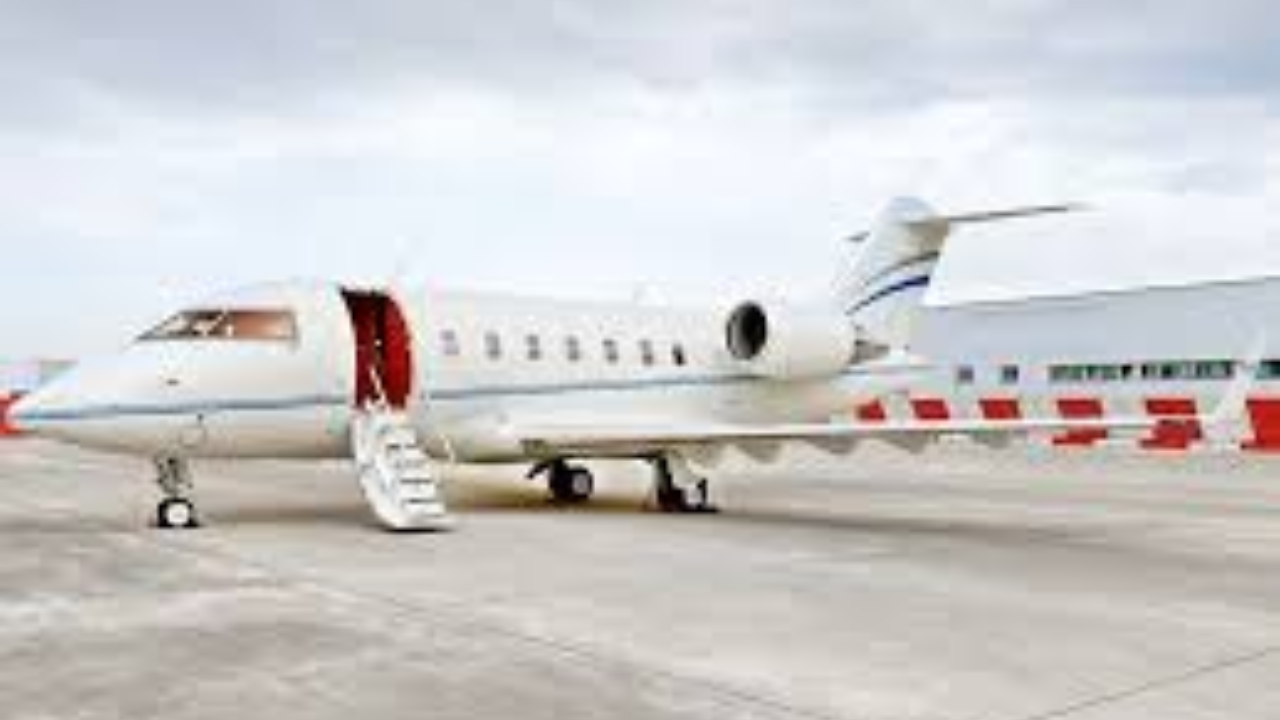
The recent saga involving Ontario Premier Doug Ford’s brief $28.9 million ownership of a private jet has reignited the conversation on how provincial leaders get around. While Ford eventually grounded the “gravy plane” due to public backlash, here is how the rest of Canada’s premiers typically take to the skies.
Thank you for reading this post, don't forget to subscribe!Executive Summary: Commercial vs. Charter
Most premiers avoid the optics of a government-owned “executive jet.” Instead, the standard remains:
- Commercial (Economy): The default for long-haul and inter-provincial travel.
- Charter Flights: Reserved for reaching remote northern communities or for urgent, multi-stop schedules where commercial routes don’t exist.
The Travel Log
| Region | Travel Protocol | Key Context |
| Ontario | Commercial (Now) | After a 2016 Bombardier Challenger 650 purchase sparked outrage, the province sold the jet back to Bombardier in April 2026. |
| Western Canada | Commercial & Remote Charter | Premiers in Alberta, Manitoba, and Saskatchewan stick to commercial airlines for major hubs. Charters are used almost exclusively for “fly-in” northern visits. |
| Quebec | Charter Only | The province owns three jets, but they are dedicated MedEvac units. Premier Legault uses chartered private services for official business. |
| Atlantic Canada | Strict Commercial | In provinces like P.E.I. and New Brunswick, travel is almost 100% commercial economy. Chartering is a rare exception, usually coordinated with federal events. |
Why the Backlash in Ontario?
The criticism of Ford’s purchase wasn’t just about the price tag, but the utility.
- Runway Restrictions: Critics pointed out the Challenger 650 can only land at about 10% of Ontario’s airports, undermining the argument that it was needed for remote northern access.
- The Cost: The $28.9 million price tag became a symbol for government overspend during a period of fiscal tightening.
The Bottom Line

"Suresh Kumar Saini is an experienced Tax Assistant and finance writer. He specializes in US & Canada Tax Guide, Indian Income Tax laws, GST compliance, and personal finance, helping freelancers and remote workers optimize their taxes."