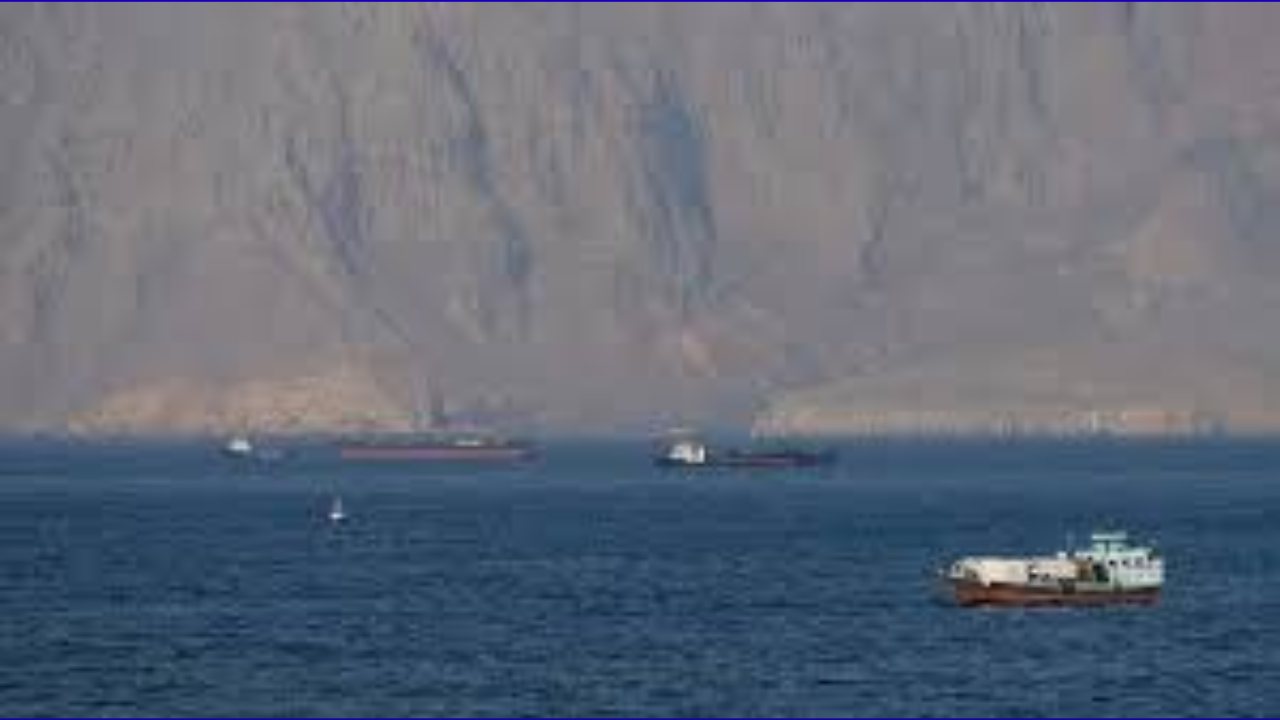
Tensions have reached a fever pitch in the Middle East today, April 22, 2026. Despite a diplomatic push to keep the peace, Iranian naval forces have seized two commercial ships, directly challenging the fragile ceasefire extension announced by Washington.
Key Events: Escalation at Sea
- The Seizures: The MSC Francesca and the Epaminondas were boarded and diverted into Iranian waters.
- Active Fire: Reports indicate an IRGC gunboat opened fire on the MSC Francesca, resulting in significant damage to the ship’s bridge.
- Stranded Vessel: A third ship, the Euphoria, is reportedly disabled and stranded off the Iranian coast following a separate encounter.
The Diplomatic Context
These seizures come at a critical turning point in the conflict:
- The Truce Extension: Hours prior to the incident, President Trump announced an indefinite extension of the ceasefire, aimed at giving Iranian leadership more time to finalize a peace proposal in Islamabad.
- The Blockade Trigger: While airstrikes have paused, the U.S. naval blockade remains active. Tehran has called the blockade an “act of war,” asserting that negotiations cannot proceed while their ports are strangled.
- Retaliation: Many analysts view today’s actions as a direct “tit-for-tat” response to the recent U.S. seizure of the Iranian vessel Touska.
Global Consequences
The maritime corridor—responsible for a fifth of the world’s oil supply—is effectively a combat zone. Brent crude prices have surged toward $100 per barrel as markets react to the risk of a wider naval war. While the “aerial truce” still holds for now, the conflict has clearly shifted to a dangerous new front on the water.

Suresh holds a Master of Commerce (M.Com) degree and is a dedicated personal finance researcher and writer. Combining his advanced academic background in commerce with deep industry research, he covers complex topics like taxation, banking systems, credit analysis, and personal finance strategies. As the founder of Tax Assistant (taxassistant.org), Suresh is committed to translating complicated financial guidelines and economic data into simple, accurate, and actionable educational resources for everyday readers.