Recent headlines have put provincial travel under a microscope, especially following a high-profile U-turn in Ontario. Here is the breakdown of who is flying private and why it’s causing such a stir.
Thank you for reading this post, don't forget to subscribe!The Ontario “Gravy Plane” Saga
- The Intent: Officials claimed the jet was a logistical necessity for visiting northern communities and handling urgent trade missions to the U.S.
- The Fallout: Critics labeled the purchase the “gravy plane,” framing it as a symbol of excess during a period of high inflation.
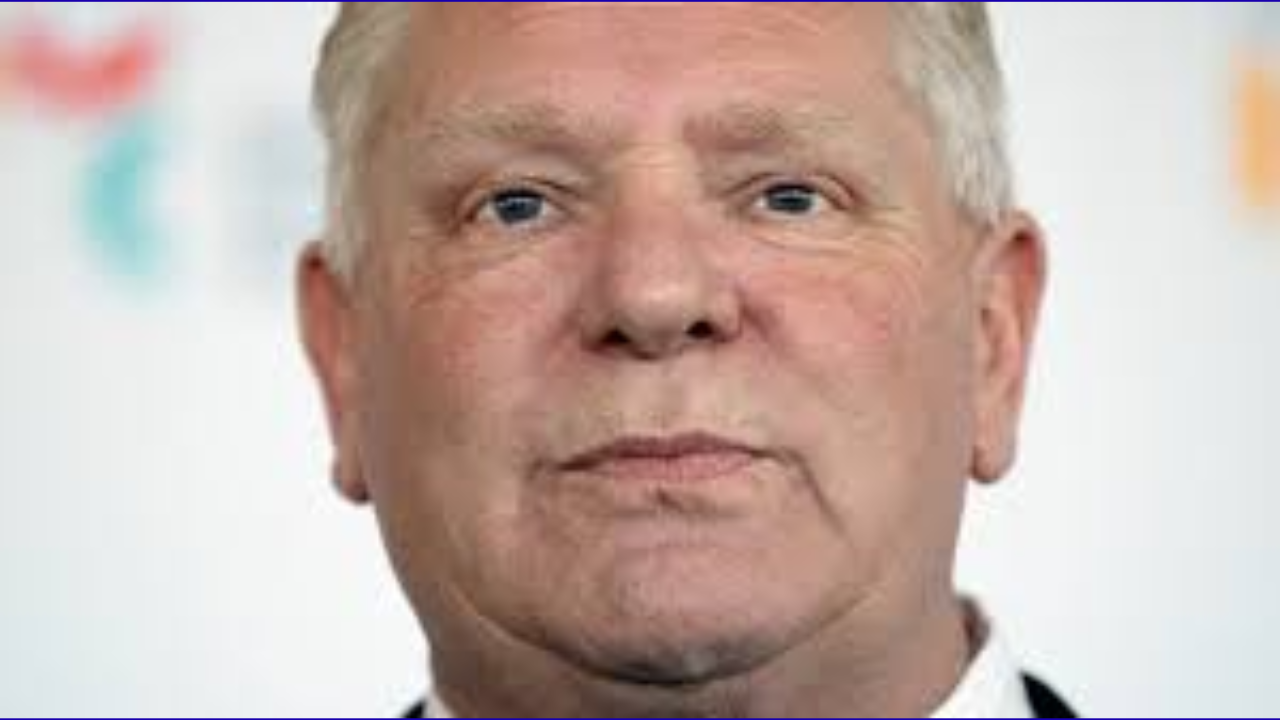
- The Outcome: Within 48 hours of the announcement, Ford scrapped the plan. Admitting the move was a mistake, he confirmed the jet would be sold immediately to “respect the taxpayers.”
Quebec: A Different Kind of Fleet
- Medical Priority: Quebec’s fleet is primarily dedicated to air ambulance services, providing critical medical transport for people in remote regions.
- Premier Travel: While Premier François Legault does use chartered flights for business, he does not have a luxury jet reserved exclusively for his personal travel.
The “Charter” Standard
For most other premiers, travel isn’t about luxury—it’s about geography.
- Remote Access: In provinces like Saskatchewan, Manitoba, and Newfoundland & Labrador, private charters are often the only way to reach northern settlements where commercial flights don’t exist.
- Shared Assets: Provinces like Alberta often use government-owned turboprops. These aren’t “VIP jets” but workhorses shared across departments like Environment and Justice.
The Verdict: While private charters remain a functional tool for reaching Canada’s vast corners, the purchase of a dedicated executive jet remains a “political third rail.” As Ontario’s quick reversal shows, the public has little appetite for luxury travel in the current economic climate.

"Suresh Kumar Saini is an experienced Tax Assistant and finance writer. He specializes in US & Canada Tax Guide, Indian Income Tax laws, GST compliance, and personal finance, helping freelancers and remote workers optimize their taxes."