The “Forces of Scarcity” currently tightening their grip on Asia are no longer a localized concern. In early 2026, we are witnessing the precursor to a global economic shift. What begins as a power outage in an industrial hub in the East quickly transforms into an empty shelf or a price hike in the West.
Thank you for reading this post, don't forget to subscribe!Here is how the scarcity crisis is migrating from regional friction to a global reality.
The Energy Bottleneck
- The Squeeze: As energy costs rise in Asia, the cost of manufacturing—everything from semiconductors to steel—skyrockets.
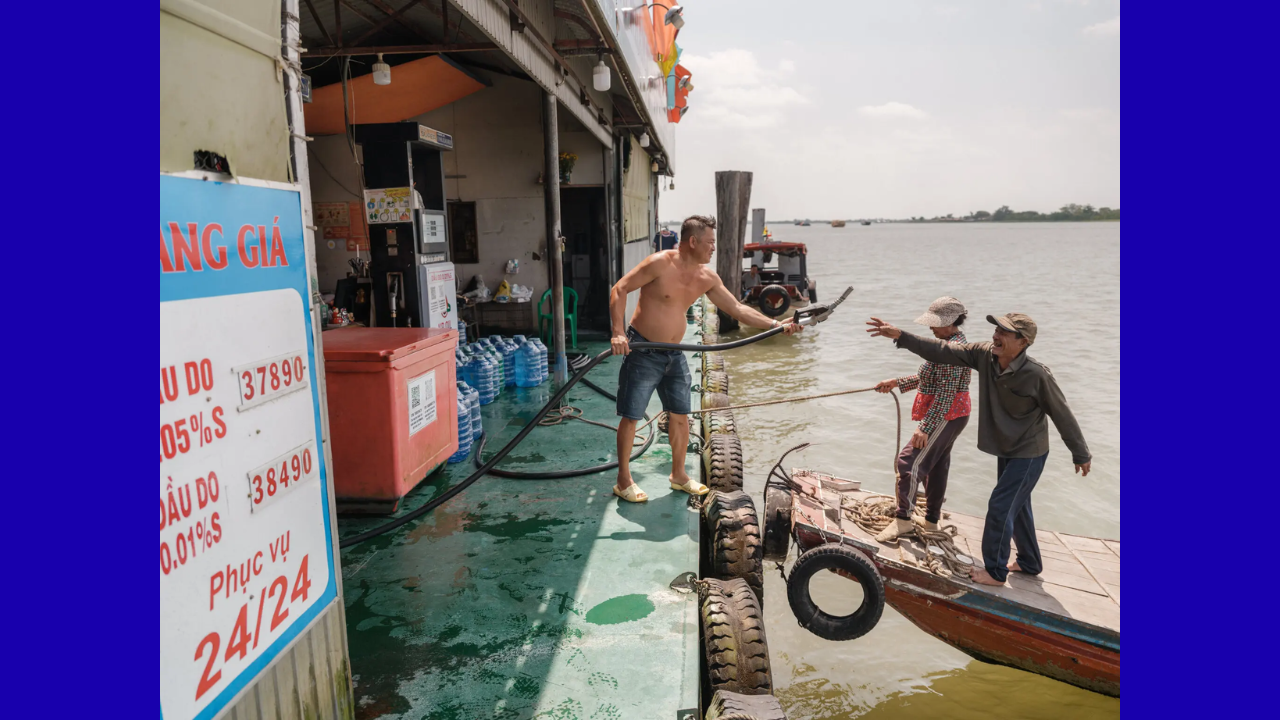
- The Global Impact: This isn’t just about high gas prices; it’s about “Exported Inflation.” When it costs more to power a factory in Vietnam, the consumer in London or New York pays the difference.
The Fertilizer-Food Connection
Scarcity is moving from the factory to the farm. High energy prices have made synthetic fertilizers prohibitively expensive for many Asian farmers.
- Crop Yields: Reduced fertilizer use in major rice and grain-producing nations is leading to lower yields.
- The Crisis: The World Food Programme (WFP) estimates that acute hunger could affect 363 million people globally by mid-2026. Asia’s agricultural struggle is the first domino in a global food security challenge.
The End of “Just-in-Time”
The era of cheap, seamless logistics is being replaced by a fragmented, “Just-in-Case” model.
| Feature | Old Model (Efficiency) | New Model (Resiliency) |
| Strategy | Just-in-Time delivery | “China Plus One” diversification |
| Inventory | Low overhead, high speed | Stockpiling and tactical hoarding |
| Cost | Deflationary (Cheaper goods) | Inflationary (Higher stability costs) |
The Shift: From Availability to Affordability
We are entering a new phase of global economics. The primary threat is no longer that products will disappear entirely, but that the cost of entry—for energy, food, and basic goods—will outpace wage growth.
“The shelves aren’t going to be bare—it’s just that people won’t be able to pay for the things on the shelves.” — Moctar Aboubacar, WFP
As institutional investors pivot toward “scarcity hedges” like gold and hard commodities, the message is clear: the friction felt in Asia today is the blueprint for the global economy of tomorrow.
As these supply chains continue to fragment, do you see your local industry shifting toward self-reliance, or is the reliance on global imports still too deep to break?

"Suresh Kumar Saini is an experienced Tax Assistant and finance writer. He specializes in US & Canada Tax Guide, Indian Income Tax laws, GST compliance, and personal finance, helping freelancers and remote workers optimize their taxes."