Saving $5,000 in 6 months is an ambitious goal, but breaking it down into smaller, actionable milestones makes it entirely doable.
The Breakdown: What It Takes
To reach $5,000 in 26 weeks, here is your target saving rate:
- Daily: ~$28 / day
- Weekly: ~$192 / week
- Bi-Weekly (Per Paycheck): ~$385 / paycheck
- Monthly: ~$834 / month
Is This Goal Realistic for You?
Ask yourself these quick questions:
- Can you comfortably cover basic monthly necessities like rent and groceries?
- Are you paying more than the minimum payments on your debt?
- Do you have extra income spent on non-essentials (dining out, entertainment, travel)?
- Can you cut back on variable expenses or increase your income through overtime or side work?
Rule of Thumb: If you answered “Yes” to at least two of these questions, you are in a solid position to hit this target. If not, start with a smaller amount and scale up as your budget allows.
4 Steps to Reach Your Goal
1: Automate Your Savings
Treat your savings goal like a non-negotiable monthly bill.
- Set up an automatic deposit to transfer $385 from every bi-weekly paycheck straight into savings before you have a chance to spend it.
2: Cut High-Impact Expenses First
Cutting out lattes helps, but tackling major expenses frees up hundreds of dollars faster:
- Housing: Consider taking on a temporary roommate or negotiating lease terms.
- Transportation: Bike, walk, or use public transit when possible to lower fuel, insurance, and maintenance costs.
3: Slash Variable Expenses
Find quick ways to free up $50 to $200 each month:
- Meal plan & batch cook using ingredients already in your pantry.
- Negotiate lower rates on internet, phone, and utility bills.
- Host potlucks or game nights instead of spending money at restaurants or events.
- Run a No-Spend Challenge for one week every month (spending only on essential needs).
4: Increase Your Income
Squeezing a budget only goes so far. Boost your cash flow by:
- Working extra hours or picking up overtime shifts.
- Freelancing, taking odd jobs, or starting a side gig.
- Selling unused items, electronics, or fitness equipment.
- Funneling all financial windfalls (tax refunds, work bonuses, cash gifts) directly into savings.
Where to Store Your Savings
Where you keep your money matters just as much as how much you save:
| Account Type | Best For | Key Advantage |
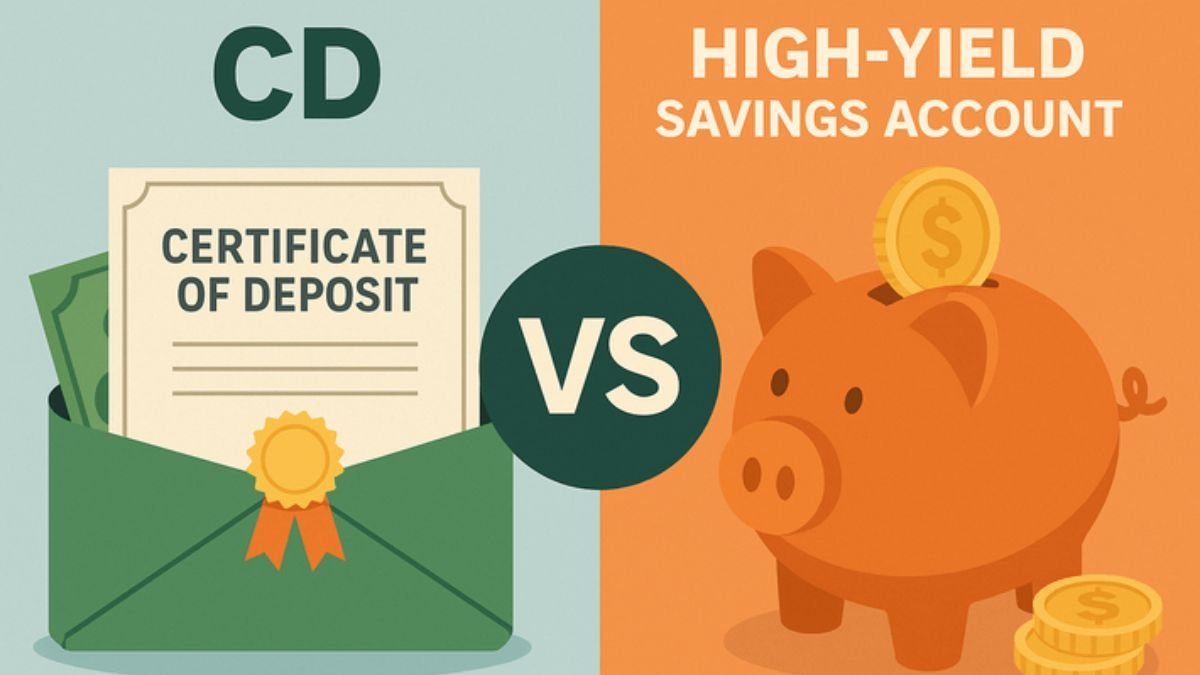
| High-Yield Savings Account (HYSA) | Short-term goals & emergency funds | Earns competitive interest (~4%+ APY) with quick, penalty-free access. |
| Certificate of Deposit (CD) / T-Bills | Money locked away for 3+ months | Offers guaranteed returns and keeps money out of reach from impulse spending. |
It depends heavily on your net income and fixed expenses. To hit $5,000 in six months, you need to set aside about $834 per month (or $192 per week). If your current earnings allow you to cover essential bills with leftover discretionary income, or if you can increase your earnings through side gigs or overtime, it is completely achievable. If $834 a month is out of reach, start with a smaller target and scale up as you trim costs or boost income.
Your required savings contribution depends on how frequently you get paid:
Weekly paychecks: ~$192 per paycheck
Bi-weekly paychecks (every 2 weeks): ~$385 per paycheck
Semi-monthly paychecks (twice a month): ~$417 per paycheck
Monthly paychecks: ~$834 per paycheck
Focusing on major expenses yields faster results with less effort. While trimming variable costs like dining out helps, downsizing housing, renting out extra space, or cutting down car-related expenses (insurance, gas, maintenance) can free up hundreds of dollars per month in a single move.
For a short-term goal like 6 months, a High-Yield Savings Account (HYSA) is usually the best choice. HYSAs offer competitive interest rates while keeping your money liquid and safe without early withdrawal penalties. Avoid putting emergency or short-term funds into retirement accounts (like 401(k)s or IRAs) due to steep early withdrawal penalties.
Deposit any windfalls: Put unexpected income like tax refunds, work bonuses, or cash gifts directly toward your savings goal.
Run a No-Spend Challenge: Spend money only on absolute necessities for 1–2 weeks to regain momentum.
Sell unused items: Offload electronics, clothes, or furniture online for a quick cash injection.

Manoj Sharma is a Senior Writer on the banking team at Tax Assistant. He provides information on budgeting, bank accounts, the banking industry, and other related topics. Using original data and methodologies, he helps you identify the best financial institutions, accounts, and products tailored to your needs. Manoj holds a degree in Journalism and Political Science from Syracuse University. All articles are strictly reviewed and fact-checked by our panel of expert Chartered Accountants, including CA Devendra Saini, CA Nikhil Khunteta, and CA Ankit Goyal