If you are feeling the pinch at the grocery store, gas pump, or when paying rent, you are far from alone. Recent economic shifts—driven by rising energy costs tied to global conflicts—have triggered a sharp rise in inflation.
While wages were briefly outpacing inflation earlier, the tables have turned. In May, average hourly earnings rose by 3.4%, but consumer prices jumped by 4.2%. This gap creates negative real wage growth—meaning even if your paycheck looks bigger on paper, your actual purchasing power is shrinking.
While you can’t control global markets, you can control your financial playbook. Here are five aggressive strategies to stretch your dollars further.
1. Upgrade Your Savings Strategy
Leaving cash in a traditional savings account means inflation is actively eroding your wealth. Put your money to work where it can fight back:
- High-Yield Savings Accounts (HYSAs): Top HYSAs offer up to 4% APY. Moving $10,000 from a traditional bank to an HYSA can net you an extra $400 a year for zero risk.
- Treasury Inflation-Protected Securities (TIPS) & Series I Bonds: Government-backed options specifically designed to scale alongside the Consumer Price Index (CPI), preserving your buying power.
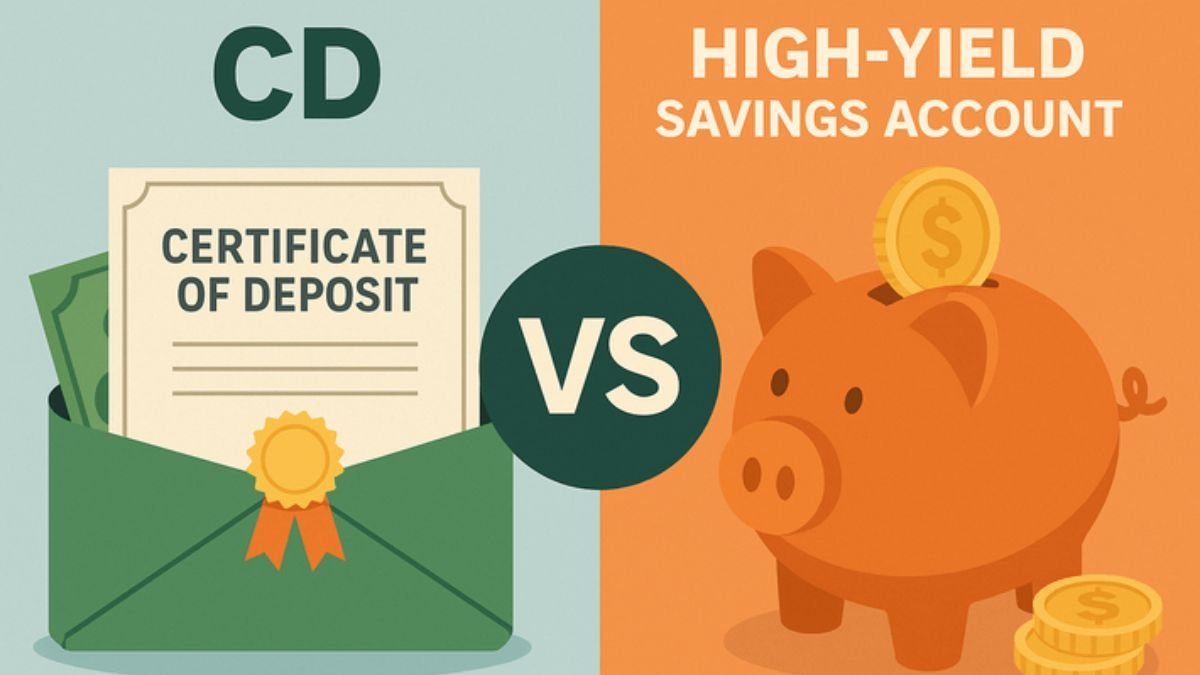
- Certificates of Deposit (CDs) & Money Market Accounts: Great options for locking in high interest rates, though CDs require you to leave your money untouched until maturity to avoid penalties.
2. Eliminate High-Interest Debt
Interest charges act like a leak in your budget. Prioritizing debt payoff instantly frees up monthly cash flow.
- The Avalanche Method: Target the debt with the highest interest rate first to save the most money.
- The Snowball Method: Pay off the smallest balances first to build psychological momentum.
- Consolidation: Consider refinancing or consolidating high-interest credit card debt into a lower-interest personal loan.
3. Negotiate a Cost-of-Living Raise
Increasing the money coming in is often more effective than cutting expenses. If you didn’t negotiate your salary when you were hired, you are likely being underpaid.
- Do your homework: Research market averages for your role and location.
- Build your case: Compile a specific list of your achievements, data-driven successes, and contributions to the company.
- Practice your pitch: Schedule a meeting to confidently discuss adjusting your compensation to match the market rate.
4. Launch a Side Hustle
If you have the time and energy, a secondary income stream can bridge the inflation gap.
- Skill-based gigs: Try freelance writing, editing, tutoring, consulting, or social media management.
- Flex-work: Look into rideshare driving, dog walking, or grocery delivery for immediate cash flow.
5. Consider a Career Pivot or Relocation
When minor adjustments aren’t enough, major structural changes can completely rewrite your financial situation.
- Change Industries: Move toward fast-growing sectors with higher upward mobility and better funding, such as healthcare, renewable energy, or the information sector.
- Geographic Arbitrage: If your job allows remote work, relocating from a high-cost-of-living city to a more affordable area can instantly reduce your major expenses (housing, utilities, and groceries) by thousands of dollars a year.
The Bottom Line: When consumer prices rise faster than wages, doing nothing is equivalent to accepting a pay cut. By actively optimizing your savings, erasing debt, and leveraging your career, you can reclaim your purchasing power.
Editing by-katie willimase

Suresh holds a Master of Commerce (M.Com) degree and is a dedicated personal finance researcher and writer. Combining his advanced academic background in commerce with deep industry research, he covers complex topics like taxation, banking systems, credit analysis, and personal finance strategies. As the founder of Tax Assistant (taxassistant.org), Suresh is committed to translating complicated financial guidelines and economic data into simple, accurate, and actionable educational resources for everyday readers.