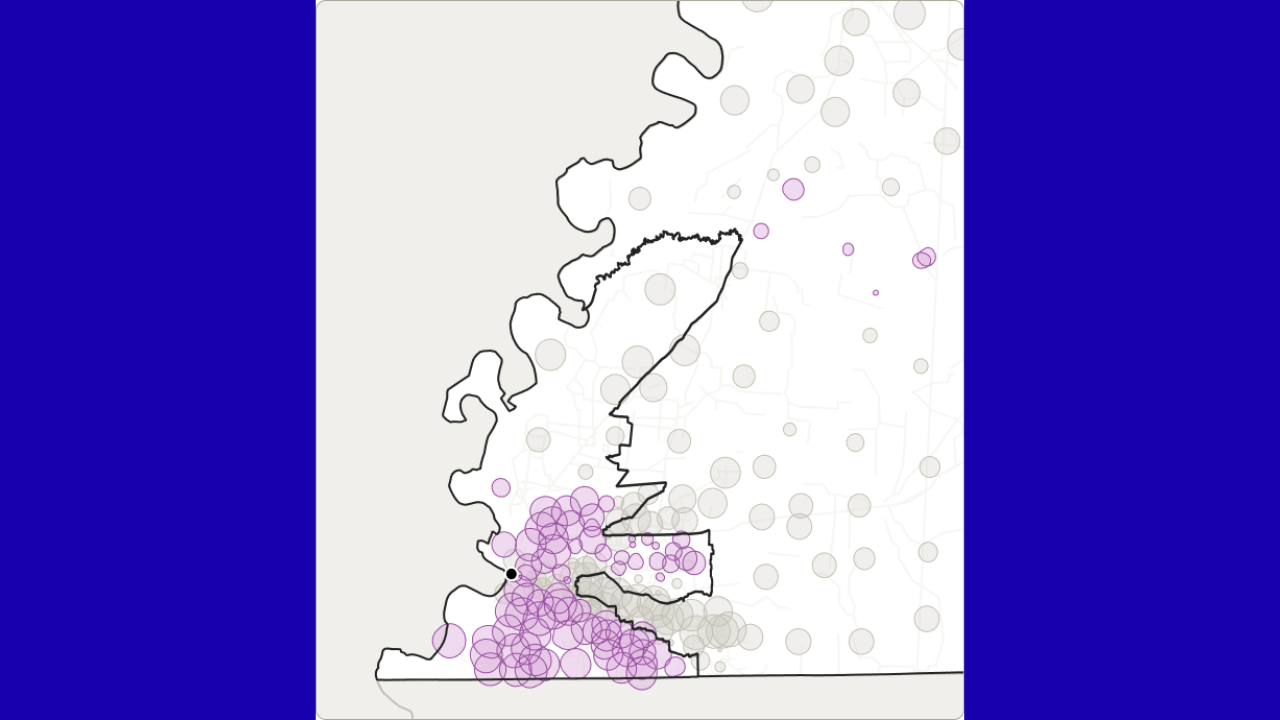
In a lightning-fast legislative session that has sent shockwaves through the South, Tennessee Republicans have officially dismantled the state’s only majority-Black congressional district. By splitting Memphis into three separate pieces, the G.O.P. has effectively silenced the strongest Democratic stronghold in the state.
The Strategy: “Cracking” the Vote
The process, often referred to by political scientists as “cracking,” involves taking a concentrated group of voters and spreading them across several districts to dilute their influence.
- The Old Map: Memphis sat at the heart of the 9th District, a reliably Democratic seat that ensured Black voters in Shelby County had a direct voice in Washington.
- The New Map: Memphis is now tethered to deep-red rural counties and wealthy GOP suburbs. This shift makes it nearly impossible for a candidate backed by the city’s urban core to win against the overwhelming Republican majority in the surrounding areas.
A Post-Voting Rights Act Era
This move was made possible by recent Supreme Court rulings that have rolled back federal oversight of state redistricting.
- Speed of Execution: Leveraging the new legal landscape, Tennessee lawmakers pushed the map through in just three days.
- The Goal: The G.O.P. is eyeing a “clean sweep” of Tennessee’s nine congressional seats in the upcoming 2026 Midterms.
The Human Cost
Beyond the math of the “red vs. blue” divide, the redistricting has sparked a moral outcry. Local leaders argue that the unique needs of Memphis—ranging from urban infrastructure to specific civil rights concerns—will now be ignored as their representatives will likely prioritize the interests of the larger, rural parts of the new districts.
“This isn’t just about party lines; it’s about the fundamental right of a community to see itself reflected in its government. They didn’t just redraw a line; they erased a community’s voice.”
What Happens Next?
With Governor Bill Lee expected to sign the bill into law, the battle now moves to the courts. Civil rights groups have already announced intent to sue, claiming the map is a textbook case of racial gerrymandering designed to disenfranchise Black voters. However, with a conservative-leaning judiciary, the path to overturning the map remains steep.

Suresh holds a Master of Commerce (M.Com) degree and is a dedicated personal finance researcher and writer. Combining his advanced academic background in commerce with deep industry research, he covers complex topics like taxation, banking systems, credit analysis, and personal finance strategies. As the founder of Tax Assistant (taxassistant.org), Suresh is committed to translating complicated financial guidelines and economic data into simple, accurate, and actionable educational resources for everyday readers.