For the second time in five years, Europe finds itself gripped by an energy crisis. Following the 2022 shock from the invasion of Ukraine, the current conflict in the Middle East—and the subsequent closure of the Strait of Hormuz—has sent natural gas prices soaring by 40%.
Thank you for reading this post, don't forget to subscribe!Faced with “the uncertainty of energy prices,” European consumers are no longer waiting for government intervention. Instead, they are pursuing “energy sovereignty” through a massive surge in home electrification.
The Surge by the Numbers
The demand for fossil-fuel alternatives has reached record highs across the continent:
- Electric Vehicles (EVs): Registrations jumped 40% in March, with over 344,000 new units on the road.
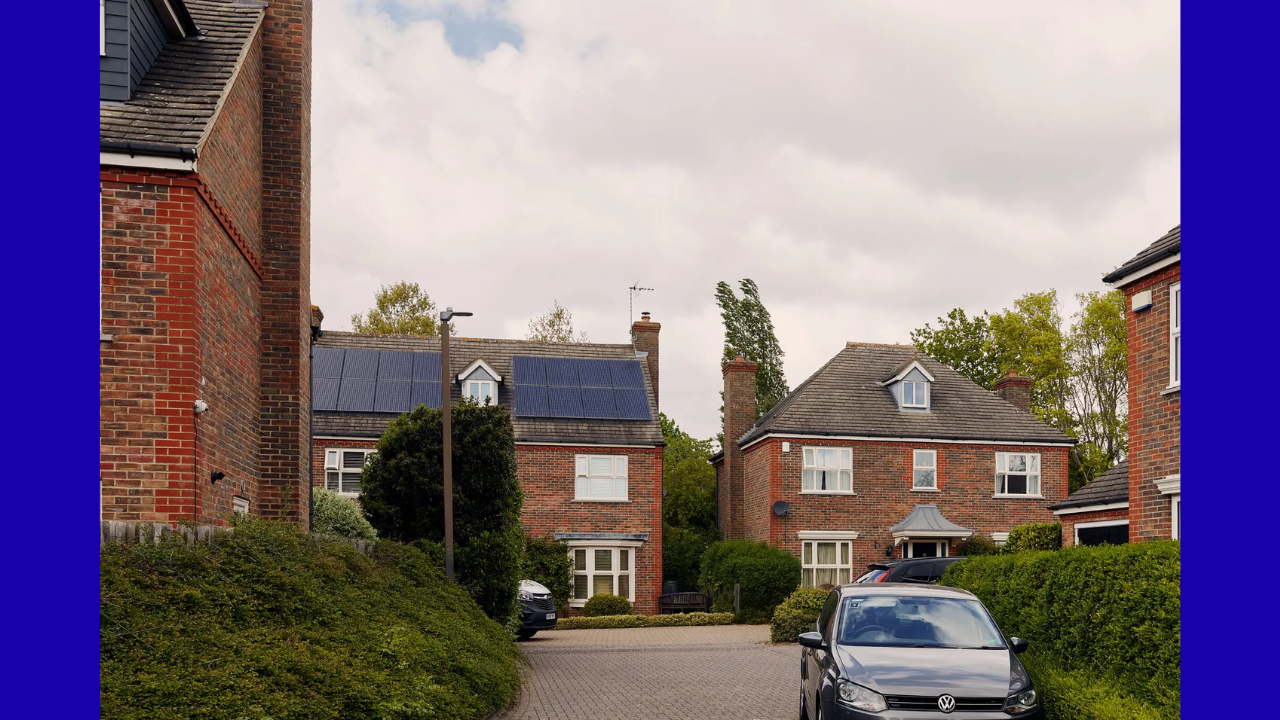
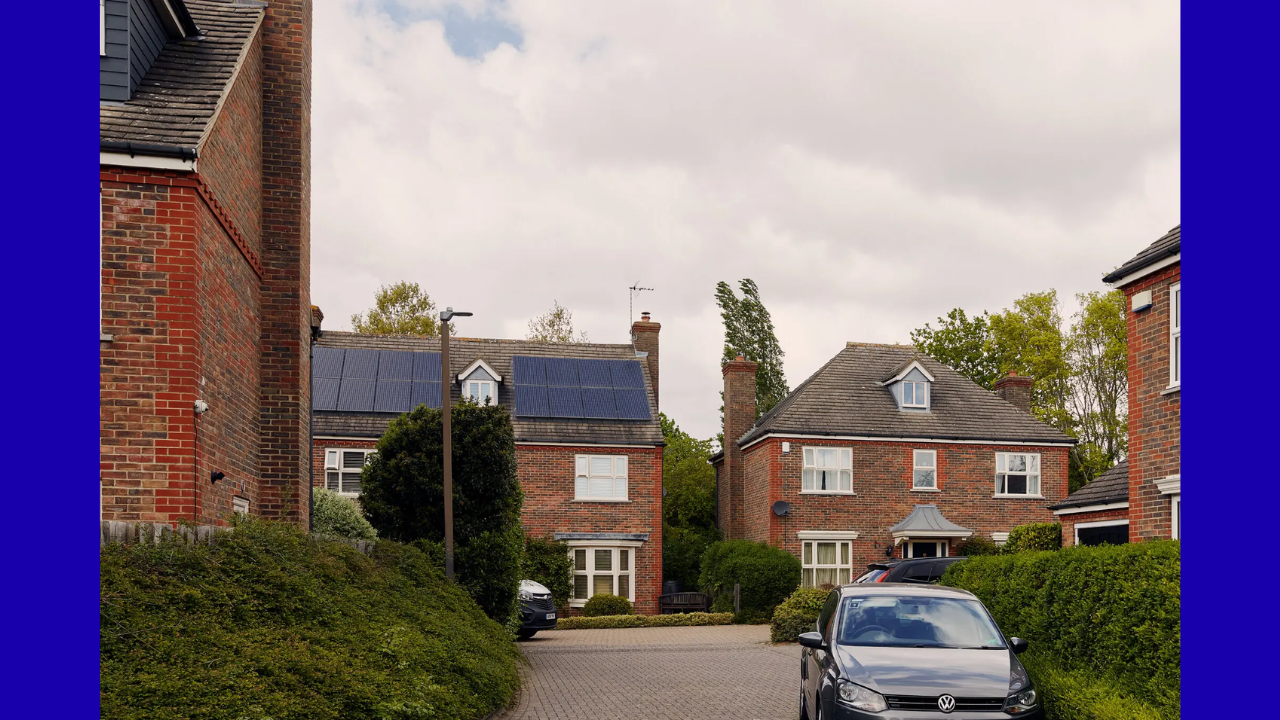
- Solar Power: Inquiries for residential systems have doubled in Germany, while the UK’s Octopus Energy reported a 50% increase in sales.
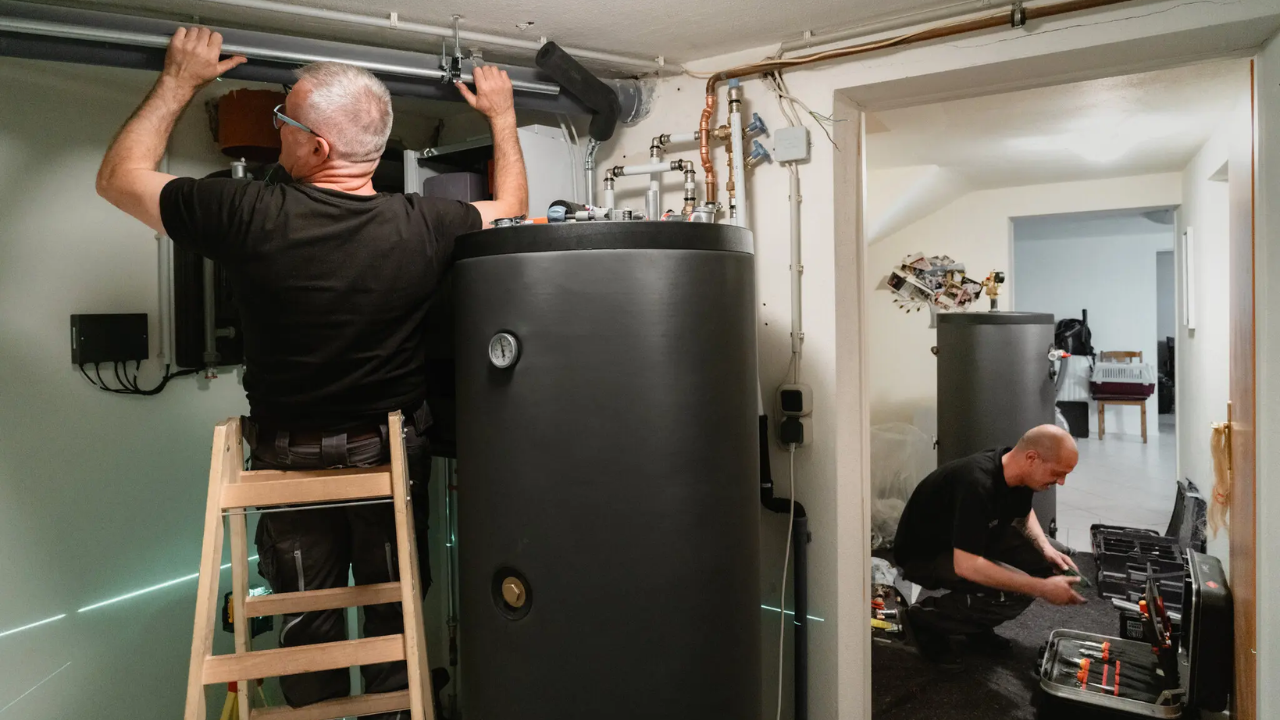
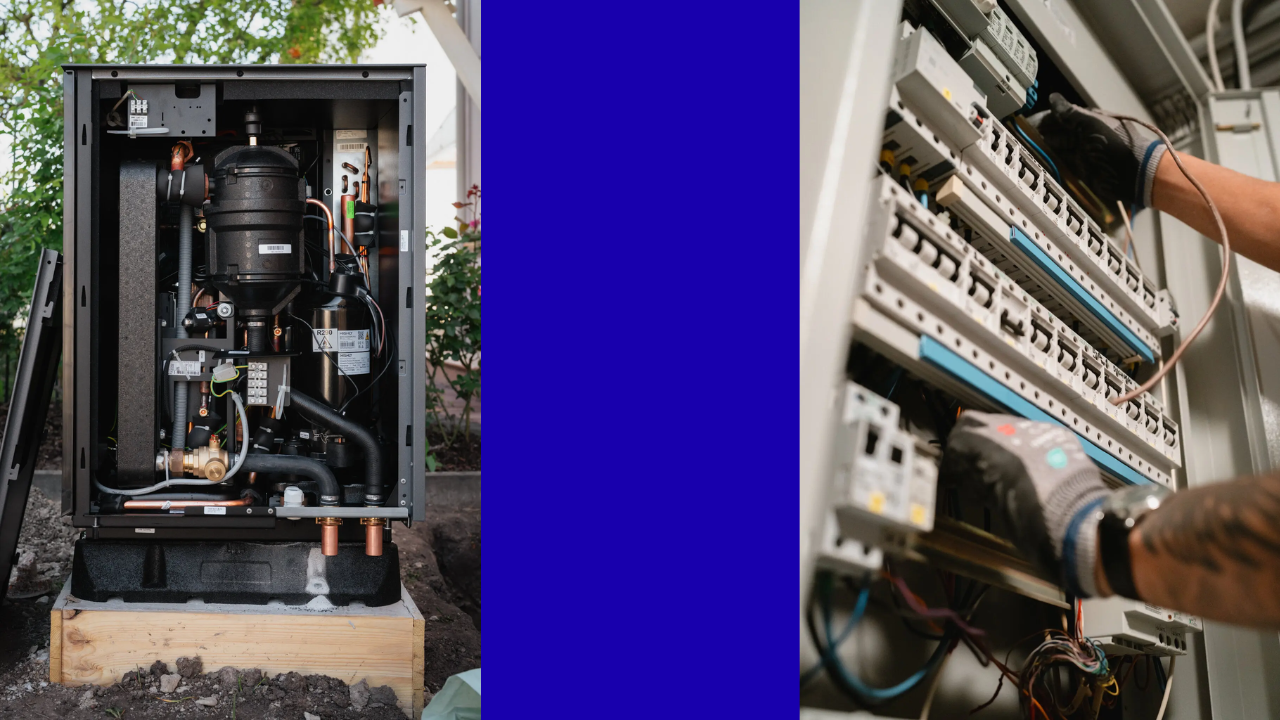
- Heat Pumps: Sales rose 17% across 11 major European nations in Q1, with Poland, France, and Germany leading the transition.
1. The “Shock-Awareness” Factor
Experts suggest that the current boom is driven by a realization of vulnerability. Analysts note that households now feel they are “one war away” from financial ruin. This has transformed green technology from an environmental choice into a strategic necessity for personal and national resilience.
2. Increased Affordability
The “green premium” is shrinking. Volkswagen recently introduced an EV model priced under €25,000, while the UK government is moving to allow the sale of “plug-in” balcony solar panels in supermarkets. These low-cost, easy-to-install options are making renewable energy accessible to renters and lower-income households.
3. Sovereignty Over Subsidy
While the 2022 crisis saw interest wane once gas prices stabilized, the 2026 mindset is different. Installers like Austria-based Heizma report that customers are now focused on long-term independence rather than just short-term savings.
The Challenges Ahead
Despite the momentum, several “bottlenecks” threaten to slow the transition:
- Bureaucracy: Regulatory hurdles and approval delays mean it can still take months to get solar panels or heat pumps fully operational.
- Policy Inconsistency: In countries like Austria, demand dropped briefly when specific subsidy funds were exhausted, highlighting the need for stable, long-term financial incentives.
- Broad vs. Targeted Aid: Think tanks like Bruegel argue that governments should stop subsidizing fossil fuel tax cuts and instead redirect those billions toward low-carbon infrastructure.
The Bottom Line
The lesson of “fool me once, shame on you; fool me twice, shame on me” has taken hold. As the cost of energy imports continues to drain billions from the EU economy, the shift toward electrification is increasingly seen as the only permanent solution to geopolitical energy blackmail.