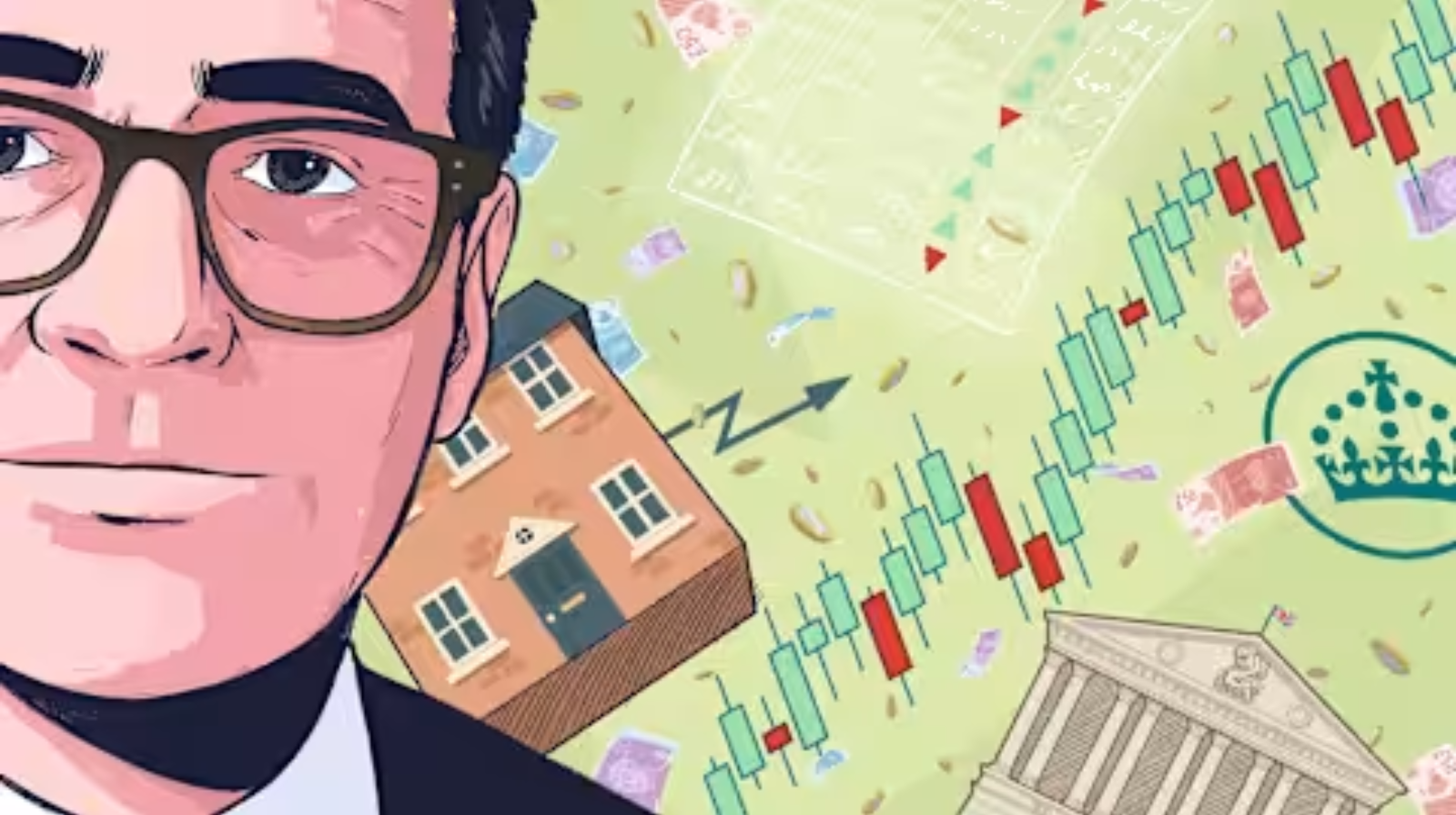
With Greater Manchester Mayor Andy Burnham currently fighting a high-stakes by-election in Makerfield, he has positioned his campaign as a direct challenge to Prime Minister Keir Starmer. Running on a platform to “change Labour” by making the basics of life more affordable, Burnham’s policy announcements outline a distinct economic vision.
Thank you for reading this post, don't forget to subscribe!If his expected return to Westminster triggers a successful leadership bid, here is how his platform could impact your pocketbook.
1. Personal & Business Taxes
Burnham is pitching an economic strategy aimed at shifting the tax burden away from everyday workers and struggling local high streets.
- Income Tax: He has proposed raising the personal allowance, giving low- and middle-income earners an immediate boost in take-home pay. He has also ruled out increasing baseline rates for income tax, VAT, or employee National Insurance Contributions (NICs).
- Small Business & Hospitality Relief: To revive local economies, Burnham wants targeted cuts to business rates specifically for pubs and independent, family-owned shops.
- Reversing Employer Tax Hikes: In a direct pivot from the Treasury’s current stance, he has expressed a desire to “reconsider” the recent increases to employers’ National Insurance contributions to ease the burden on small businesses.
2. Pensions: The WASPI Pivot
Burnham triggered significant market and political waves after declaring at a hustings event that the 3.6 million women affected by the state pension age changes “deserve some recompense.” However, following a harsh backlash over the potential £10.5 billion fiscal impact, his campaign quickly pivoted:
- No Direct Cash Payouts: Burnham’s team clarified that he accepts the current government’s decision against direct financial compensation.
- The “Greater Manchester” Travel Model: Instead, he is advocating for non-financial compensation. Modeled on his mayoral policies, this would offer affected women early access to concessionary travel schemes, providing discounted or free bus and train tickets within strict affordability limits.
3. Everyday Household Bills & Infrastructure
A core pillar of Burnham’s platform is tackling the cost-of-living crisis by enforcing tighter public control over essential services.
- The £2 Nationwide Bus Fare Cap: Drawing from his “Bee Network” in Manchester, Burnham has pledged to restore the £2 national bus fare cap across Britain, reversing the national government’s decision to raise it to £3.
- Student Loan Reform: Burnham has heavily criticized the student finance system, calling the compounding interest that leaves graduates with growing debt burdens “unbelievable,” signaling a push to restructure youth borrowing.
- Social Care Fund: To prevent families from having to liquidate personal assets to pay for elder care, he has previously championed replacing inheritance tax with a dedicated, collective “social care levy.”
The Market Reality Check
While Burnham has promised to adhere to the government’s self-imposed fiscal borrowing rules to reassure gilt investors, fund managers remain skeptical. Critics note that funding transport caps, offering business rate relief, and expanding state-subsidized benefits will require incredibly disciplined spending to avoid spooking the bond markets and triggering inflation.
Reed More…..https://www.ft.com/uk-economy
Editing by-katie willimas

Suresh Kumar Saini is a financial researcher specializing in US Personal Finance, Online Banking, and US Tax Guides, helping individuals navigate complex financial systems.