When your budget is tight, there’s only so much scrimping and saving you can do. But one often overlooked way to save more money is through workplace benefits.
From help with your 401(k) to stipends for commuting or working from home, there are several ways your employer can help you save. Here are some common benefits you may be overlooking.
How your employer can help you save money
Many employers provide benefits and perks designed to make employees’ lives easier — whether by helping them save money or more easily afford essentials such as healthcare, mental health counseling, and more. These offerings not only support employees in their personal lives, but they also contribute to a happier, healthier, and more productive work environment overall.
If you haven’t reviewed your workplace benefits in a while, you could be overlooking some money-saving opportunities. It can pay to find out if your employer offers any of the following valuable benefits.
1. Retirement contribution matching
A 401(k) match is an employer benefit designed to help you save more for retirement.
Here’s how it works: You decide how much of your paycheck you want to put into your 401(k). These contributions are usually a percentage of your salary — for example, 5%. Your employer then adds money to your 401(k) based on your contribution.
The exact match depends on your company’s policy. For example, they may offer a dollar-for-dollar match; if you contribute 5%, your employer also contributes 5%. In many cases, however, employers offer a partial match, such as a 50% match on the first 6% of your salary.
By taking advantage of an employer match, you can reach your retirement savings goals faster and ease some of the pressure of saving on your own.
Similarly, some employers also offer student loan payment matching programs, which allow borrowers to build retirement savings while continuing to pay down their student debt.
2. Tax-advantaged accounts for medical expenses
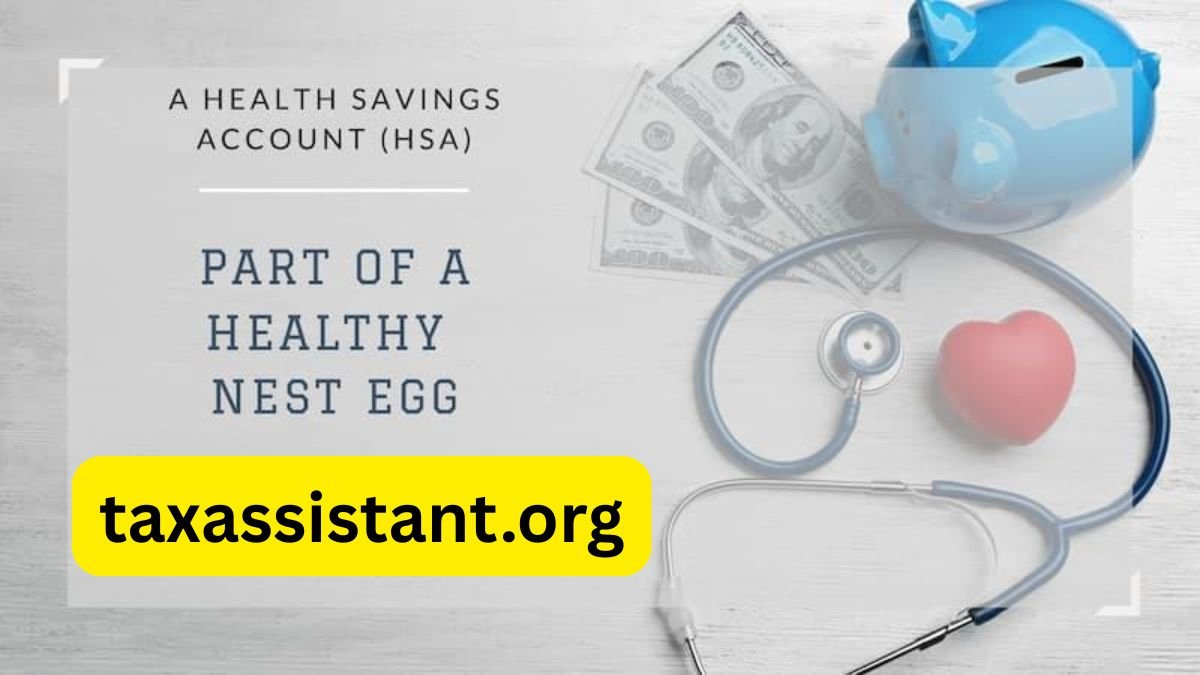
Depending on your health plan and benefits, you may qualify to open a health savings account (HSA) or flexible spending account (FSA). These are tax-advantaged accounts that allow you to save and pay for medical costs.
Contributions to HSAs and FSAs are tax-deductible, and withdrawals are also tax-free as long as you use the money for qualifying medical expenses. However, there are key differences between how these two types of accounts work and who is eligible to use them, so talk to your employer about your options.
3. Tuition reimbursement
Employees interested in going back to school can do so with the help of tuition reimbursement programs that cover an employee’s educational costs.
Reimbursement may be in a lump sum once you complete the course or spread out over time. Additionally, some employers might require you to earn a minimum grade to get reimbursed, such as a “B” or better. And note that many companies reimburse up to $5,250 per year (the maximum that’s tax-free under IRS rules). Anything above that may be considered taxable income.
4. Wellness programs
Some companies reward their employees for being proactive about their health. From gym and fitness memberships to free mental health counseling services, taking advantage of your company’s wellness benefits can help you save money on services that help you live healthier.
5. Company discounts
From retail to travel to entertainment, you could get discounts on a variety of purchases through your job. Employers either provide these discounts directly by negotiating special deals with vendors or through partnerships with third-party providers such as Perks at Work or Working Advantage.
So, before you book your next rental car or buy tickets to an amusement park, find out if exclusive discounts are offered through your employer.
6. Childcare support
The average parent is spending 20% or more of annual income on child care, and 31% are dipping into savings to cover the expense, according to Care.com. The good news is that some companies offer childcare stipends, referral services, and even on-site childcare programs to help you cut back on costs and save more.
7. Commuter benefits
Workers who commute to work each day may have workplace benefits that help them save on transportation costs, such as train tickets, subway passes, bus passes, and parking.
8. Work-from-home stipends
Just because you’re a hybrid or remote worker doesn’t mean you have to miss out on workplace savings. Look into your benefits to see if your company offers a stipend to cover your home office setup or some of your energy or phone bills.
9. In-office snacks and meals
Buying lunch five days a week can add up quickly, so taking advantage of free snacks, meals, and refreshments at work can help you trim your grocery bill and save some money on the days you’re in the office.
How to find money-saving perks at work
Not sure if your company offers any of these money-saving benefits? There are a few ways you can find out.
- Review your employee handbook or new hire packet: When you started your job, you may have received an informational packet or employee handbook detailing all your employee benefits and perks. Review your emails and downloads to check for these documents.
- Log into your benefits portal: Many companies offer benefits portals that allow you to review your workplace benefits, make changes if needed, and learn more about how to access those perks.
- Ask human resources: When in doubt, reach out to your HR representative. They’ll be able to answer any questions you have about the perks and benefits your company offers and how to access them.
A: When an employer matches your 401(k) contribution, they contribute extra dollars into your retirement account based on how much you save. For example, if your company offers a 100% match up to 5% of your salary, they match every dollar you contribute up to that limit. It is essentially free money because it increases your total compensation without reducing your take-home pay beyond your own contributions.
A: Both Health Savings Accounts (HSAs) and Flexible Spending Accounts (FSAs) allow you to pay for qualified medical expenses using pre-tax dollars. However, HSA funds roll over indefinitely year after year and require enrollment in a High-Deductible Health Plan (HDHP). FSA funds generally operate on a “use-it-or-lose-it” policy, meaning unspent money may be forfeited at the end of the plan year.
A: Under IRS rules, employers can provide up to $5,250 per year in tuition reimbursement tax-free. Any educational assistance provided beyond $5,250 in a single calendar year is typically counted as taxable income and subject to regular payroll taxes.
A: Commuter benefits allow you to use pre-tax income for transit passes, vanpools, or qualified parking, lowering your overall taxable income. WFH stipends directly reimburse or pay for out-of-pocket remote work expenses—such as home internet bills, phone plans, or office furniture—so you don’t have to cover job-related overhead out of pocket.
A: You can check your options by:
Reviewing your original employee handbook or new hire packet.
Logging into your company’s HR or benefits portal (such as ADP, Workday, or BambooHR).
Contacting your Human Resources (HR) department directly to request an updated summary of benefits and corporate discount partnerships.

Suresh holds a Master of Commerce (M.Com) degree and is a dedicated personal finance researcher and writer. Combining his advanced academic background in commerce with deep industry research, he covers complex topics like taxation, banking systems, credit analysis, and personal finance strategies. As the founder of Tax Assistant (taxassistant.org), Suresh is committed to translating complicated financial guidelines and economic data into simple, accurate, and actionable educational resources for everyday readers.