Opening a checking account is fairly simple, but choosing the right one takes a little homework. Not all checking accounts offer the same features and benefits. So, if you’re interested in opening a checking account, be sure you follow this guide to selecting the best account and managing it properly.
Choosing the right checking account
The financial institution you choose to open an account with should meet all of your needs — and so should your checking account. There are several key factors you’ll want to consider when choosing a new bank and checking account:
Federal insurance
First, ensure the bank you’re considering is insured by the Federal Deposit Insurance Corporation (FDIC) (or the National Credit Union Administration if it’s a credit union). The FDIC and NCUA are federal agencies that guarantee deposits at insured financial institutions up to $250,000, a crucial safeguard in case the bank or credit union fails. This situation is highly unlikely, but it’s important to be protected just in case.
Access to physical branches
If you prefer to do your banking in person, consider whether physical branches are easily accessible in your area. If you prefer online banking, this may not be as important to you.
ATM availability
Some financial institutions have more ATM locations than others. And some belong to national ATM networks, such as Allpoint. If you regularly use cash or make frequent deposits, access to fee-free ATMs is important.
Mobile app quality
If you prefer to bank on the go, be sure your bank or credit union has a mobile banking app you can use to track and manage your accounts. You’ll want an intuitive interface and robust features such as mobile check deposit, bill pay, and real-time alerts. You’ll also want to make sure the app is compatible with your devices.
Reputation
Before opening an account, research the financial institution on consumer review sites such as BBB.org and Trustpilot.com to learn about past banking customers’ experiences. You can also check the Consumer Financial Protection Bureau (CFPB) complaint database to see if there are recurrent issues that customers have dealt with.
Interest rate/APY
Checking accounts aren’t generally meant to be used in the same way as savings accounts; checking accounts are designed for managing daily transactions, while savings and other deposit accounts are intended to hold and grow money long-term.
That said, it can be an added perk to earn interest on your money while it sits in a checking account, especially if you tend to maintain a higher balance. (Check out our ranking of the best high-yield checking accounts available today.)
Low fees
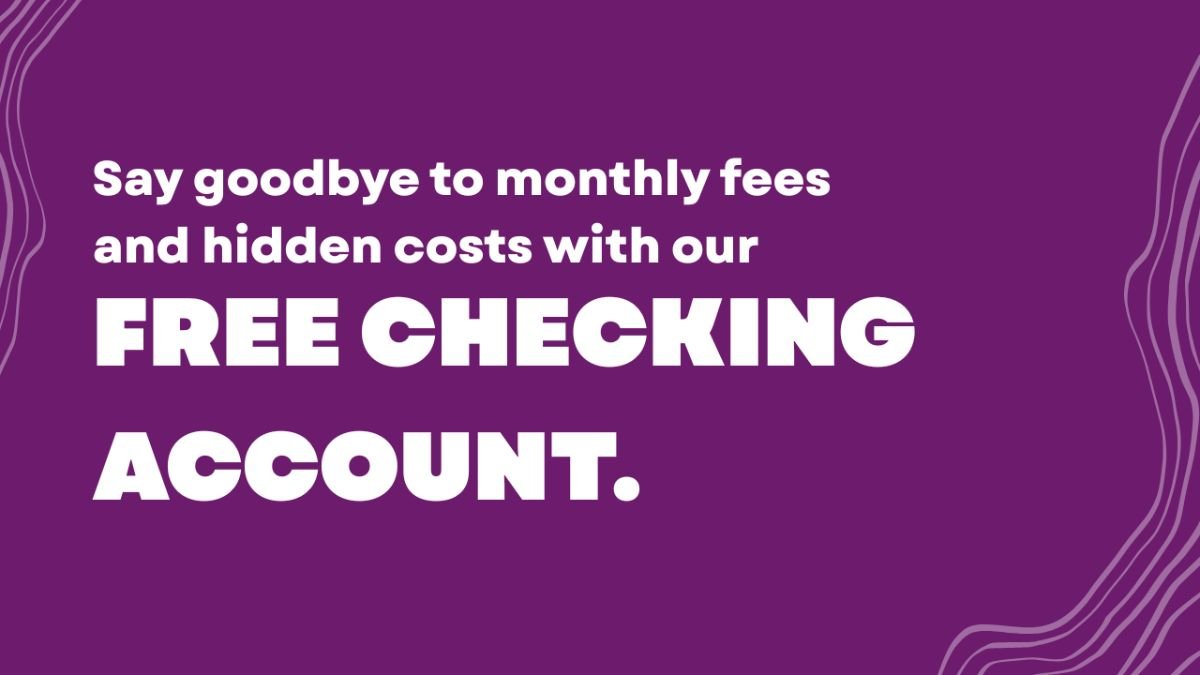
Be sure to review the bank’s fee schedule before you open an account. This includes any monthly maintenance fees, overdraft fees, and ATM fees. It’s important to look for an account that offers little-to-no fees — or offers easy ways to get fees reimbursed. (Here’s our list of the best free checking accounts today.)
Customer service
Look for a bank with strong customer service reviews. You may also want to consider a bank that offers support through various channels, including phone, email, and online chat, and with generous customer service hours.
Security policies
The bank should employ security best practices to protect your account, including encryption and two-factor authentication. Carefully review your bank account disclosures for the full breakdown of the security measures in place to ensure your money is protected.
Bonus offers and perks
Some banks and credit unions offer checking account bonuses for new customers or cash back on debit card purchases. Other perks may include fee-free ATM transactions or ATM fee refunds, no monthly service fees, or overdraft protection. Make sure you understand any qualifying requirements you must meet to take advantage of these benefits.
Yes, provided your financial institution is federally insured. Look for FDIC insurance at traditional banks or NCUA insurance at credit unions. Both cover up to $250,000 per depositor in the event that the financial institution fails.
Many banks offer straightforward ways to waive monthly fees. Common qualifying options include: Setting up recurring direct deposits from an employer. Maintaining a specified minimum daily balance. Enrolling in e-statements or linking another account at the same bank. Opting for student, senior, or dedicated fee-free checking accounts.
Checking Account: Designed for daily spending, income deposits, paying bills, and making debit/ATM transactions with unrestricted access. Savings Account: Designed for long-term goals and emergency funds, offering higher interest rates to help your balance grow over time.
Most banks require the following items during the application process: A valid government-issued photo ID (driver’s license, state ID, or passport). Your Social Security Number (SSN) or Individual Taxpayer Identification Number (ITIN).
Proof of address (utility bill, lease, or mortgage statement). Funds for an initial minimum deposit (if required).
No, opening a checking account generally does not impact your credit score. Banks usually run a background check through screening systems like ChexSystems (which tracks bank account history) rather than performing a hard inquiry on your credit report.

Manoj Sharma is a Senior Writer on the banking team at Tax Assistant. He provides information on budgeting, bank accounts, the banking industry, and other related topics. Using original data and methodologies, he helps you identify the best financial institutions, accounts, and products tailored to your needs. Manoj holds a degree in Journalism and Political Science from Syracuse University. All articles are strictly reviewed and fact-checked by our panel of expert Chartered Accountants, including CA Devendra Saini, CA Nikhil Khunteta, and CA Ankit Goyal