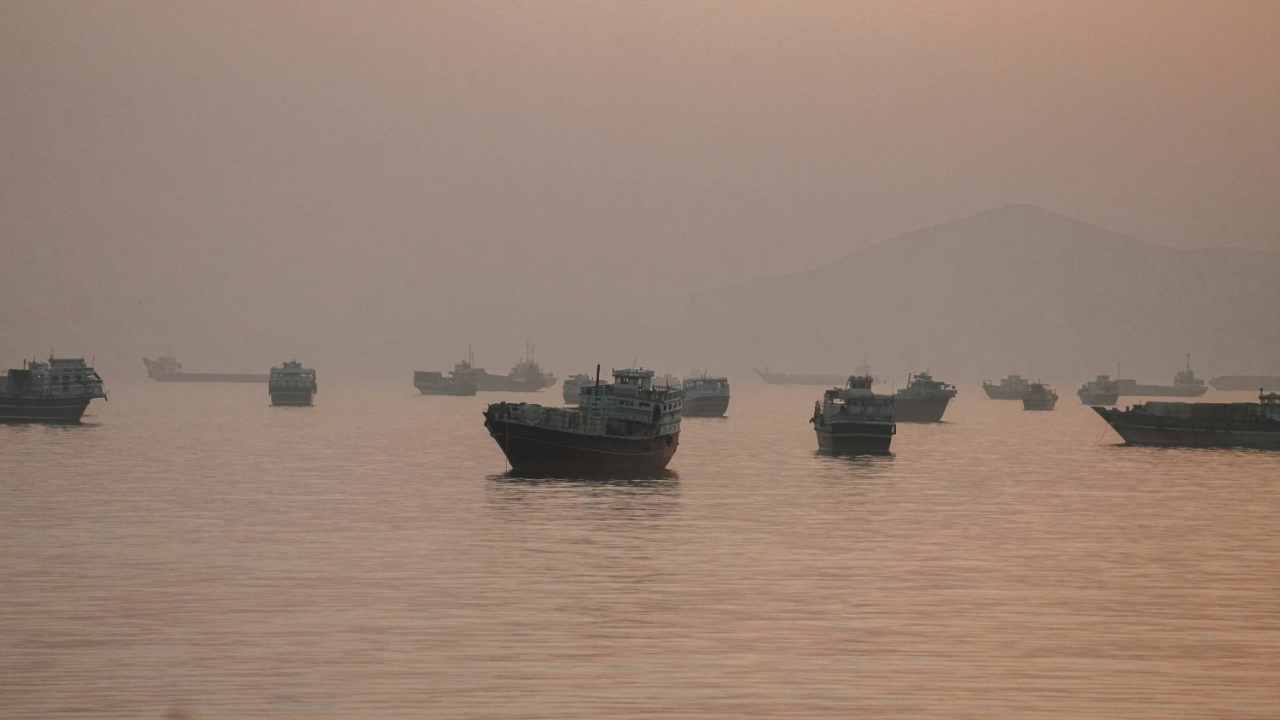
The latest clash in the Middle East underscores just how fragile the situation remains three months into the conflict. On Saturday, U.S. Central Command (CENTCOM) launched retaliatory strikes against Iranian coastal surveillance radar sites in Goruk and on Qeshm Island.
Thank you for reading this post, don't forget to subscribe!This action followed the interception of four Iranian drones targeting regional maritime traffic. The exchange highlights the deep complications surrounding ongoing, indirect negotiations aimed at establishing an interim peace deal.
The Core Conflict: Demands and Deadlocks
While both nations are engaged in back-channel talks to secure a temporary halt to the war, their competing priorities illustrate why a definitive resolution remains elusive:
What Iran Demands
- Economic Relief: Access to billions of dollars in frozen oil revenue and waivers on crude export sanctions.
- An End to the Blockade: The lifting of the U.S. naval blockade currently squeezing Iranian ports.
- Regional Linkage: Tehran insists on a simultaneous ceasefire and Israeli withdrawal from southern Lebanon before any deal with Washington can be finalized.
What the U.S. Requires
- Maritime Security: The immediate reopening of the Strait of Hormuz to restore global trade.
- Security Guarantees: A total halt to drone and missile strikes targeting international shipping and regional allies.
The Economic and Regional Fallout
The stakes extend far beyond military engagement, rippling into global economics and neighboring conflicts:
- The Energy Chokehold: Before the war, roughly 20% of the world’s oil passed through the Strait of Hormuz daily. With Iran effectively blocking this artery, global gas prices have spiked. This has placed intense domestic political pressure on U.S. President Donald Trump to bring the unpopular conflict to an end.
- Degraded But Defiant: President Trump stated that while American strikes have dismantled the vast majority of Iran’s drone and missile manufacturing facilities, Tehran still retains about 21% to 22% of its missile arsenal—a capacity that allows them to remain highly disruptive.
- The Parallel War in Lebanon: The conflict is deeply intertwined with escalating violence in southern Lebanon between Israel and the Iran-aligned militant group Hezbollah. Hezbollah recently rejected a U.S.-brokered pact because it failed to guarantee an Israeli withdrawal from captured territories, further stalling a unified regional peace framework.
Despite tentative, U.S.-arranged ceasefires that Trump described as “shooting in a more moderate manner,” towns across Gaza, northern Israel, Lebanon, and Kuwait remain under fire, proving that a true diplomatic breakthrough is still far out of reach.

Suresh Kumar Saini is a financial researcher specializing in US Personal Finance, Online Banking, and US Tax Guides, helping individuals navigate complex financial systems.