The brief window of optimism for a diplomatic breakthrough between the U.S. and Iran has narrowed, sending global oil prices back on an upward trajectory. After a temporary dip fueled by hopes of a resolution, market benchmarks are climbing again as a near-term peace deal looks increasingly unlikely.
Thank you for reading this post, don't forget to subscribe!Market Snapshot
By mid-May 2026, prices have stabilized at elevated levels following the breakdown of recent talks:
- Brent Crude: Trading between $101.50 and $102.15 per barrel.
- WTI (West Texas Intermediate): Holding near $96.20 per barrel.
Factors Fueling the Rally
- Diplomatic Deadlock: Negotiations recently hit a wall in Pakistan after Iranian representatives exited before a scheduled direct session with U.S. envoys.
- The Hormuz Bottleneck: The continued closure of the Strait of Hormuz remains the primary supply concern. With roughly 20% of the world’s oil usually transiting this route, the market is grappling with a daily deficit of nearly 4.8 million barrels.
- Hardline Rhetoric: Investor confidence took a hit after U.S. President Donald Trump characterized Iran’s counter-proposals as “unacceptable,” signaling that a face-to-face summit is not currently on the table.
The Macro Impact
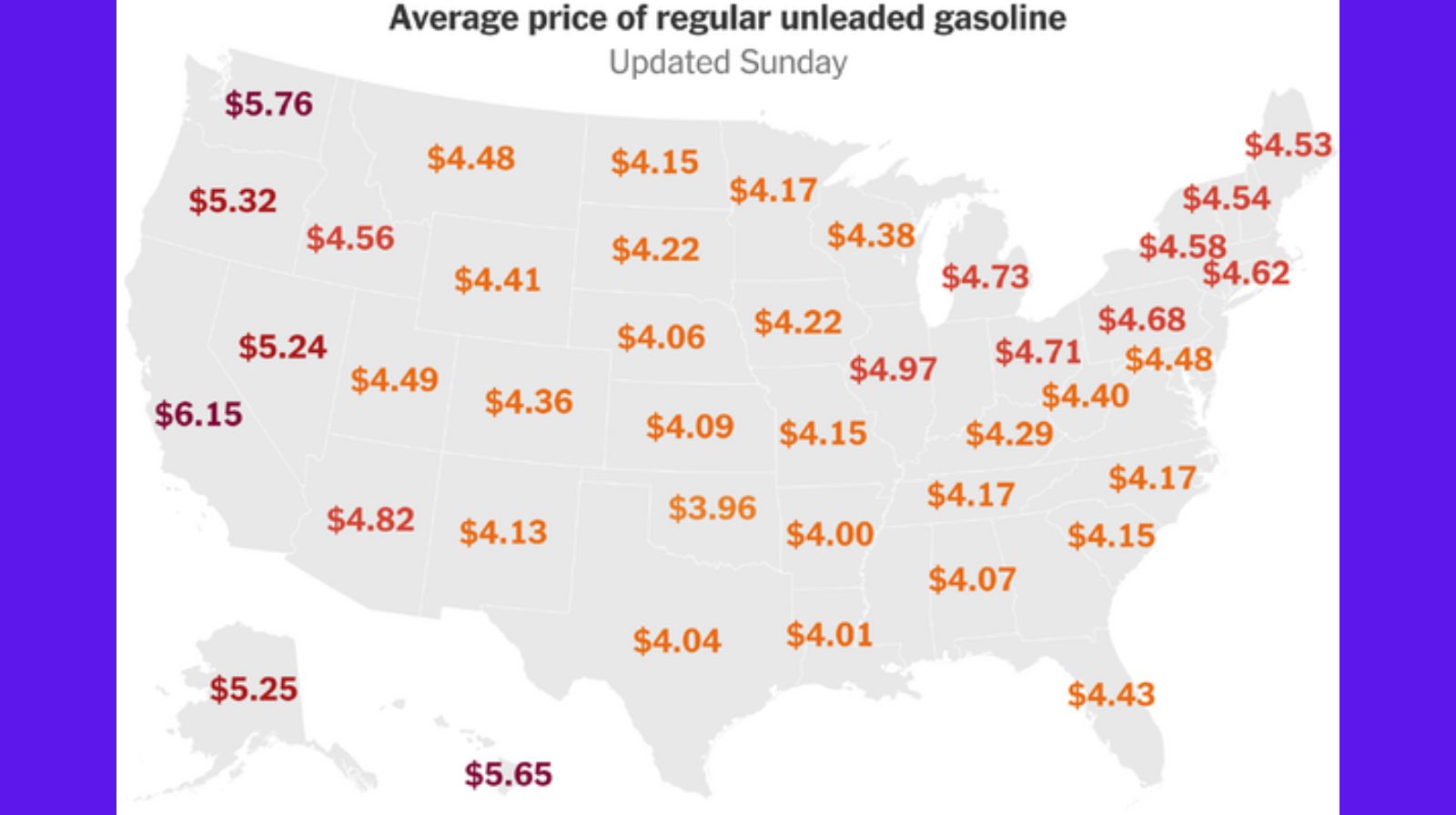
- Inflationary Pressure: In the U.S., the energy spike has pushed average gas prices past $4.50 per gallon, straining consumer spending power.
- Global Strain: In India, the Rupee has faced intense pressure, dropping to record lows against the Dollar. This has led to government-mandated conservation efforts, including a push for remote work to curb national fuel consumption.
- Energy Sector Profits: While consumers feel the pinch, energy giants like Shell are seeing massive gains, with recent quarterly profits hitting nearly $7 billion due to the high-price environment.
Outlook
The market is currently in a “wait-and-see” mode, eyeing a critical 48-hour deadline for Tehran to respond to specific U.S. terms. However, experts warn that even a sudden diplomatic victory wouldn’t provide immediate relief; it would take weeks to clear the logistics backlog in the Gulf and replenish thinning global reserves.

"Suresh Kumar Saini is an experienced Tax Assistant and finance writer. He specializes in US & Canada Tax Guide, Indian Income Tax laws, GST compliance, and personal finance, helping freelancers and remote workers optimize their taxes."