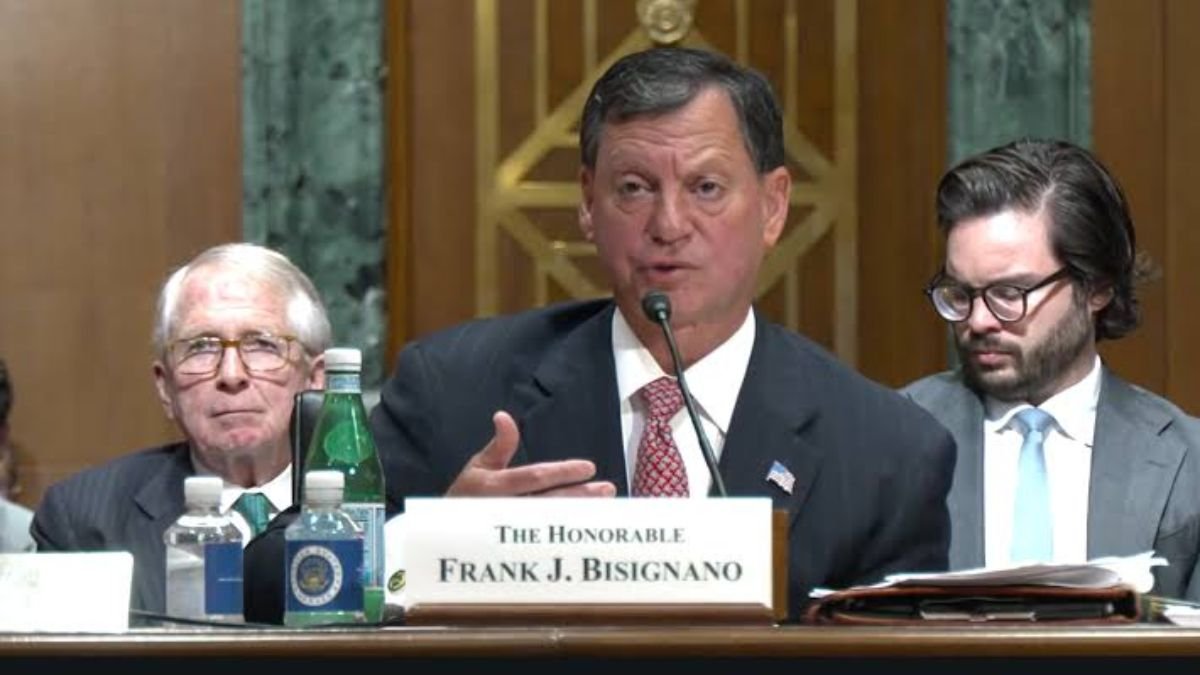
In a significant policy reversal, the Trump administration has officially shifted state-licensed medical marijuana from Schedule I to Schedule III under the Controlled Substances Act. Acting Attorney General Todd Blanche signed the directive today, April 23, 2026, acting on the President’s December 2025 executive order aimed at expanding cannabis research.
Major Impacts of the Shift
- Financial Relief for Businesses: Medical cannabis operators are now exempt from IRS Code Section 280E. This allows them to deduct standard business expenses like payroll and rent, significantly lowering the tax burden for state-compliant dispensaries.
- Scientific Advancement: By removing the “high potential for abuse” label associated with Schedule I drugs, the administration is clearing the way for universities and pharmaceutical firms to conduct rigorous clinical trials.
- Federal “Safe Harbor”: The order provides a layer of federal legitimacy to the medical marijuana programs currently active in 42 states, signaling that the Department of Justice will prioritize other areas of enforcement.
Understanding the Boundaries
| Category | Status Post-Order |
| Legal Status | Still a federally controlled substance, but now in the same category as anabolic steroids or ketamine. |
| Recreational Use | Unchanged. The Schedule III benefits currently apply only to state-licensed medical programs. |
| Hemp Industry | Uncertain. A separate 2025 law restricting low-THC hemp products remains in effect, though the administration has hinted at future reconciliation. |
Looking Ahead
This is likely the first step in a broader overhaul. The administration has scheduled DEA hearings for June 2026 to discuss the potential reclassification of adult-use (recreational) marijuana. While the industry celebrates this as a milestone, legal challenges from advocacy groups are expected to reach federal courts in the coming weeks.

Suresh holds a Master of Commerce (M.Com) degree and is a dedicated personal finance researcher and writer. Combining his advanced academic background in commerce with deep industry research, he covers complex topics like taxation, banking systems, credit analysis, and personal finance strategies. As the founder of Tax Assistant (taxassistant.org), Suresh is committed to translating complicated financial guidelines and economic data into simple, accurate, and actionable educational resources for everyday readers.