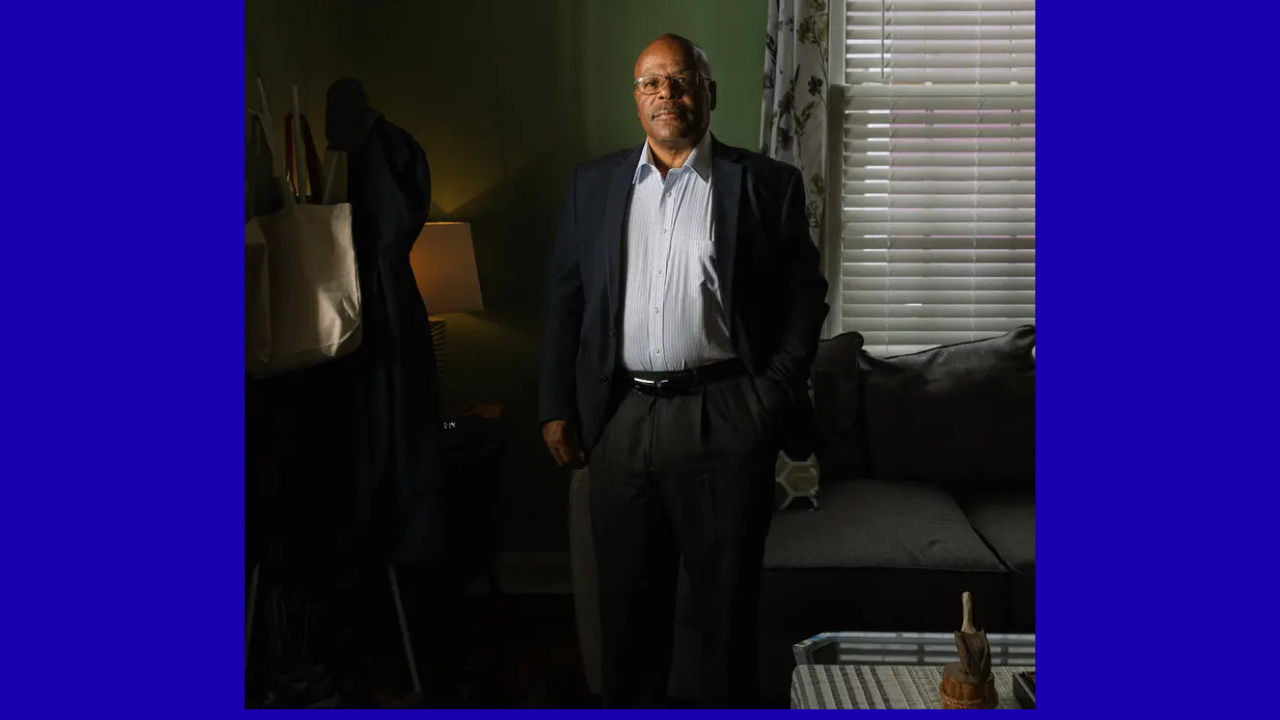
Calvin Duncan’s story is one of the most striking examples of a “second act” in American legal history—and the political tug-of-war that can follow it. After spending nearly three decades fighting a wrongful conviction, Duncan faced a new hurdle: winning an election only to see the office itself potentially vanish.
A Journey Through the Justice System
- The Jailhouse Lawyer: Duncan became a self-taught legal scholar, assisting hundreds of other inmates with their cases.
- Supreme Court Impact: His legal research was foundational to the landmark 2020 case Ramos v. Louisiana, which finally banned non-unanimous jury verdicts in the U.S.
- Exonerated: After a decade of freedom following a 2011 release, a judge officially vacated his conviction in 2021, declaring him innocent.
The 2025 Election
In a poetic turn of events, Duncan ran for Orleans Parish Clerk of Criminal Court—the very office responsible for managing the records he once struggled to access from prison. He campaigned on transparency and judicial reform, winning with a massive 68% of the vote.
The Legal Limbo
| The Arguments | The Context |
| Efficiency: Lawmakers claim the merger is a cost-saving measure to streamline a “dysfunctional” New Orleans court system. | Timing: Critics argue the move is a direct attempt to prevent an exonerated man and reformer from taking power. |
| Legislation: The bill passed the state Senate in early 2026. | The Stakes: Unlike other officials who might be “grandfathered” in, the bill specifically targets the start of Duncan’s term. |
The Current Status (April 2026)
The situation remains a high-stakes standoff. For Duncan’s supporters, it’s a fight for the will of the voters; for the state, it’s framed as a matter of administrative reform. Whether Duncan will ever be sworn in remains the biggest question in Louisiana politics today.

Suresh holds a Master of Commerce (M.Com) degree and is a dedicated personal finance researcher and writer. Combining his advanced academic background in commerce with deep industry research, he covers complex topics like taxation, banking systems, credit analysis, and personal finance strategies. As the founder of Tax Assistant (taxassistant.org), Suresh is committed to translating complicated financial guidelines and economic data into simple, accurate, and actionable educational resources for everyday readers.