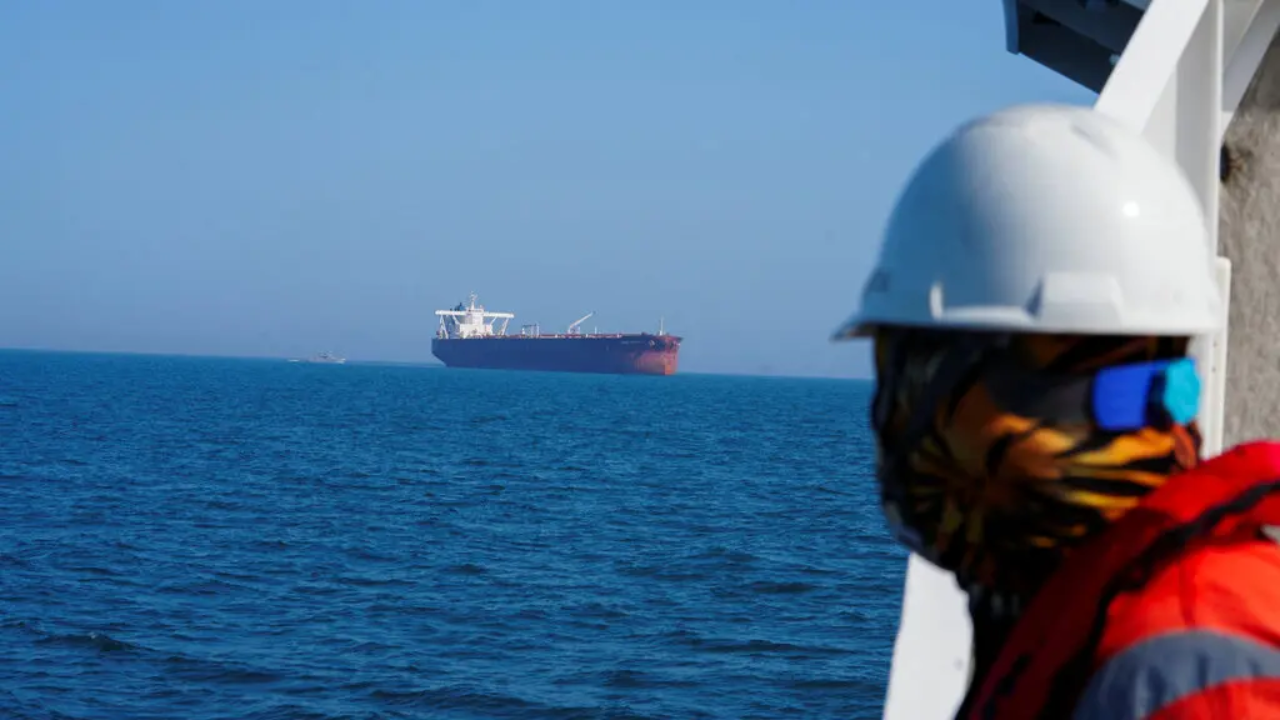
The reopening of the Strait of Hormuz on April 17, 2026, has finally broken the tension that gripped global energy markets for two months. While the news sent Brent crude tumbling 10% toward $89 per barrel, the celebration is cautious. “Opening the gates” is a massive step, but it doesn’t instantly repair the structural fractures caused by the blockade.
Thank you for reading this post, don't forget to subscribe!Here is why the crisis is easing—but isn’t over yet.
1. The Immediate Impact: A Market “Pressure Release”
The announcement sparked an immediate, visible shift in the global economy:
- Crude Correction: After hitting a staggering $126 per barrel in March, oil prices saw their largest single-day drop in years.
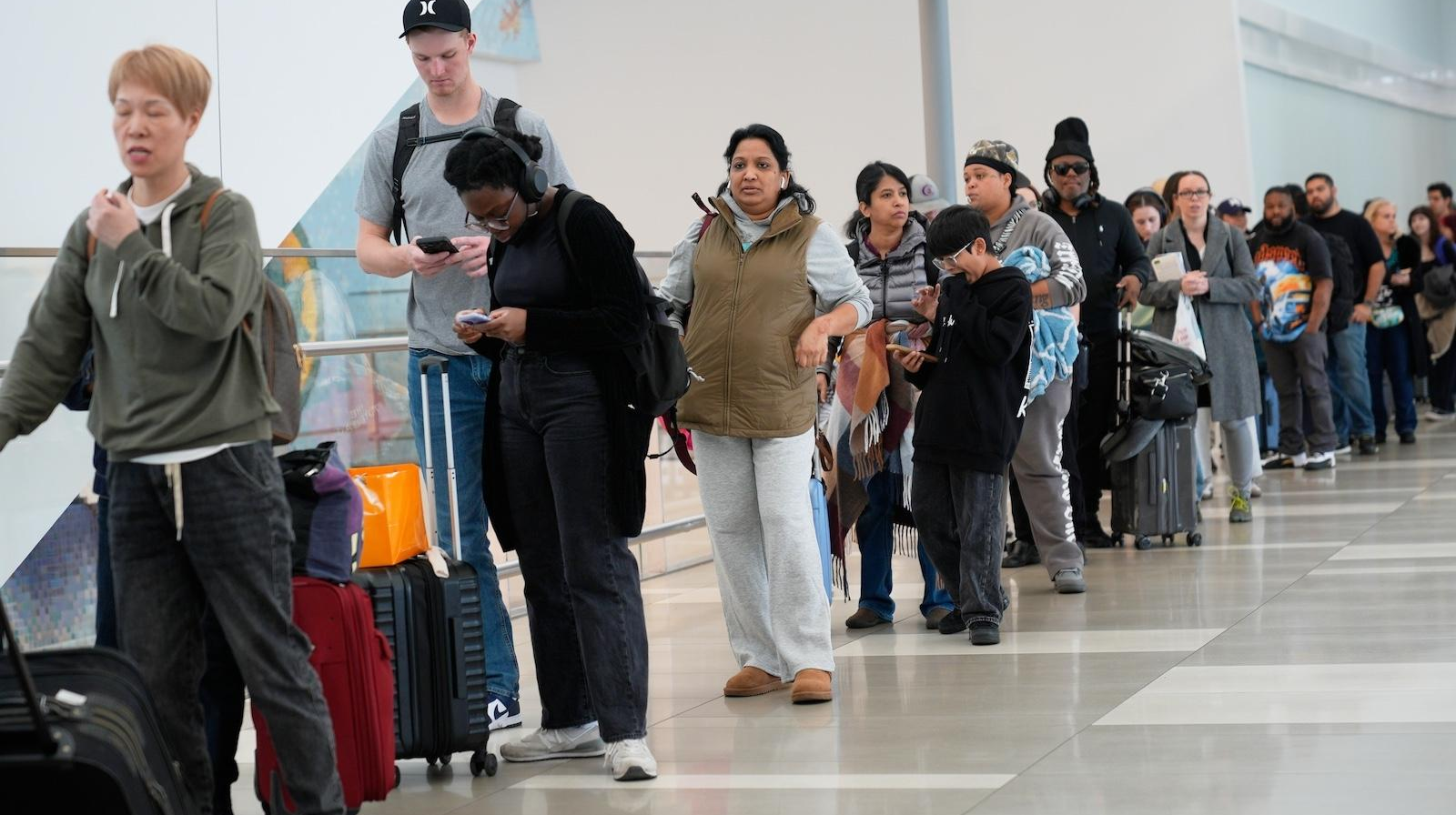
- Transportation Rally: Logistics and aviation stocks surged as the threat of indefinite fuel rationing began to fade.
- Route Realignment: Shipping giants like Maersk are already pivoting back from the costly detours around the Cape of Good Hope.
2. The Residual Friction: Why Prices Stay High
Navigable water doesn’t equate to a healed supply chain. Several “clogs” remain:
- The Tanker Traffic Jam: With over 800 vessels caught in the backlog, it will take at least two to three weeks just to normalize the flow of traffic.
- Infrastructure Scars: The March 18th strike on Qatar’s Ras Laffan cut LNG capacity by 17%. Experts suggest repairs could take 3 to 5 years, meaning high natural gas prices are the new “long-term normal.”
- The Refinement Gap: While crude is cheaper, diesel and jet fuel remain scarce. Refineries are struggling with a mismatch in crude blends, keeping airfares and shipping surcharges elevated.
3. A Fragile Peace
- The Blockade Stand-off: Iran has warned that if the U.S. naval blockade on its own ports isn’t lifted, the Strait could close again. This “hair-trigger” environment keeps market anxiety high.
- Insurance Costs: Maritime insurance premiums haven’t dropped yet. The “war risk” designation remains, deterring smaller operators from entering the Gulf until the peace proves it can hold.
Sector-by-Sector Recovery Outlook
| Sector | Outlook | The “Catch” |
| Aviation | Slow improvement. | Jet fuel reserves are still at critical lows in Europe. |
| Logistics | Shipping costs normalizing. | Risk premiums keep “spot rates” higher than pre-crisis levels. |
| Energy | Oil stabilizing at $85–$90. | LNG scarcity persists due to damaged Qatari infrastructure. |
| Agri-Business | Fertilizer (Urea) flow resumes. | Global food prices will take months to reflect lower transport costs. |
The Bottom Line: We have moved from an active emergency to a fragile recovery. The reopening prevents a total global collapse, but the “Shadow of March” will likely influence energy policy and inflation for the rest of 2026.