The U.S. tax system creates two very different worlds: one for those who work for a living, and another for those who own for a living. Based on the insights from tax law expert Ray Madoff, here is a breakdown of how the modern “American Aristocracy” operates outside the rules that apply to everyone else.
1. The Income Illusion
The Mantra: “Salaries are for suckers.”
2. The “Buy, Borrow, Die” Strategy
How does a billionaire buy a superyacht without a salary? They use a mechanical loophole that turns wealth into tax-free cash:
- Buy/Build: They own massive amounts of appreciating stock.
- Borrow: Instead of selling stock (which would trigger a 23.8% capital gains tax), they take out massive loans using their stock as collateral.
- Spend: These loans provide liquid cash for a lavish lifestyle. Because a loan isn’t “income,” it is 100% tax-free.
- Die: They keep the cycle going until they pass away, triggering the final loophole.
3. The “Angel of Death” Loophole
The most powerful tool in the arsenal of dynastic wealth is the Step-up in Basis.
- Scenario A: You buy stock for $1M and sell it for $30M while alive. You pay taxes on $29M in profit.
- Scenario B: You buy stock for $1M and die when it’s worth $30M. Your heirs inherit it at a $30M value. They can sell it the next day for $30M and pay $0 in taxes. Decades of growth are simply wiped off the tax books.
4. Legal Machinations & “Dynasty Trusts”
The estate tax (often called the “Death Tax”) was designed to prevent the concentration of wealth. However, it has been hollowed out by sophisticated legal structures:
- Minority Discounts: Wealthy families “chop up” assets into smaller pieces to claim they are worth less on paper, lowering their tax bill by up to 40%.
- Dynasty Trusts: These are legal vehicles that allow wealth to grow and be passed down through generations—children, grandchildren, and beyond—without ever being subject to the estate tax “sweep-up.”
- GRATs: Specialized trusts that allow billionaires to shift the growth of an asset to their children entirely tax-free.
5. The ProPublica “True Tax Rate”
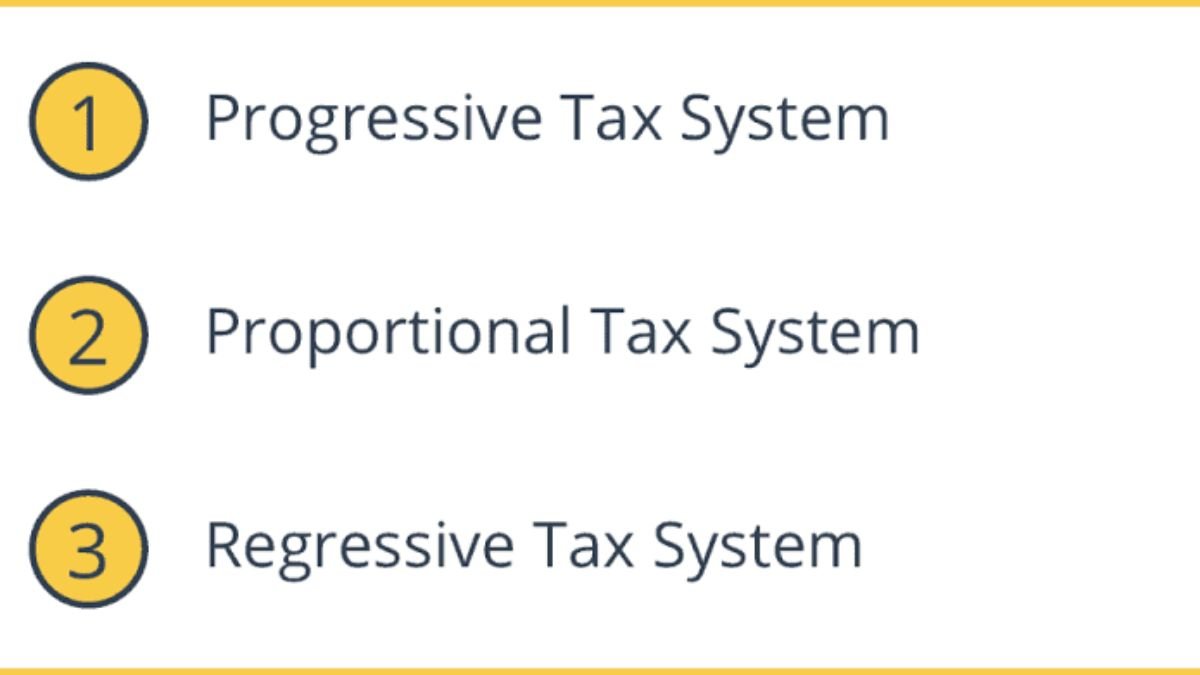
While the tax code looks “progressive” on paper, the 2021 ProPublica leak revealed the reality of what the richest Americans actually pay relative to their wealth growth:
| Individual | True Tax Rate |
| Warren Buffett | 0.1% |
| Jeff Bezos | 0.98% |
| Michael Bloomberg | 1.3% |
The Bottom Line
The “dance” between the IRS and taxpayers has stopped. While tax planners have spent the last 30 years inventing new ways to shield wealth, Congress has not passed major estate tax reform since 1990. The result is a system where those who work for their money fund the society, while those who own the society move their wealth through “tax-free stratospheres.”

Suresh holds a Master of Commerce (M.Com) degree and is a dedicated personal finance researcher and writer. Combining his advanced academic background in commerce with deep industry research, he covers complex topics like taxation, banking systems, credit analysis, and personal finance strategies. As the founder of Tax Assistant (taxassistant.org), Suresh is committed to translating complicated financial guidelines and economic data into simple, accurate, and actionable educational resources for everyday readers.