As Middle East instability drives energy prices to sustained highs, a “fiscal reckoning” is approaching. Governments worldwide are caught in a pincer movement: the political necessity of subsidizing household energy costs versus the mathematical reality of unsustainable public debt.
The Price of Protection
- Germany & Canada: Nearly $3.6 billion combined in temporary fuel tax slashes.
- Japan: A massive $10 billion framework to assist Southeast Asian nations with commodity procurement.
- Australia, Italy, & Greece: Hundreds of millions in extended tax cuts and direct “fuel pass” cash transfers.
A Squeezed Global Balance Sheet
The International Monetary Fund (IMF) and the European Central Bank (ECB) are issuing stern warnings. Unlike the 2020 pandemic or the 2022 Ukraine shock, the world’s “fiscal buffers” are now exhausted.
Key Fiscal Indicators
| Indicator | Current Status |
| Global Public Debt | 94% of GDP (rising toward 100% by 2029) |
| Borrowing Costs | UK 10-year yields hit 4.92% (highest since 2008) |
| Fiscal Progress | “No meaningful progress” in repairing budgets despite 2025 growth |
The “Triple Threat” to Stability
Policymakers highlight three factors making this crisis more dangerous than previous ones:
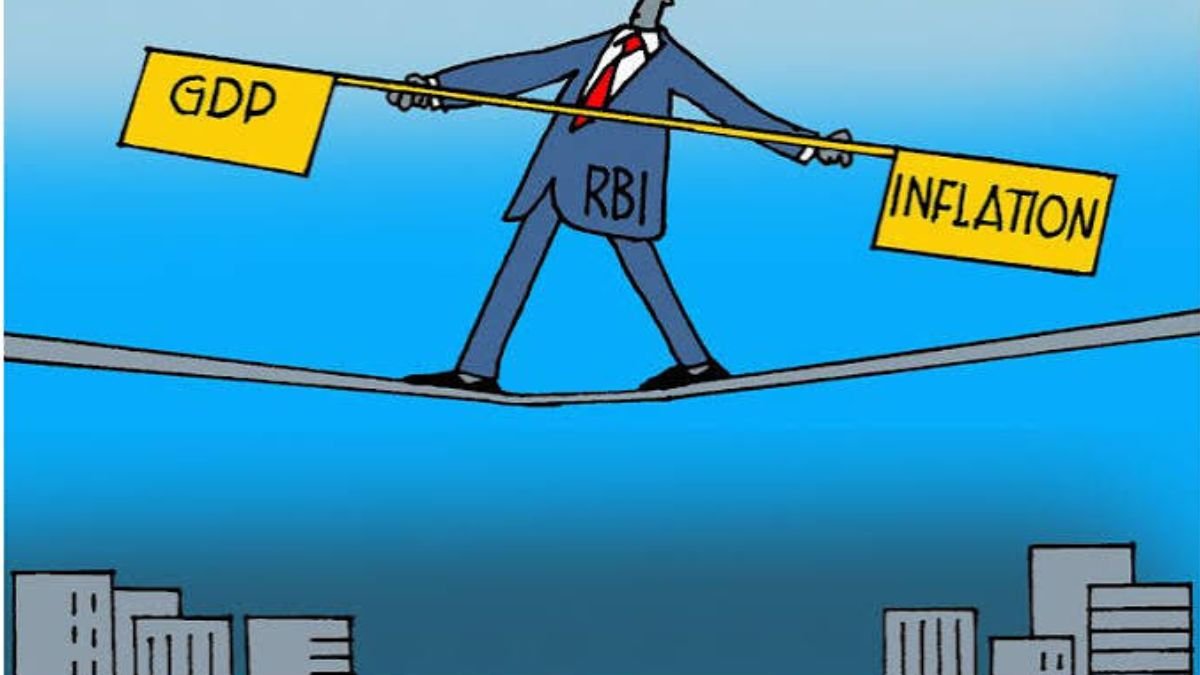
- Monetary Friction: Central banks are raising interest rates to fight energy-driven inflation. This creates a feedback loop where government borrowing for subsidies actually increases the cost of that very debt.
- Structural Demands: Budgets are already under “permanent” pressure from increased defense spending in Europe, the costs of aging populations, and the green energy transition.
- Fragmenting Markets: Trade alliances are shifting, and governments are increasingly relying on private investors rather than central banks to buy their debt, making them more vulnerable to market sentiment.
The Verdict: “Targeted, Not Broad”
The IMF’s directive is clear: indiscriminate spending must end. > “Fiscal policy must respond cautiously—providing support where needed without pushing public finances closer to the brink.” — IMF Fiscal Report
The recommendation is to move away from universal fuel tax cuts—which benefit the wealthy—and toward targeted cash relief for the most vulnerable. For countries with high interest payments, the window for “emergency spending” is no longer just closing; it is being slammed shut by the markets.

Suresh holds a Master of Commerce (M.Com) degree and is a dedicated personal finance researcher and writer. Combining his advanced academic background in commerce with deep industry research, he covers complex topics like taxation, banking systems, credit analysis, and personal finance strategies. As the founder of Tax Assistant (taxassistant.org), Suresh is committed to translating complicated financial guidelines and economic data into simple, accurate, and actionable educational resources for everyday readers.