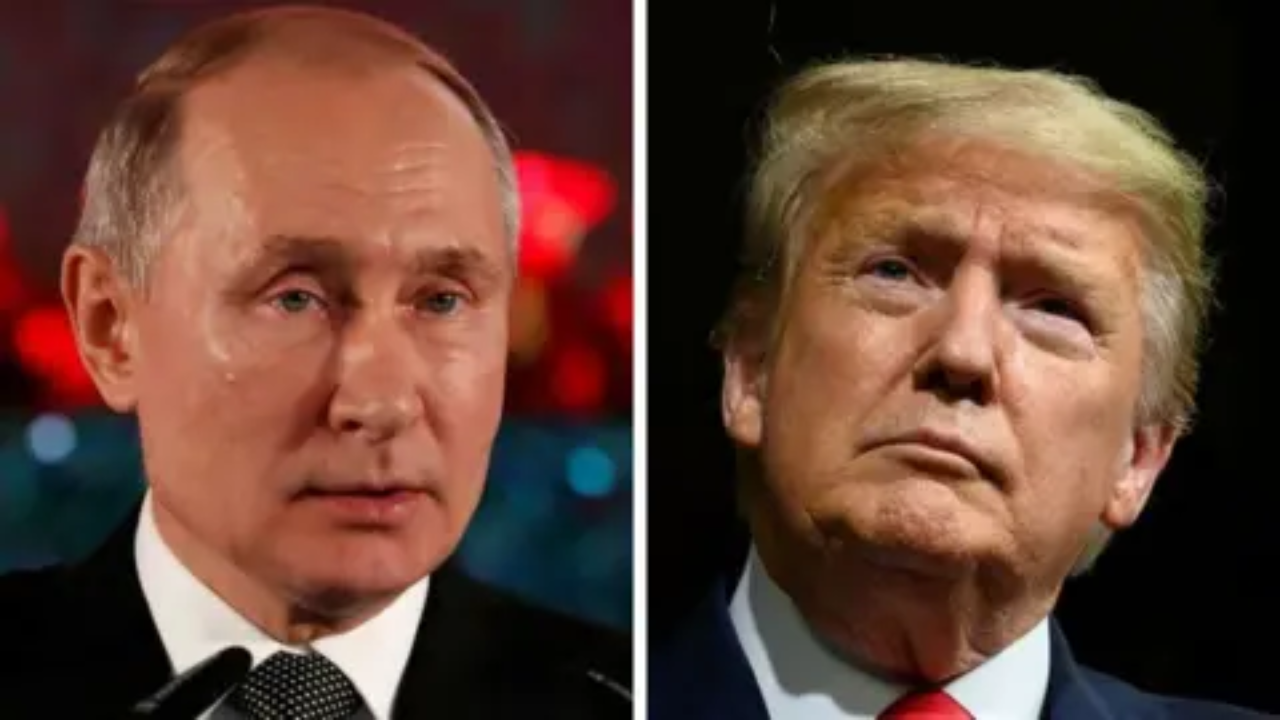
In a major policy pivot in March 2026, the Trump administration issued temporary waivers on specific Russian oil sanctions. This move wasn’t a gesture of goodwill toward Moscow, but rather a “firewall” strategy designed to protect the American economy from the fallout of the U.S.-Israel conflict with Iran.
The Drivers Behind the Decision
The administration’s logic rests on three main pillars:
- The “Hormuz Factor”: With the Strait of Hormuz effectively a war zone, global oil supply is under unprecedented threat. The U.S. moved to unlock 125 million barrels of stranded Russian oil to prevent a catastrophic price surge at the pump.
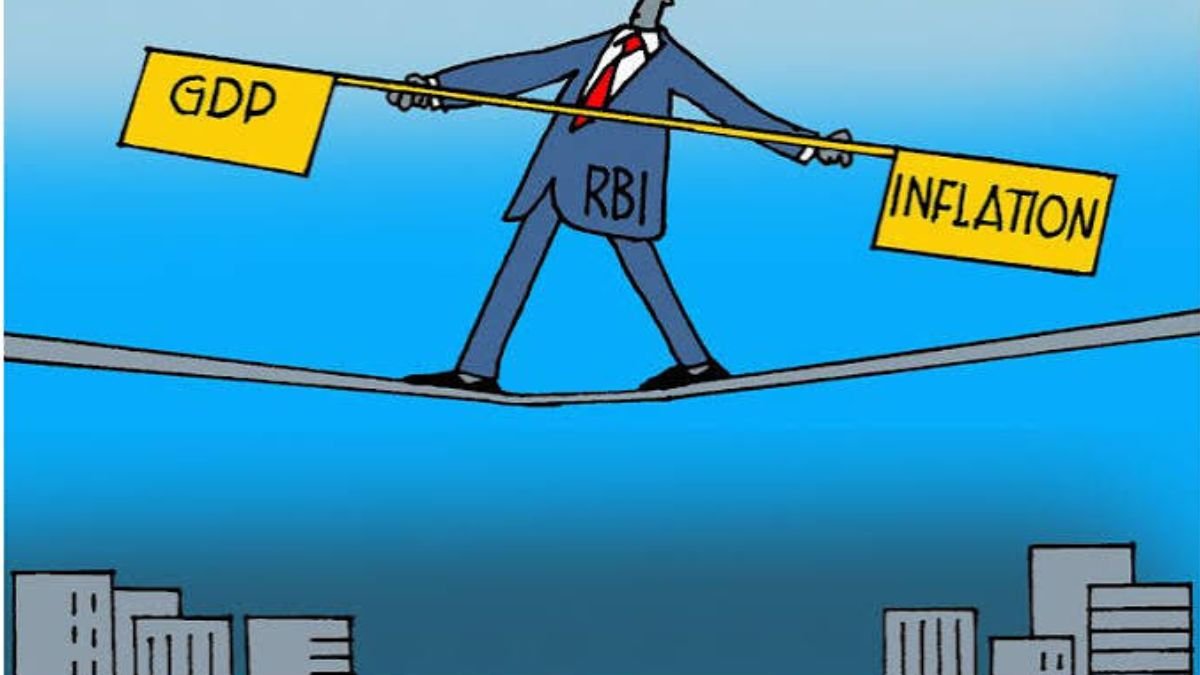
- Economic Stabilization: Treasury Secretary Scott Bessent framed the move as a pragmatic necessity. By allowing this “sunk” oil to reach the market, the U.S. aims to curb domestic inflation and stabilize global energy indices.
- Geopolitical Balancing: The waiver follows a 30-day reprieve for India, ensuring that a key democratic partner remains economically stable while Middle Eastern supplies are restricted.
The Putin Question: Who Really Wins?
Whether this helps the Kremlin depends on who you ask. The debate centers on “new money” versus “old money.”
| The Argument Against the Waiver | The Argument For the Waiver |
| Increased Revenue: Ukraine argues this could inject $10 billion into Russia’s war efforts, allowing Putin to leverage higher global prices. | Sunk Costs: The U.S. argues this oil was already extracted and taxed; letting it sell now doesn’t change the Kremlin’s bottom line significantly. |
| Market Legitimacy: Analysts suggest the “Urals discount” (the forced low price Russia has to accept) is shrinking, potentially netting Russia an extra $150 million daily. | Inflation Control: The administration maintains that a global recession caused by $200 oil would hurt the West far more than the waiver helps Russia. |
The Bottom Line
While the broader sanctions framework remains, this temporary “release valve” represents a calculated risk. The administration is essentially betting that the immediate threat of a global energy collapse is a more urgent priority than the long-term goal of isolating Russian energy exports.

Suresh holds a Master of Commerce (M.Com) degree and is a dedicated personal finance researcher and writer. Combining his advanced academic background in commerce with deep industry research, he covers complex topics like taxation, banking systems, credit analysis, and personal finance strategies. As the founder of Tax Assistant (taxassistant.org), Suresh is committed to translating complicated financial guidelines and economic data into simple, accurate, and actionable educational resources for everyday readers.