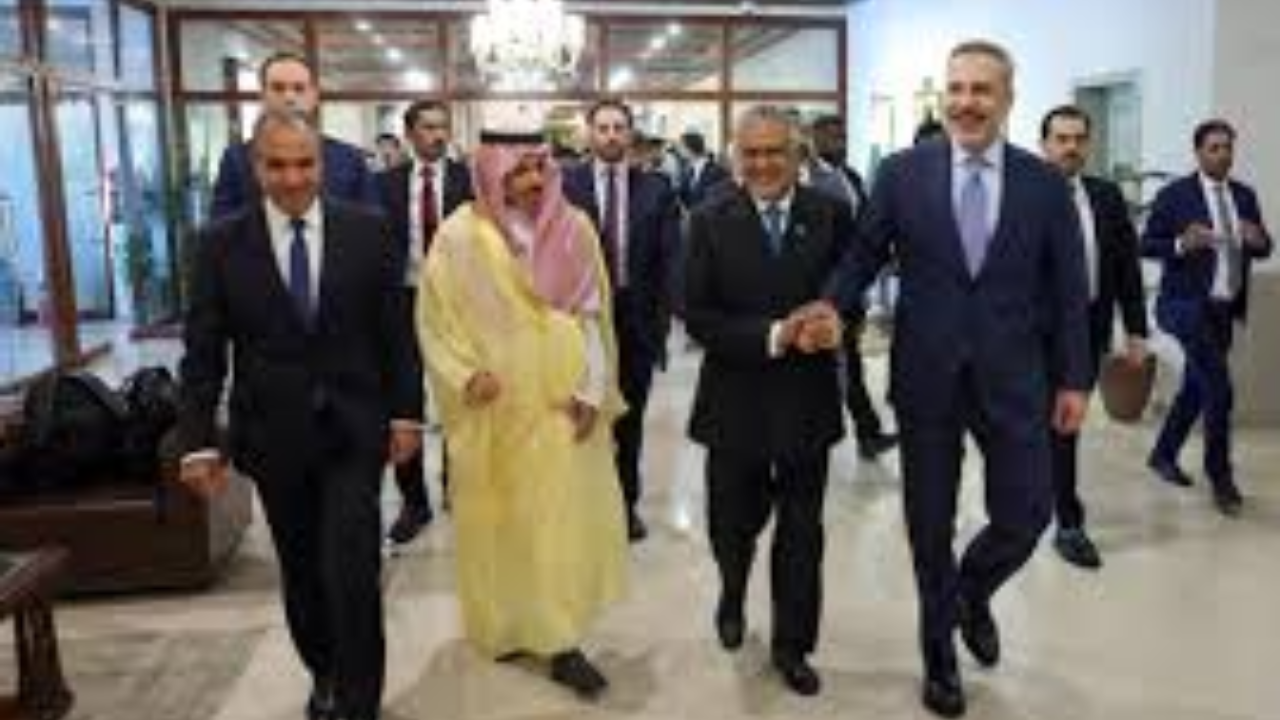
A high-level Pakistani delegation, led by Field Marshal Asim Munir, is currently in Tehran for emergency talks aimed at salvaging a collapsing peace process between the U.S. and Iran. With the current ceasefire set to expire on April 22, these negotiations are widely viewed as the final window for a diplomatic resolution.
Thank you for reading this post, don't forget to subscribe!The Current Stalemate
- Nuclear Terms: Disagreements persist over a proposed 20-year moratorium on uranium enrichment.
- The Blockade: Iran demands the immediate lifting of the U.S. naval blockade on its ports, which it labels “maritime piracy.”
- Scope of Truce: Tensions are high regarding ongoing military operations in Lebanon, which Iran argues violate the spirit of the current ceasefire.
Military & Economic Stakes
- Naval Tension: The U.S. Central Command continues to enforce a strict blockade, while Tehran has reiterated threats to shut down transit through the Strait of Hormuz and the Red Sea.
- Market Volatility: Global energy markets remain on edge. Finance leaders from Qatar and the UK have warned of a “massive economic shock” if the ceasefire is not extended.
- Troop Movements: Despite President Trump’s recent optimistic claims that the conflict is “close to over,” the Pentagon is reportedly preparing to deploy an additional 10,000 troops to the region as a “precautionary measure.”
The Road Ahead
The Pakistani mediators are reportedly carrying a revised “de-escalation roadmap” from Washington. The success of this trip will determine whether the region returns to the negotiating table or shifts back into a state of active, large-scale combat.

"Suresh Kumar Saini is an experienced Tax Assistant and finance writer. He specializes in US & Canada Tax Guide, Indian Income Tax laws, GST compliance, and personal finance, helping freelancers and remote workers optimize their taxes."