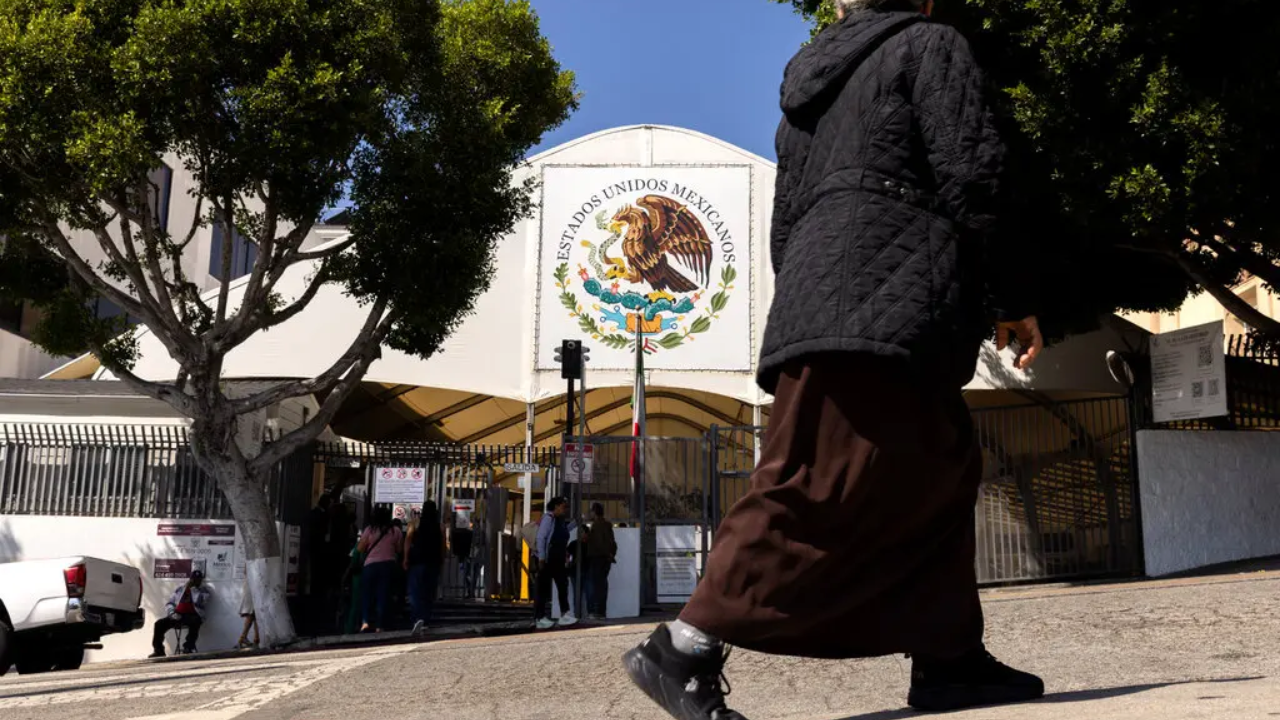
The State Department has officially opened a comprehensive review of Mexico’s 53 consulates in the United States. This move, announced in early May 2026, marks a significant escalation in diplomatic tensions between the two neighbors and could potentially lead to the closure of several offices.
The Core Allegations
The review stems from claims—frequently highlighted by right-wing commentators and lawmakers—that the Mexican consular network has overstepped its diplomatic boundaries. Key concerns include:
- Political Meddling: Allegations that consular staff have attempted to influence U.S. election outcomes.
- Weaponized Migration: Claims that the network facilitates mass migration to exert political pressure on the U.S. government.
- Policy Realignment: The State Department maintains that this audit ensures foreign diplomatic missions are operating in strict accordance with “America First” interests.
Mexico’s Defense
The Mexican government has responded with a firm rejection of these accusations, citing the following:
- Legal Protections: The Ministry of Foreign Affairs (SRE) asserts that all consular activities are conducted within the legal framework of the 1963 Vienna Convention.
- Service-Oriented Mission: President Claudia Sheinbaum’s administration maintains that these offices provide essential legal, health, and social services to Mexican nationals and do not participate in U.S. domestic politics.
A Strained Partnership
This investigation is part of a broader “cold front” in U.S.-Mexico relations. The two nations are currently clashing over:
- Cartel Activity: Recent U.S. indictments of high-level Mexican officials for alleged ties to drug trafficking.
- Extradition Stalls: Mexico’s refusal to extradite certain officials without more substantial evidence from the U.S. Department of Justice.
- Border Security: Heated rhetoric regarding potential U.S. military action against cartels on Mexican soil.
The outcome of this review is expected to significantly impact the millions of Mexican citizens living in the U.S. who rely on these consulates for documentation and legal protection.

Suresh holds a Master of Commerce (M.Com) degree and is a dedicated personal finance researcher and writer. Combining his advanced academic background in commerce with deep industry research, he covers complex topics like taxation, banking systems, credit analysis, and personal finance strategies. As the founder of Tax Assistant (taxassistant.org), Suresh is committed to translating complicated financial guidelines and economic data into simple, accurate, and actionable educational resources for everyday readers.