The landscape of professional work in India has undergone a massive shift, with remote working and freelancing becoming mainstream career choices. Today, thousands of Indian developers, designers, writers, and consultants work from the comfort of their homes for overseas and domestic companies. However, when the tax season arrives, navigating tax savings and Income Tax Returns (ITR) can feel overwhelming.Since remote workers are not on a traditional corporate payroll, they miss out on standard salaried benefits like Provident Fund (PF) contributions or House Rent Allowance (HRA) deductions. Fortunately, the Indian Income Tax Act offers excellent legal frameworks specifically designed to help remote workers minimize their tax liabilities.Let’s look at the most effective tax-saving strategies you can deploy for the current financial year.
Thank you for reading this post, don't forget to subscribe!Reed More….https://taxassistant.org/tax-guide-remote-workers-freelancers-2026/
1.Section 44ADA: The Ultimate Tax Gift for Remote Workers
If you offer professional services—such as software development, graphic designing, technical consulting, architecture, or content creation—Section 44ADA (Presumptive Taxation Scheme) is a massive game-changer for you.
This scheme significantly slashes your taxable income:
The 50% Profit Rule: Under Section 44ADA, the government presumes that only 50% of your total yearly earnings (Gross Receipts) is your taxable profit. The remaining 50% is automatically treated as business expenses. The best part? You do not need to maintain complex accounting books or track every receipt.
Let’s Look at an Example: If you earn ₹20 Lakhs in a financial year, your taxable income is automatically calculated as just ₹10 Lakhs. Your tax slabs will apply only to this half of your earnings.
Eligibility: This benefit can be claimed by resident professionals whose total annual gross receipts do not exceed ₹75 Lakhs (provided your cash receipts do not exceed 5% of the total)
2.Claiming Actual Business Expenses (If Not Opting for 44ADA)
If your annual earnings exceed the presumptive tax limits, or if your actual operating costs are higher than 50% of your revenue, you should file your taxes under normal business provisions (ITR-3). In this setup, you can deduct all legitimate expenses incurred to earn your income:
Internet & Telephone Utilities: The annual cost of your high-speed WiFi connections, backup dongles, and mobile recharges used for work.
Depreciation on Hardware & Gadgets: The wear-and-tear cost of assets like your laptop, secondary monitors, noise-canceling headphones, and office chairs. You can claim a percentage of their value as depreciation every year.
Office Rent & Electricity: If you rent a dedicated co-working space or an office studio, the entire amount is deductible. Even if you work from a dedicated home office, a proportionate amount of home rent and electricity bills can be claimed.
Software Subscriptions & Digital Tools: SaaS expenses incurred for your everyday workflows, including Zoom Pro, Adobe Creative Cloud, Slack, ChatGPT Plus, GitHub, or web hosting services.
Client Meetings & Travel: Travel expenses, meals, and lodging incurred while traveling to meet domestic or international clients.
3.Maximizing Individual Deductions (Investment Options)
Beyond business deductions, remote workers can also claim standard tax benefits available to individual citizens in India:
Section 80C (Deductions up to ₹1.5 Lakhs): You can invest in tax-saving instruments like the Public Provident Fund (PPF), Equity Linked Savings Scheme (ELSS Mutual Funds), National Savings Certificate (NSC), or claim your children’s school tuition fees to lower your taxable income by up to ₹150,000.
Section 80D (Health Insurance): Claim up to ₹25,000 for medical insurance premiums paid for yourself, your spouse, and dependent children. You can claim an additional deduction of up to ₹50,000 if you pay premium costs for senior citizen parents.
National Pension System (NPS): Secure your retirement and claim an additional exclusive deduction of up to ₹50,000 under Section 80CCD(1B) by contributing to the NPS.
4.Crucial GST Rules for International Remote Workers
If you are earning in foreign currencies (like USD, GBP, or EUR) from clients based out of the US, UK, or Canada, you must adhere to India’s GST regulations:
Export of Services: Providing freelance or remote services to an entity located outside India is legally defined as an ‘Export of Services’. It falls under Zero-Rated Supplies, meaning your actual GST rate is 0%.
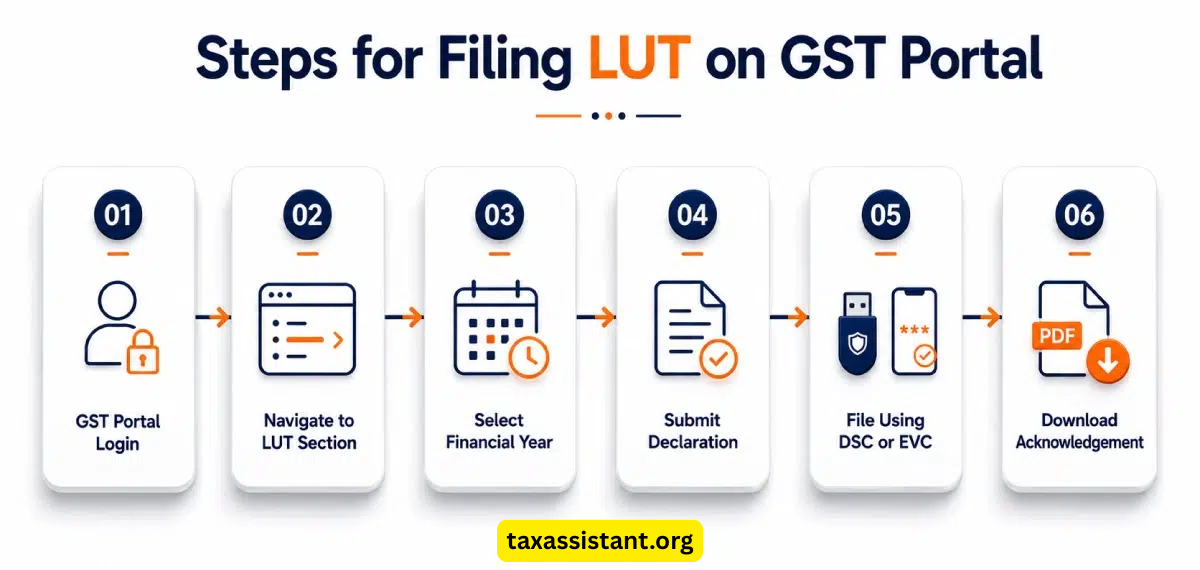
Letter of Undertaking (LUT): To legally avoid paying 18% integrated GST upfront and waiting for refunds, you must file a Letter of Undertaking (LUT) on the GST portal at the beginning of every financial year.
When is GST Registration Mandatory? If your total annual revenue (turnover) crosses ₹20 Lakhs (₹10 Lakhs in some northeastern states), obtaining a GST registration number is mandatory, even if your tax liability under the LUT remains zero.
Conclusion
Tax planning for a remote worker or freelancer does not have to be difficult. The key lies in choosing the right path—whether to utilize Section 44ADA or itemize actual business expenses—early in the year. Ensure you keep a systematic digital record of your invoices, bank statements, and business utility bills. This disciplined approach protects your hard-earned income and saves you from sudden scrutiny or income tax notices.
Answer: Yes. If your estimated net tax liability for the financial year exceeds ₹10,000 after deductions, you must pay your tax in four installments throughout the year (by June 15, September 15, December 15, and March 15) to avoid interest penalties.
Answer: If you are opting for the presumptive taxation scheme under Section 44ADA, you need to file ITR-4. If you are claiming actual business expenses and asset depreciation, you must file ITR-3.
Answer: Absolutely not. Only expenses directly, exclusively, and verifiably related to the running of your business or profession can be claimed. Filing personal expenses as business deductions is illegal and can attract heavy penalties from the Income Tax Department.
Editing by katie willimas