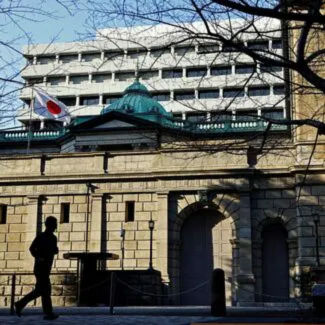
A major policy clash is brewing in Japan. A draft of the government’s new long-term economic blueprint shows Prime Minister Sanae Takaichi’s administration calling for monetary policy that actively fuels private demand. Translation: keep interest rates low.
Thank you for reading this post, don't forget to subscribe!The Core Conflict
- The Government’s Push: The blueprint explicitly urges the Bank of Japan (BOJ) to align with the administration’s growth goals, even citing legal provisions that require the central bank to coordinate with the government.
- The BOJ’s Dilemma: The BOJ has been trying to wind down its historic, years-long ultra-loose monetary policy. However, this unusually direct political pressure shows the government is getting cold feet about further rate hikes.
Why It Matters
This explicit push completely clouds the path forward for Japan’s interest rates. With the government pulling toward growth and the central bank trying to normalize policy, the timing and pace of any future rate hikes are now highly unpredictable.
Prime Minister Sanae Takaichi’s administration is highly focused on a “reflationist” growth strategy—meaning they want to aggressively boost private demand, stimulate corporate investment (especially in strategic sectors like AI and chips), and permanently keep the economy out of deflation. Because the government is planning massive fiscal spending, they prefer borrowing costs to stay as low as possible. They fear that the BOJ raising interest rates too quickly could cool down consumer spending, discourage business investments, and hurt overall economic growth.
This political pressure significantly clouds the future path of interest rates. The BOJ has been trying to normalize policy—even raising its rate to a 31-year high of 1%—to combat persistent inflation fueled by high energy costs and a weak currency. However, strong government pushback makes future hikes much more complicated and unpredictable.
While the Bank of Japan has operational independence guaranteed by law to set monetary policy, the Bank of Japan Act also contains explicit provisions stating that the BOJ must maintain close contact and coordinate its policy goals with the government. The Takaichi administration is leaning heavily on this legal mandate for “policy coordination,” using unusually direct language in its long-term economic blueprint to signal that the central bank should align its decisions with the government’s growth objectives rather than acting entirely in isolation.
Market Reacts: When this blueprint draft leaked, investors anticipated a slower pace of rate hikes. As a result, Japanese government bond yields fell, the Nikkei stock average surged over 3.5% (as businesses favor low rates), and the Japanese yen weakened further, hovering near historic lows against the US dollar.
Editing by katie willimas