A historic yet fragile 10-day ceasefire between Israel and Lebanon is officially in effect. Brokered by U.S. President Donald Trump, the agreement aims to pause the conflict that erupted on March 2nd and provide a “diplomatic window” for long-term peace negotiations.
The Details of the Deal
- Duration: A 10-day pause in hostilities, intended as a confidence-building measure.
- Security Terms: Prime Minister Netanyahu confirmed that Israeli forces will remain in southern Lebanon, maintaining a 10-kilometer (6-mile) security zone to prevent further attacks.
- Diplomatic Milestone: The truce follows the first direct diplomatic contact between Israeli and Lebanese ambassadors in decades. Both President Joseph Aoun and PM Netanyahu have been invited to the White House for further talks.
Current Situation: A “Violent” Start
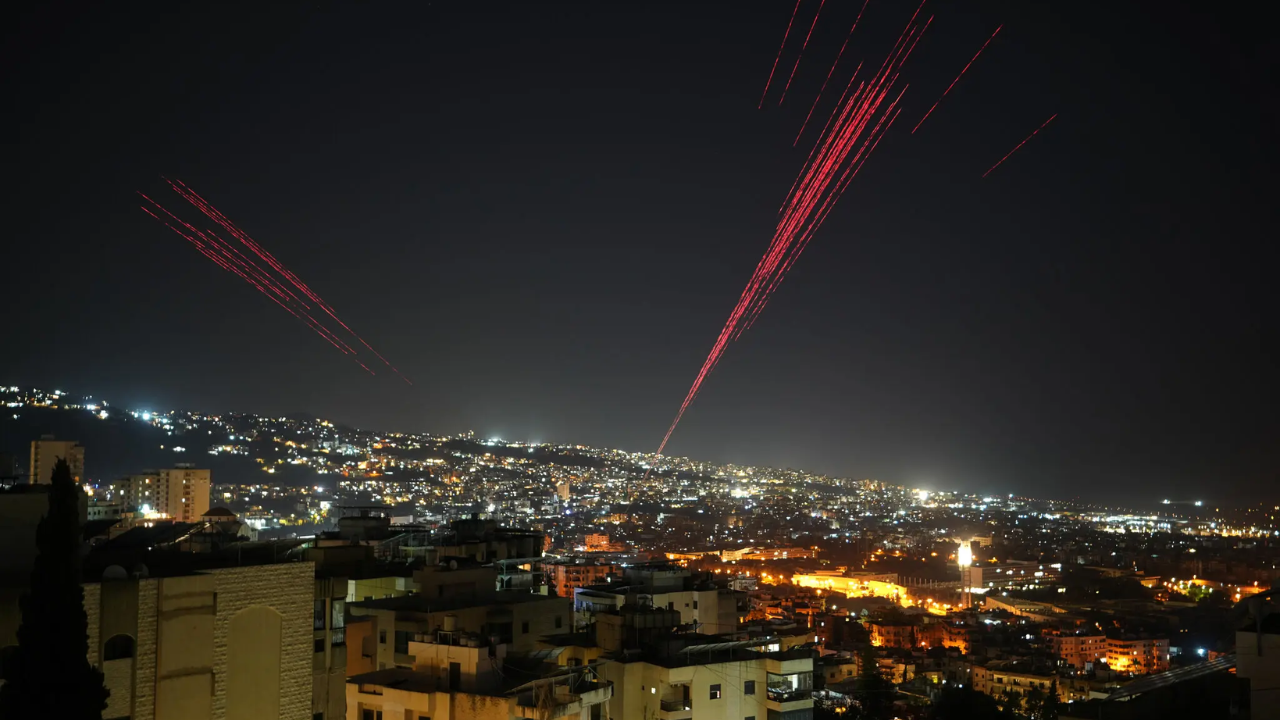
- Pre-Truce Escalation: In the final hours leading up to the deadline, Israel launched “Operation Eternal Darkness,” hitting over 150 targets across Lebanon. Hezbollah retaliated with heavy rocket fire into northern Israel, injuring civilians in Karmiel and Nahariya.
- Reports of Violations: Early this morning, the Lebanese Army reported intermittent Israeli shelling in several southern villages.
- Warning to Civilians: The Lebanese military has urged the 1.3 million displaced citizens to delay their return to southern towns, warning that the area remains a high-risk combat zone while Israeli forces are still stationed there.
The Hezbollah Contradiction
The success of the truce remains highly uncertain due to a major diplomatic rift:
- Official Exclusion: Hezbollah was not a party to the negotiations.
- Outright Rejection: Hezbollah Secretary-General Naim Qassem has condemned the talks as a “ploy” and a “free concession” to the U.S. and Israel, rejecting the demand for the group’s total disarmament.
- Lebanese Stance: The Lebanese government, led by PM Nawaf Salam, has vowed to commit to disarming the group as part of a broader settlement, though enforcement remains the primary hurdle.
Global Response
International leaders, including those from Saudi Arabia and the EU, have welcomed the reprieve. However, aid organizations like the International Rescue Committee (IRC) emphasize that 10 days is only a “vital respite” and that a permanent cessation of hostilities is the only way to resolve the deepening humanitarian crisis.
What’s Next? High-level negotiations are scheduled to continue in Washington this Tuesday. The world is watching to see if this “goodwill gesture” can survive the deep-seated tensions on the ground.

Suresh holds a Master of Commerce (M.Com) degree and is a dedicated personal finance researcher and writer. Combining his advanced academic background in commerce with deep industry research, he covers complex topics like taxation, banking systems, credit analysis, and personal finance strategies. As the founder of Tax Assistant (taxassistant.org), Suresh is committed to translating complicated financial guidelines and economic data into simple, accurate, and actionable educational resources for everyday readers.