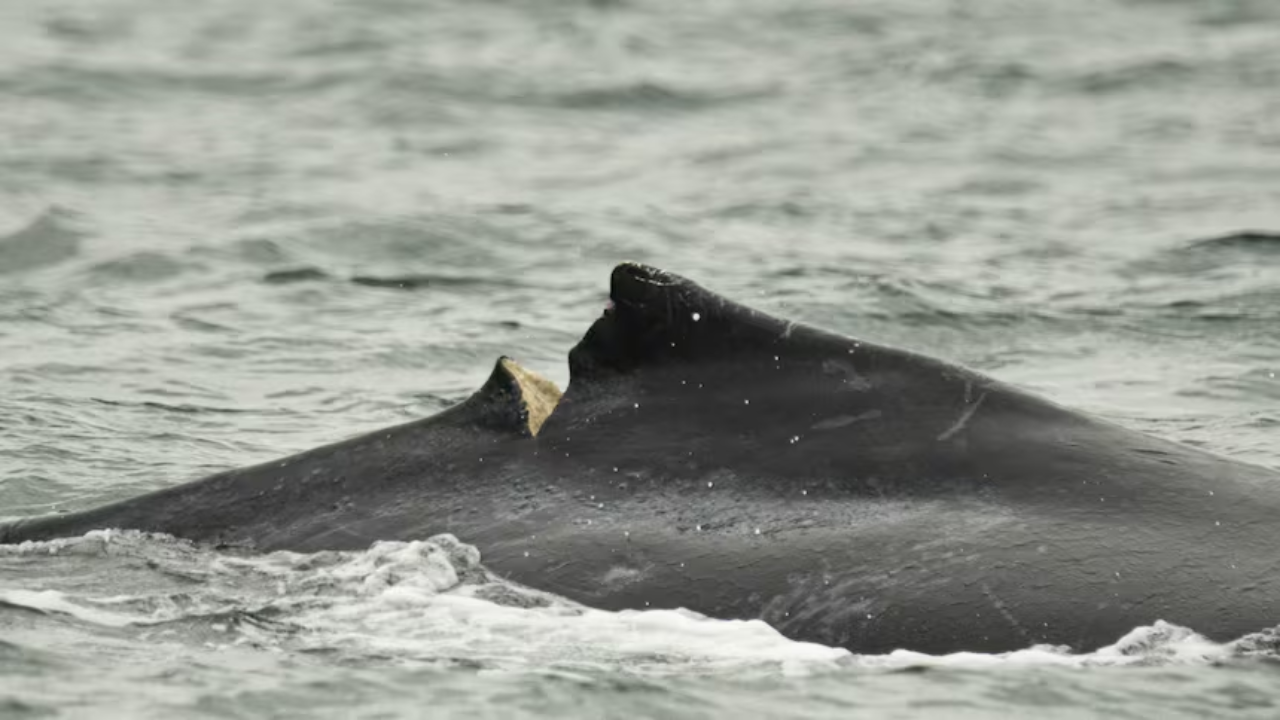
British Columbia’s transition to all-electric ferries is a massive victory for the marine “soundscape.” By eliminating the heavy thrum of diesel engines, these vessels reduce acoustic masking, allowing whales to finally hear each other over the mechanical din.
Thank you for reading this post, don't forget to subscribe!But for the local humpback population, this silence comes with a deadly catch.
The Problem with Quiet Ships
- Acoustic Camouflage: Because electric ferries are so quiet, whales often don’t perceive them as a threat.
- Increased Strike Risk: Without the low-frequency rumble of a traditional engine to alert them, humpbacks may not dive in time, leading to a higher frequency of lethal vessel strikes.
2026 Status: A Growing Collision Course
The threat to B.C. humpbacks remains high due to several factors:
- Population Density: The “Humpback Comeback” has been a success, with over 1,100 whales now documented in the Salish Sea. More whales mean a higher statistical probability of ship encounters.
- Regulatory Gaps: While orcas have strict distance protections, humpbacks lack the same level of mandatory speed and distance regulations in many B.C. corridors.
- Entanglement: Beyond ship strikes, fishing gear and “ghost nets” continue to be a leading cause of slow-moving mortality for the species.
The Path Forward: Detection over Decibels
Since silence can be a “silent killer,” the industry is shifting its focus toward active detection. Modern ferries are beginning to implement:
- AI-Driven Thermal Imaging: Systems that can spot a whale’s “blow” or dorsal fin miles away, even at night.
- Real-Time Alert Networks: Expanding the Whale Report Alert System (WRAS) to ensure commercial pilots know exactly where a pod is surfacing.
The Bottom Line: Electric ferries solve the noise pollution crisis, but they don’t solve the physical space crisis. For B.C. humpbacks to truly thrive, the solution isn’t just making ships quieter—it’s making them slower and smarter.

"Suresh Kumar Saini is an experienced Tax Assistant and finance writer. He specializes in US & Canada Tax Guide, Indian Income Tax laws, GST compliance, and personal finance, helping freelancers and remote workers optimize their taxes."