The prospects for peace are dimming as the Islamabad Summit, scheduled for tomorrow, Tuesday, April 21, hangs in the balance. Following a weekend of renewed naval combat and the closure of the world’s most vital oil artery, the second round of U.S.-Iran negotiations is facing a potential collapse.
Thank you for reading this post, don't forget to subscribe!A Weekend of Escalation
The diplomatic momentum gained last week was shattered over the weekend by two major events:
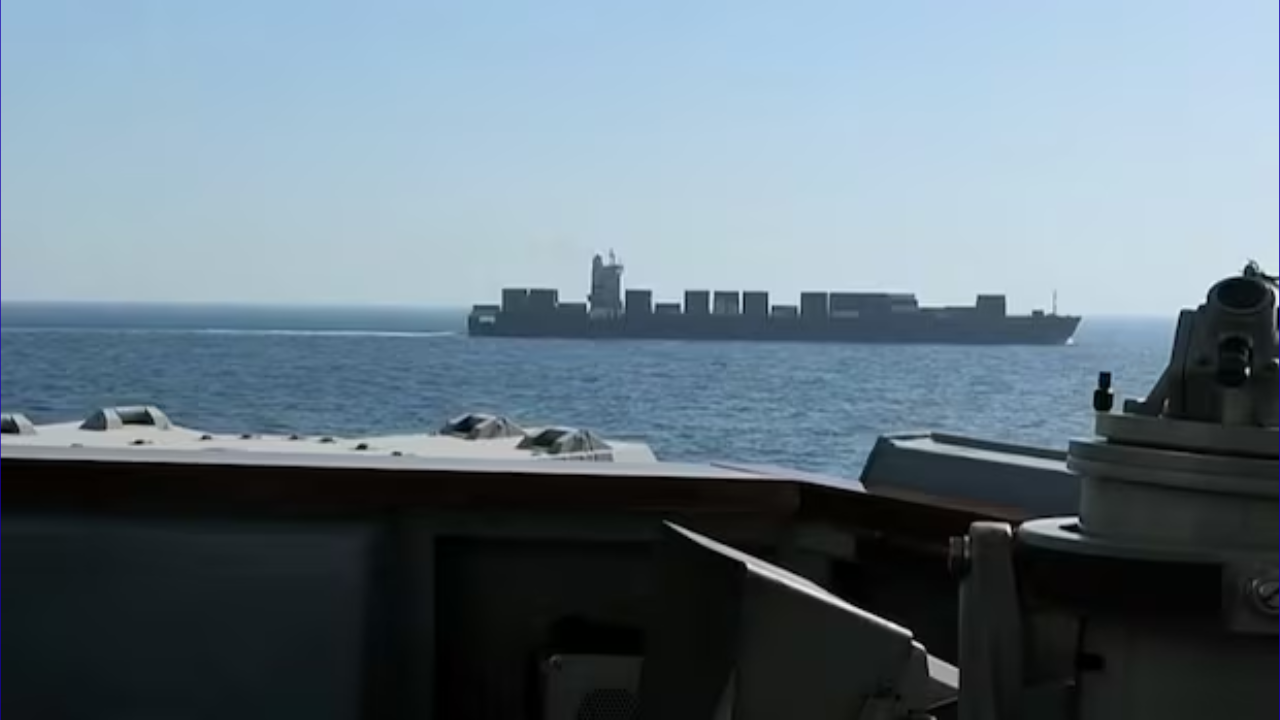
- The U.S. Seizure: American naval forces intercepted and boarded an Iranian cargo ship, citing a breach of the ongoing blockade.
- Iranian Retaliation: The IRGC responded by shuttering the Strait of Hormuz and firing upon merchant vessels. Tehran has officially labeled the U.S. actions as “piracy,” while Washington maintains the seizure was a necessary enforcement of maritime security.
Current Stance of the Players
As of today, Monday, April 20, the situation remains highly volatile:
- The Iranian Delegation: After initially threatening to boycott the talks due to U.S. “bad faith,” Tehran is reportedly reconsidering. A final decision on whether their representatives will travel to Pakistan is expected within the hour.
- The U.S. Delegation: Vice President JD Vance and the American team are currently en route to Islamabad. President Trump has signaled that the naval blockade will not be lifted until Iran agrees to permanent concessions regarding the Strait.
- The Host: Pakistan remains in a difficult position, urging both sides to honor the meeting to prevent the regional ceasefire from expiring this Wednesday.
The Economic & Human Toll
The impact of this renewed friction is being felt globally and locally:
- Oil Markets: Crude prices surged by 6% today, hitting $96.50 per barrel as traders react to the Strait’s closure.
- Casualties: The human cost of the conflict, which began on February 28, continues to climb. Iranian reports now estimate over 3,375 deaths since the start of the hostilities.
The “Open for Open” Stumbling Block
The core of the disagreement remains the “Open for Open” proposal. The U.S. is offering to end the blockade of Iranian ports only if Iran provides a permanent, verified guarantee for the free flow of international shipping through the Strait. Without a breakthrough tomorrow, the region risks sliding back into full-scale kinetic conflict.

"Suresh Kumar Saini is an experienced Tax Assistant and finance writer. He specializes in US & Canada Tax Guide, Indian Income Tax laws, GST compliance, and personal finance, helping freelancers and remote workers optimize their taxes."