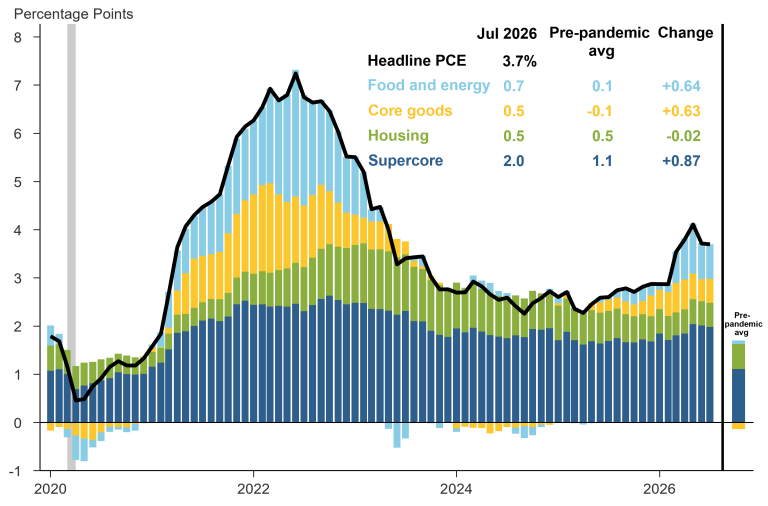
Every year, the IRS adjusts tax thresholds to account for inflation. This prevents bracket creep—where inflation pushes you into a higher tax group even if your actual purchasing power hasn’t changed.
For Tax Year 2026 (taxes filed in early 2027), thresholds have risen by an average of 2.7%. While the seven marginal rates stay the same (10% to 37%), the income windows for each have expanded.
2026 Income Tax Brackets
Single Filers
| Tax Rate | 2025 Taxable Income | 2026 Taxable Income |
|---|---|---|
| 10% | $0 to $11,925 | $0 to $12,400 |
| 12% | $11,926 to $48,475 | $12,401 to $50,400 |
| 22% | $48,476 to $103,350 | $50,401 to $105,700 |
| 24% | $103,351 to $197,300 | $105,701 to $201,775 |
| 32% | $197,301 to $250,525 | $201,776 to $256,225 |
| 35% | $250,526 to $626,350 | $256,226 to $640,600 |
| 37% | Over $626,350 | Over $640,600 |
Married Filing Jointly
| Tax Rate | 2025 Taxable Income | 2026 Taxable Income |
|---|---|---|
| 10% | $0 to $23,850 | $0 to $24,800 |
| 12% | $23,851 to $96,950 | $24,801 to $100,800 |
| 22% | $96,951 to $206,700 | $100,801 to $211,400 |
| 24% | $206,701 to $394,600 | $211,401 to $403,550 |
| 32% | $394,601 to $501,050 | $403,551 to $512,450 |
| 35% | $501,051 to $751,600 | $512,451 to $768,700 |
| 37% | Over $751,600 | Over $768,700 |
Higher Standard Deductions for 2026
Before your income is even taxed, a larger portion is shielded completely. The standard deduction has increased across all filing statuses:
- Single Filers: $16,100 (up from $15,750)
- Married Filing Jointly: $32,200 (up from $31,500)
- Head of Household: $24,150 (up from $23,625)
What This Means for Your Wallet
The Takeaway: If your income remains the same in 2026 as it was in 2025, you will owe less in federal income taxes.
Because the brackets have expanded, more of your money falls into lower tax tiers. For example, a single filer earning $50,000 will see a portion of their income drop from the 22% bracket down to the 12% bracket.
- If your salary matches inflation: Your purchasing power is protected, and you won’t be penalized with a higher tax rate.
- If you get a major raise: If your income grows significantly faster than 2.7%, you may still climb into the next tax bracket.
No. The tax return you file in early 2026 is for money you earned during Tax Year 2025. The new, inflation-adjusted brackets outlined above apply to income you earn throughout Tax Year 2026. You will use these specific tiers when you file your tax return in early 2027.
No, federal income taxes are progressive. Moving into a higher bracket only means your highest dollars are taxed at that new rate.
For example, if you are a single filer in 2026 with a taxable income of $60,000, your income is broken into chunks:
The first $12,400 is taxed at 10%.
The next chunk up to $50,400 is taxed at 12%.
Only the remaining amount over $50,400 (the last $9,600) is taxed at 22%.
You will likely see a small increase in your monthly paychecks starting in January 2026. Because the IRS updates its withholding tables to reflect the wider brackets and higher standard deduction, employers will withhold slightly less federal tax from your pay, assuming your salary remains the same.

Suresh holds a Master of Commerce (M.Com) degree and is a dedicated personal finance researcher and writer. Combining his advanced academic background in commerce with deep industry research, he covers complex topics like taxation, banking systems, credit analysis, and personal finance strategies. As the founder of Tax Assistant (taxassistant.org), Suresh is committed to translating complicated financial guidelines and economic data into simple, accurate, and actionable educational resources for everyday readers.