The Internal Revenue Service (IRS) has finalized the official reporting compliance parameters regarding the IRS Form 1099-INT rules for the current fiscal period. As millions of American taxpayers look to maximize their earnings through high-yield savings marketplace platforms and banking instruments, understanding how financial custodians document annual interest income is essential to avoid unexpected federal collection penalties.
Failing to verify these institutional forms against your personal ledgers can trigger automated audit screening patterns within federal data tracking channels during the upcoming tax filing season.
Identifying the Reporting Thresholds for Traditional Bank Accounts
Unlike standard investment distributions, Form 1099-INT is generated directly by your banking custodian—such as Chase, Capital One, or online savings platforms—rather than the individual taxpayer. The federal government enforces strict reporting limits based on gross asset payouts.
- The $10 Minimum Limit: Financial institutions are legally required to issue Form 1099-INT once your total interest earned across the calendar year hits $10 or more.
- Taxable vs. Exempt Interest: Box 1 explicitly records your standard taxable interest, while Box 3 documents savings interest from U.S. Savings Bonds and Treasury obligations.
- Foreign Banking Frameworks: International financial holdings must satisfy secondary reporting tests, as non-U.S. accounts face distinct compliance thresholds under global disclosure acts.
Step-by-Step Compliance to Avoid IRS Audit Flags
Accurately transfering your annual banking yields requires a structured auditing routine before submitting your global tax return. Tax professional boards recommend a simple validation process upon receiving the form:
- Reconcile Your Year-End Statements: Cross-reference the gross interest value listed in Box 1 against your monthly bank statements to ensure accounting precision.
- Consolidate Multiple Bank Forms: If you utilize specialized marketplaces to capture high yields across separate regional banks, make sure to gather individual forms from each partner entity.
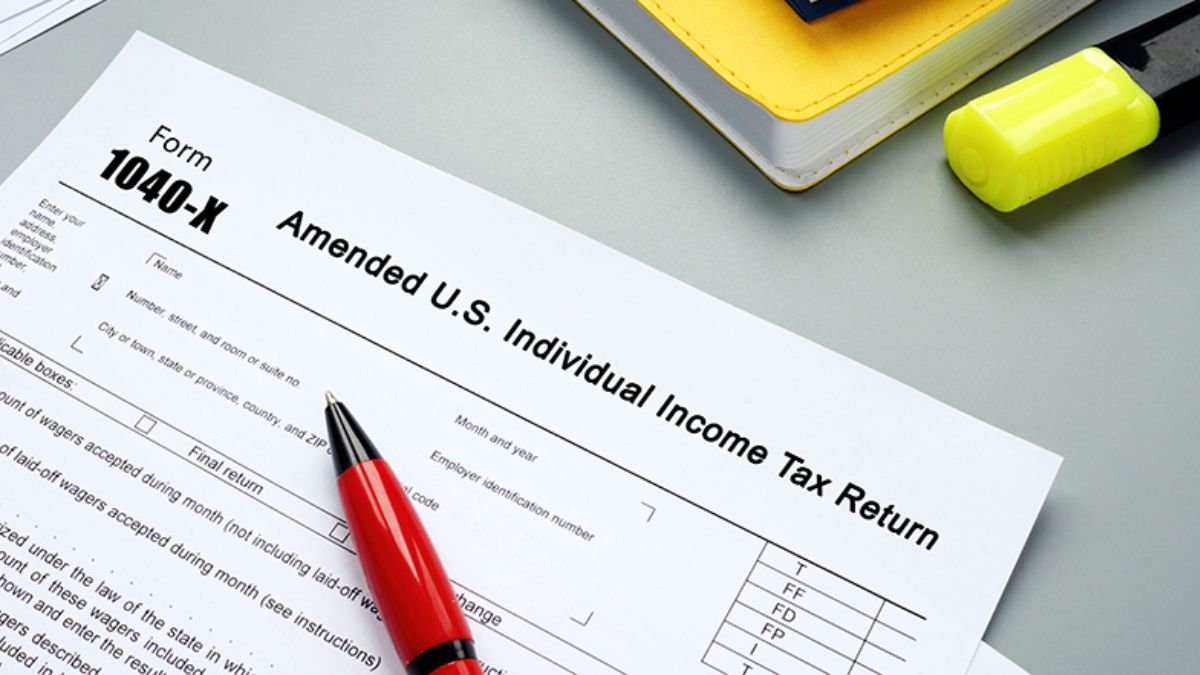
- Report Correctly on Form 1040: Transfer these interest details accurately onto Schedule B (Interest and Ordinary Dividends) if your total annual taxable interest income exceeds $1,500.
Banks and financial institutions are only legally required to generate and send you a Form 1099-INT if your account earned $10 or more in interest over the calendar year.
If your account earned less than $10 (for example, $4.50), the bank simply saves on paperwork by not issuing the form. However, the IRS still considers every penny of interest to be taxable income. You are legally required to track down your year-end bank statements, find your total interest earned, and manually report it on line 2b of your Form 1040.
No, the threshold for Form 1099-INT remains unchanged at $10.
While it’s true that the One Big Beautiful Bill Act significantly changed the tax landscape by raising the reporting threshold from $600 to $2,000, that change strictly applies only to Form 1099-NEC (Nonemployee Compensation) and Form 1099-MISC (Miscellaneous Information).
The IRS purposefully left investment and investment-adjacent information returns untouched. Therefore, Form 1099-INT (Interest), Form 1099-DIV (Dividends), and Form 1099-R (Retirement Distributions) all rigidly maintain their traditional, ultra-low $10 reporting threshold for the 2026 tax year.

Suresh holds a Master of Commerce (M.Com) degree and is a dedicated personal finance researcher and writer. Combining his advanced academic background in commerce with deep industry research, he covers complex topics like taxation, banking systems, credit analysis, and personal finance strategies. As the founder of Tax Assistant (taxassistant.org), Suresh is committed to translating complicated financial guidelines and economic data into simple, accurate, and actionable educational resources for everyday readers.