The Internal Revenue Service (IRS) has rolled out finalized structural updates regarding the IRS Form 1099-K threshold rules for the current fiscal period . As digital transactions continue to dominate commerce, independent contractors, freelancers, and online sellers utilizing platforms like PayPal, Venmo, and Stripe must prepare for enhanced oversight on gross third-party network transactions.
Understanding these updated reporting limitations is essential to avoid unexpected tax liabilities, processing holds, or audits from federal collection agencies during the upcoming tax filing season.
Clarifying the New Reporting Limits for Third-Party Networks
For several years, the transition toward a lower reporting ceiling created significant confusion among digital payment users . The IRS implemented a phased rollout to give taxpayers adequate preparation windows, establishing the definitive reporting framework active for 2026 transactions.
. The Phased Threshold: Third-party settlement organizations are legally required to issue Form 1099-K once gross payment volumes hit the designated phase-in limit of $5,000, stepping away from the legacy $20,000 requirement.
.Transaction Counts: Unlike the older regulatory framework, there is no longer a minimum threshold of 200 individual transactions required to trigger automated form generation.
.Exempted Exchanges: Peer-to-peer personal transfers—such as splitting dinner bills, birthday gifts, or personal reimbursements between friends and family—remain completely non-taxable and exempt from reporting.
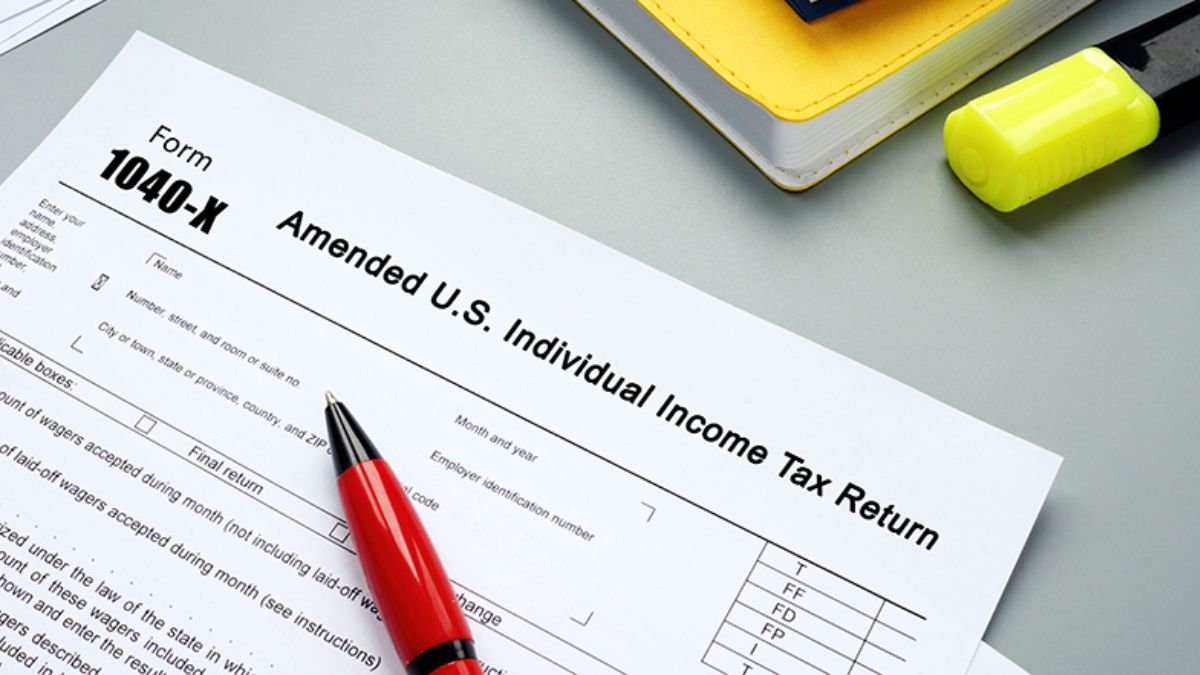
What to Do If You Receive an IRS Form 1099-K
If your digital sales or business transactions cross the statutory limitations, PayPal or Venmo will deliver an official informational copy to both you and the IRS. Tax professionals recommend a careful, step-by-step review process upon receipt:
1. Reconcile Your Books: Cross-reference the gross value reported on the form against your internal bank deposits and transaction ledgers to ensure accuracy.
2. Deduct Business Expenses: Keep meticulous receipts for shipping fees, transaction processing costs, packaging, and wholesale inventory to offset your gross reported income.
3. Report Correctly on Form 1040: Self-employed business owners must transfer these details accurately onto Schedule C (Profit or Loss From Business) to calculate precise net obligations.
Answer: Under the federal rules permanently restored by the One Big Beautiful Bill Act (OBBBA), you will not receive a Form 1099-K.
To trigger a federal 1099-K from a third-party app like PayPal or Venmo, your account must clear both requirements simultaneously. If you sell a single high-value item (like a used car or a piece of jewelry) for $22,000, you have met the dollar limit but only have 1 transaction. Because you did not clear the 200-transaction barrier, the platform will not federally report that sale.
The State Exception: Keep in mind that individual state laws completely override this. If you live in a state like Maryland, Massachusetts, Vermont, or Virginia, their local threshold is a flat $600 with no transaction minimum. In those states, you would still receive a form for state tax reporting.

Suresh holds a Master of Commerce (M.Com) degree and is a dedicated personal finance researcher and writer. Combining his advanced academic background in commerce with deep industry research, he covers complex topics like taxation, banking systems, credit analysis, and personal finance strategies. As the founder of Tax Assistant (taxassistant.org), Suresh is committed to translating complicated financial guidelines and economic data into simple, accurate, and actionable educational resources for everyday readers.