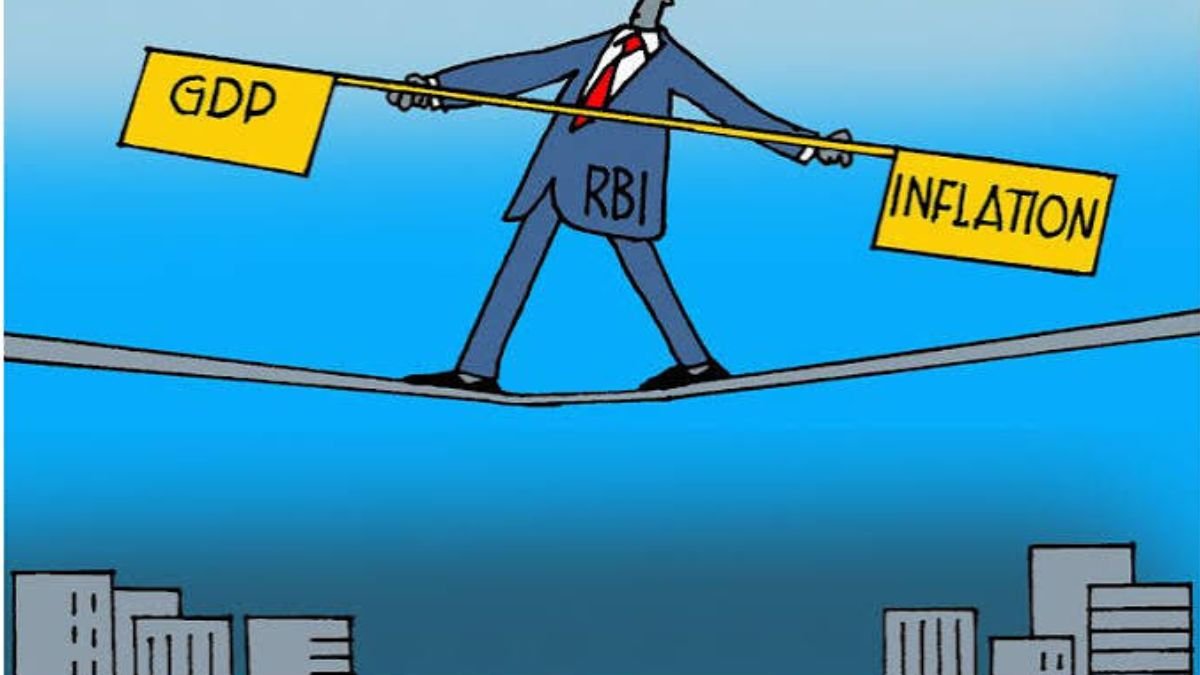
Market volatility has surged as investors brace for the Federal Reserve’s upcoming interest rate stance. Technology and semiconductor stocks, which have heavily driven recent market momentum, are experiencing sharp swings as Wall Street balances high growth expectations against macroeconomic pressures.
Three factors are driving this preemptive market anxiety:
- Valuation Reality Checks: High-flying artificial intelligence (AI) and chip stocks are facing heightened scrutiny. Investors are increasingly questioning whether the massive capital expenditures pouring into data centers and AI infrastructure will yield near-term profits quick enough to justify peak valuations.
- The Federal Reserve’s Tone: Under the leadership of Fed Chair Kevin Warsh, the central bank has maintained a relatively hawkish posture. While the broader market is trying to gauge if rates will remain on hold, any lingering threat of prolonged high interest rates heavily pressures growth-oriented sectors like technology.
- Bond Market Signals: The 10-year Treasury yield hovering around 4.48% reflects a complex economic backdrop. When yields climb, they often act as a gravity well for tech stocks, as higher borrowing costs dilute the value of future corporate earnings.
With major corporate earnings reports on the horizon and the highly anticipated release of the latest Fed minutes, the tech sector remains highly sensitive to any shifts in monetary policy.
For a deeper dive into the macroeconomic landscape and monetary policy shifts under the central bank’s current leadership, you can watch this analysis on Fed Chair Kevin Warsh’s global economic policy discussion at the ECB Forum.

Suresh holds a Master of Commerce (M.Com) degree and is a dedicated personal finance researcher and writer. Combining his advanced academic background in commerce with deep industry research, he covers complex topics like taxation, banking systems, credit analysis, and personal finance strategies. As the founder of Tax Assistant (taxassistant.org), Suresh is committed to translating complicated financial guidelines and economic data into simple, accurate, and actionable educational resources for everyday readers.