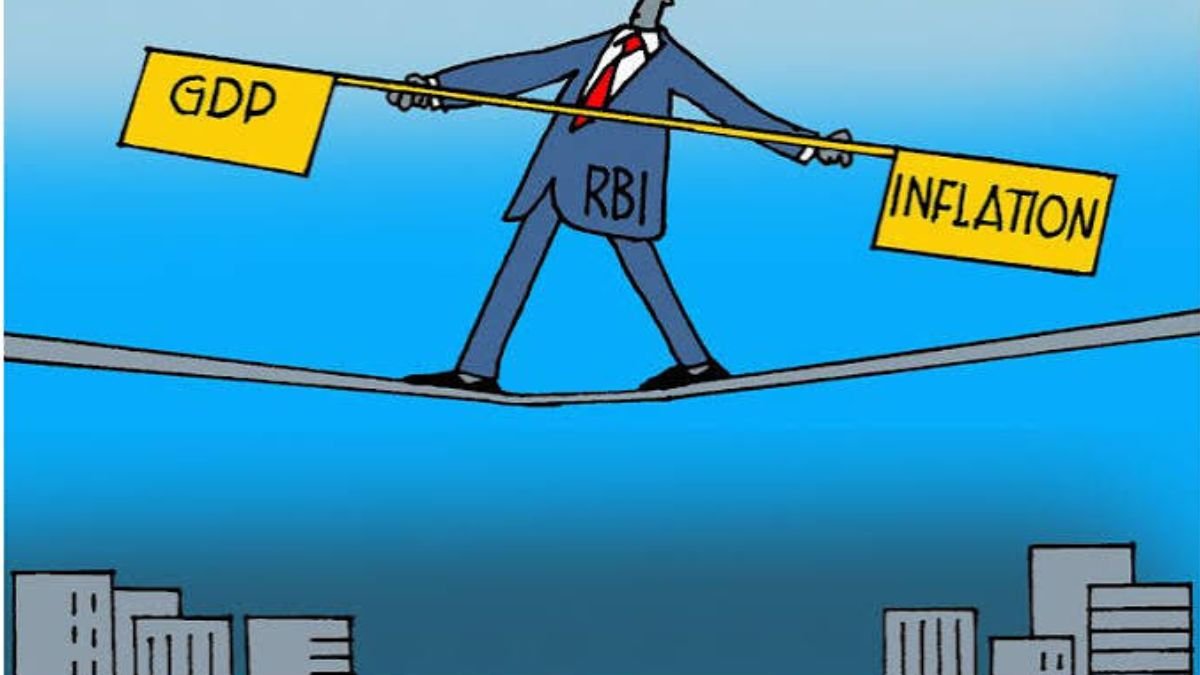
The global economy is currently locked in a delicate balancing act. After a period of cooling prices, fresh geopolitical friction and shifting energy markets have kept central banks on high alert. The era of cheap money remains on pause, and the mantra for most policymakers is “higher for longer.”
To understand how your country compares, it helps to look at the relationship between inflation (how fast prices are rising) and interest rates (the primary tool used to cool those prices down).
The Central Bank Mechanics: When inflation climbs past the traditional 2% target, central banks raise interest rates. This makes borrowing money for mortgages, credit cards, and business loans more expensive. By intentionally slowing down consumer spending and business expansion, demand drops, forcing prices to stabilize.
Global Tracker: How Countries Compare
The global landscape is highly divided. While some nations have successfully brought prices under control, others are experiencing sticky service costs or hyper-volatility.
| Country / Region | Central Bank Rate | Latest Inflation | The Economic Verdict |
| United States | 3.75% | 3.8% | Sticky. Resilient consumer spending keeps the Fed from cutting rates. |
| Euro Area | 2.15% | 3.2% | Vigilant. Shifting regional energy costs keep the ECB cautious. |
| United Kingdom | 3.75% | 2.8% | Balanced. Steady holding pattern while monitoring core services. |
| India | 5.25% | 3.48% | Stable. Inflation is hovering safely within target comfort zones. |
| Australia | 4.35% | 4.2% | Hawkish. Stubborn domestic costs have prompted recent rate hikes. |
| Japan | 0.75% | 1.4% | Normalizing. Gradually pivoting away from decades of ultra-low rates. |
| Brazil | 14.50% | 4.39% | Aggressive. High real rates are being held to lock down long-term stability. |
| Türkiye | 37.00% | 32.37% | Hyper-Volatile. Deep into an intense economic tightening cycle. |
| Switzerland | 0.00% | 0.6% | Ultra-Low. Continues to boast the lowest inflation in the developed world. |
Why the Outlook Shifted
The economic conversation has shifted. The market consensus was heavily focused on how fast central banks would cut rates. However, supply chain bottlenecks and accelerating factory output have put renewed upward pressure on core goods.
As a result, major institutions like the Federal Reserve have hit the pause button on rate cuts, and some global economies are even signaling a return to tightening if price pressures refuse to budge.
Which specific country or region’s economic data would you like to explore in more detail?

Suresh holds a Master of Commerce (M.Com) degree and is a dedicated personal finance researcher and writer. Combining his advanced academic background in commerce with deep industry research, he covers complex topics like taxation, banking systems, credit analysis, and personal finance strategies. As the founder of Tax Assistant (taxassistant.org), Suresh is committed to translating complicated financial guidelines and economic data into simple, accurate, and actionable educational resources for everyday readers.