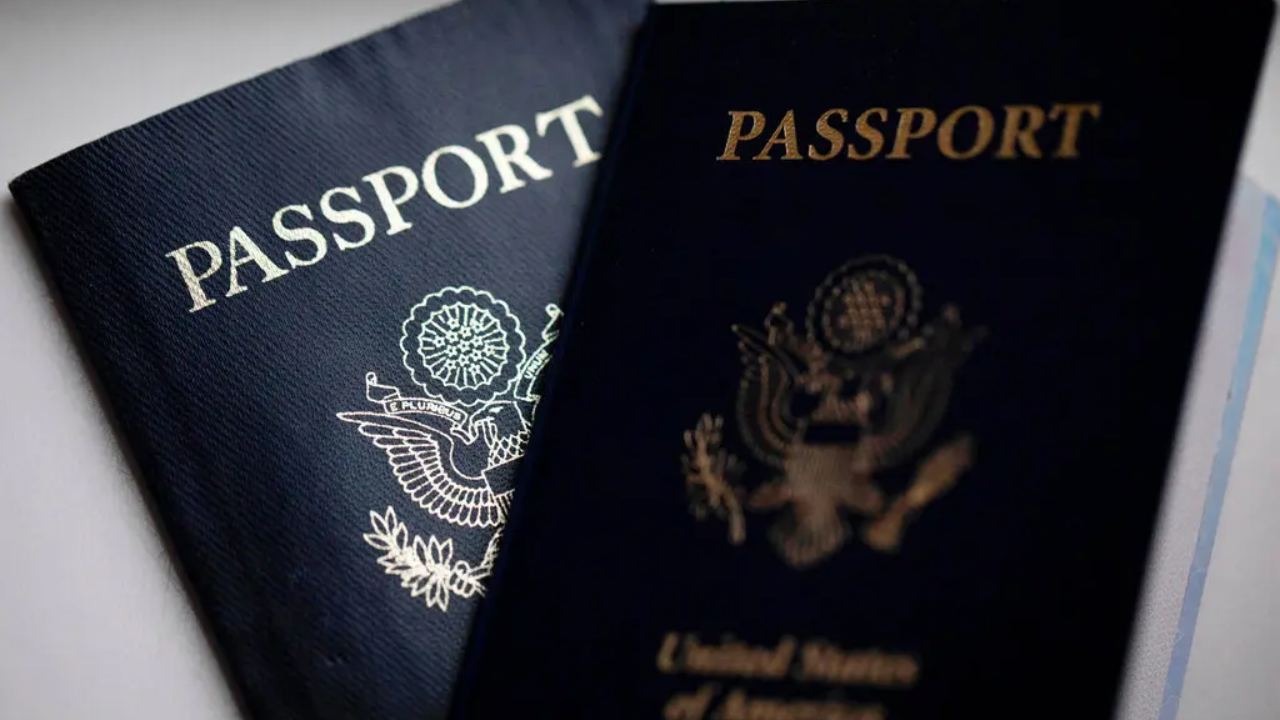
The U.S. State Department is shifting its strategy regarding unpaid child support. Moving beyond simply denying new applications, the federal government is now actively revoking the current, valid passports of parents who are significantly behind on payments.
How the Process Works
Historically, passport restrictions were “passive”—your debt was only checked when you applied for a renewal. Under the new protocol, the State Department proactively cancels existing passports by cross-referencing debt records with the Department of Health and Human Services (HHS).
- The Debt Limit: By law, any individual owing more than $2,500 in child support is eligible for passport denial or revocation.
- The Initial Wave: Enforcement is starting with a high-priority group: approximately 2,700 individuals who owe $100,000 or more.
- Expansion: The program is expected to scale quickly to include all delinquent parents above the $2,500 threshold.
Consequences for International Travel
If a passport is revoked, it is immediately invalidated for international use.
- At the Border: You will be unable to clear customs or board international flights.
- If You Are Currently Abroad: You must visit a U.S. embassy or consulate. You will typically be issued a limited-use emergency passport solely for the purpose of returning to the U.S.
- Identification: While it may still work as a photo ID for domestic flights (until the physical expiration date), it is no longer a legal travel document.
How to Restore Eligibility
Revocation is not permanent, but it is not automatic. To regain travel privileges, you must:
- Settle the Debt: Contact the specific state child support agency to pay the arrears or establish an approved payment plan.
- Clear the Record: The state must notify HHS, which then updates the federal Passport Denial Program list.
- Reapply: Once cleared, you must start the passport application process from scratch, including paying all standard fees.
Proactive Tip: To avoid revocation, it is critical to address arrears with your state agency before they refer your case to the federal government.

Suresh holds a Master of Commerce (M.Com) degree and is a dedicated personal finance researcher and writer. Combining his advanced academic background in commerce with deep industry research, he covers complex topics like taxation, banking systems, credit analysis, and personal finance strategies. As the founder of Tax Assistant (taxassistant.org), Suresh is committed to translating complicated financial guidelines and economic data into simple, accurate, and actionable educational resources for everyday readers.