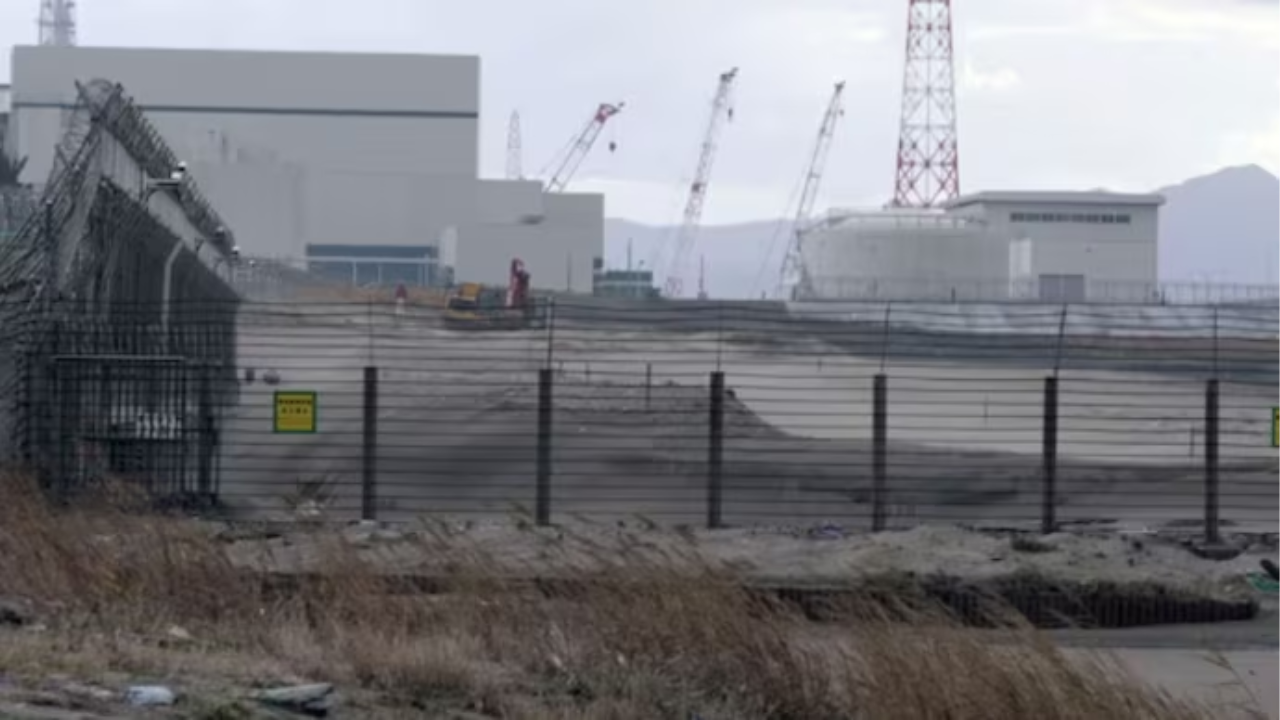
The enormous Kashiwazaki-Kariwa Nuclear Power Plant, the world’s largest, is poised for a partial revival as the Niigata regional assembly prepares for a critical vote by December 22, 2025. This decision on restarting Unit 6, operated by Tokyo Electric Power Co. (TEPCO), comes over a decade after the 2011 Fukushima disaster, which forced all of Japan’s reactors offline.
Thank you for reading this post, don't forget to subscribe!The Push for Restart
- Energy Security and Demand: The central government and Prime Minister Sanae Takaichi are strongly pushing for nuclear restarts. Japan, poor in resources, relies heavily on imported fossil fuels for 60-70% of its electricity. Restarting Unit 6 is seen as crucial for strengthening energy independence and meeting rising power demand, fueled by the expansion of data centers and AI industries.
- TEPCO’s Commitment: TEPCO President Tomiaki Kobayakawa emphasized the necessity of nuclear power for Japan and highlighted ongoing safety upgrades, noting the 1,356-megawatt Unit 6 could boost the Tokyo region’s electricity supply by about 2%. TEPCO hopes to restart the unit in January 2026 if local approval is secured.
Local Anxiety and Key Concerns
The quiet coastal region, encompassing Kashiwazaki city and Kariwa village, is grappling with deep-seated safety fears.
- Evacuation is Paramount: Local assembly members, like Yukihiko Hoshino, stressed that evacuation capability is the single biggest concern for the roughly 80,000 residents. The lingering issues from Fukushima—where some residents have yet to return home—underscore the local skepticism.
- TEPCO’s History: The fact that TEPCO, the operator of the crippled Fukushima Daiichi site, is seeking its first reactor revival since the 2011 accident adds to the sensitivity and scrutiny of the decision.
The Final Hurdles
While 14 of Japan’s remaining 33 viable reactors have been restarted, the fate of Kashiwazaki-Kariwa, specifically Unit 6 (and potentially Unit 7), now rests with the Niigata assembly. The vote is scheduled before the session concludes on December 22, setting the stage for what could be a historic moment in Japan’s energy policy shift.