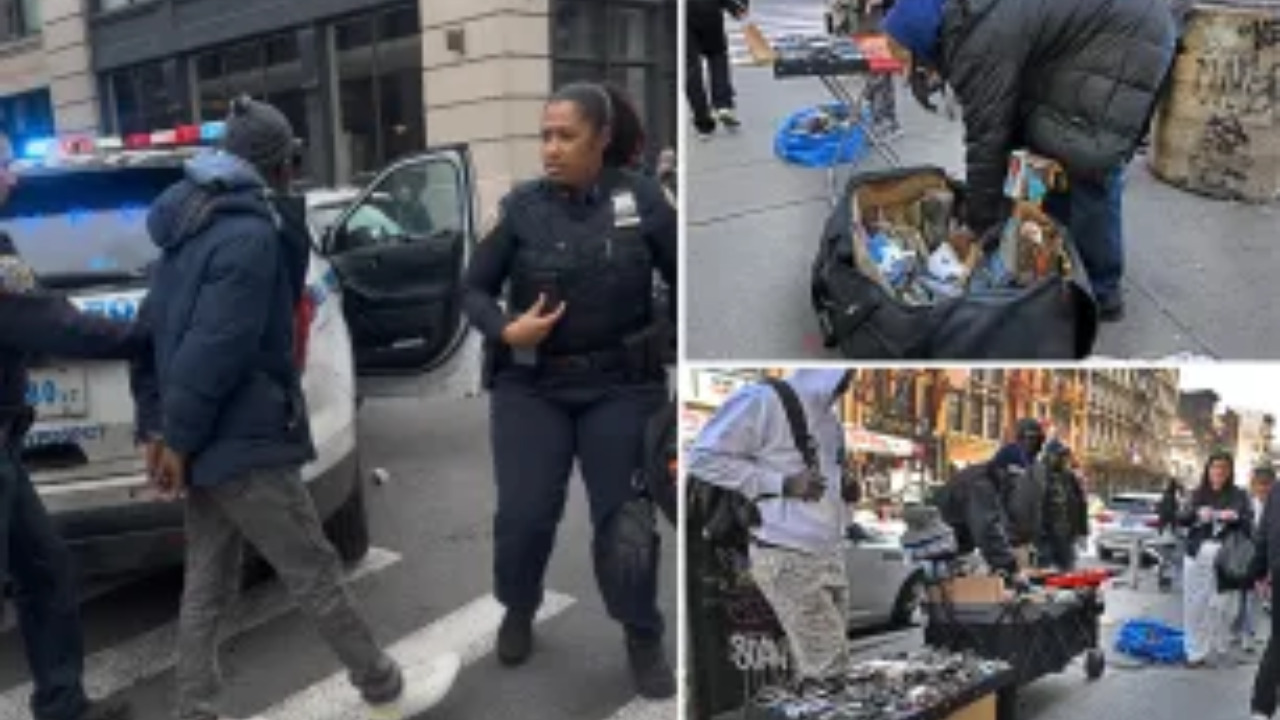
Months after the high-profile ICE interventions in late 2025, the sidewalks of NYC’s Chinatown have reverted to a familiar, frantic equilibrium. Despite aggressive federal and local enforcement, the “cat-and-mouse” dynamic has evolved into a sophisticated game of urban survival.
The Tactical Evolution
The enforcement vacuum created after the October raids didn’t stay empty for long. Vendors have transitioned from static setups to high-mobility operations.
- Digital Spotters: Utilizing encrypted messaging and real-time community alerts, vendors are often packed and gone minutes before enforcement units turn the corner.
- The Shelter Factor: As NYC’s migrant shelter limits tighten, the “risk-to-reward” ratio has shifted. For many, the threat of a civil summons is outweighed by the immediate necessity of funding basic needs.
The Regulatory Friction
While the city recently passed Local Law 54 to decriminalize many vending infractions, the legislation has created a “grey zone”:
- Civil vs. Criminal: Shifting from misdemeanors to civil fines was intended to protect individuals from deportation triggers, but critics argue it has removed the “teeth” from enforcement, leading to the current “swarm” effect.
- The License Bottleneck: With thousands on the waitlist and only a few hundred new permits planned for 2027, the legal path remains a statistical impossibility for the majority of current street sellers.
A Neighborhood Under Pressure
Chinatown remains at a breaking point between three competing interests:
- Local Businesses: Brick-and-mortar owners argue that unregulated sidewalk congestion blocks storefronts and creates unfair competition.
- Advocacy Groups: Organizations like the Street Vendor Project argue that the current crackdown is a “war on the poor” that ignores the root causes of the migrant crisis.
- Public Safety: Residents express growing concerns over sidewalk accessibility and the aggressive nature of the “influencer” culture that now films these raids for social media engagement.
The Bottom Line: The “cat-and-mouse” game isn’t just about counterfeit handbags anymore; it is a visible symptom of NYC’s broader struggle with immigration, housing, and the limits of municipal regulation in 2026.

Suresh holds a Master of Commerce (M.Com) degree and is a dedicated personal finance researcher and writer. Combining his advanced academic background in commerce with deep industry research, he covers complex topics like taxation, banking systems, credit analysis, and personal finance strategies. As the founder of Tax Assistant (taxassistant.org), Suresh is committed to translating complicated financial guidelines and economic data into simple, accurate, and actionable educational resources for everyday readers.