When times are tough, splurging on a lavish vacation or dinner at a nice restaurant may not be in the budget. But many Americans are still finding ways to treat themselves when cash is tight.
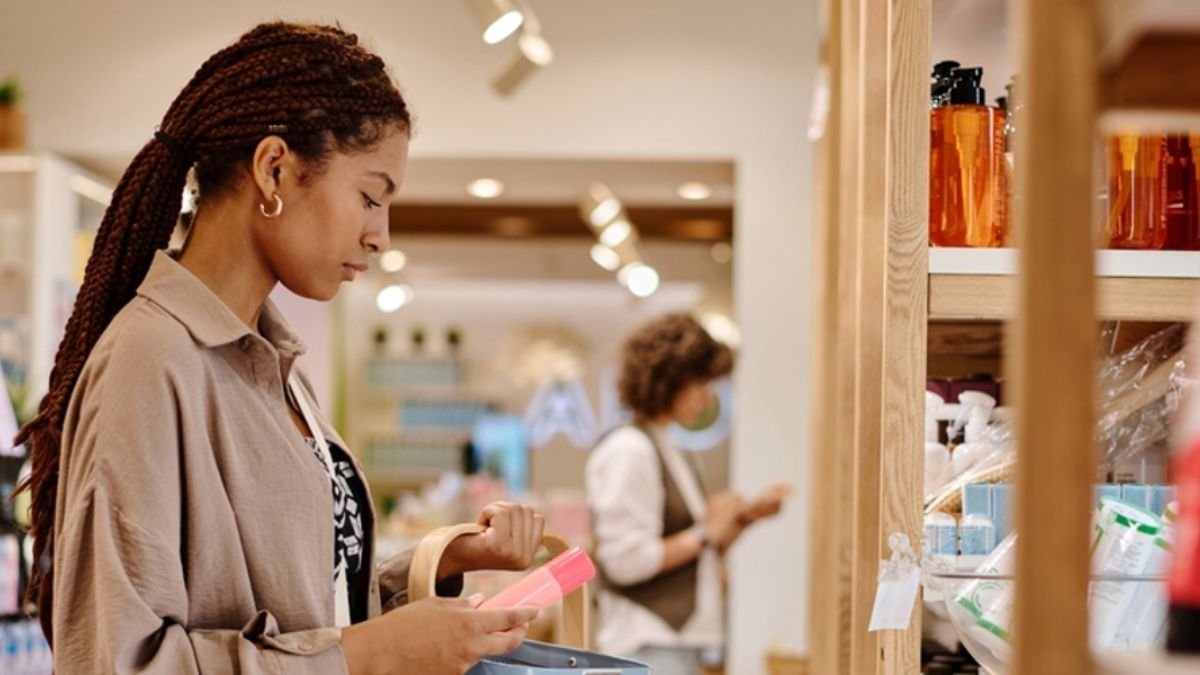
“Treatonomics” — a new-age term for an age-old habit — was coined by social media users to describe the trend of consumers justifying small treats amid economic uncertainty. Think: $9 lattes, fancy candles, and high-end lip gloss.
These small splurges are meant to provide a mood boost when your financial situation is otherwise stressful. They may not necessarily break the bank, but they can be detrimental if left unchecked.
What’s fueling the treatonomics trend?
Treatonomics is really just a rebranded version of the “lipstick effect,” or the theory that during economic downturns, sales for affordable luxuries such as lipstick, nail polish, and perfume typically increase.
It may seem counterproductive to splurge on nonessential cosmetics if you’re struggling to make ends meet. However, experts say the phenomenon stems from a common psychological need.
“When financial uncertainty is high and the things we truly want feel out of reach, we find ways to create small pockets of prosperity for ourselves,” said Ruchi Pinniger, CEO and founder of Watch Her Prosper, a financial mentorship program. “It is less about the purchase and more about the feeling — the momentary sense that life is still good, still full, still worth enjoying, even when the bigger picture feels heavy.”
Right now, many Americans share negative views of the state of the economy. A July Pew Research Center report found that just a quarter of Americans (24%) rate economic conditions in the country today as excellent or good. Meanwhile, 41% say they are only fair, and 35% describe them as poor.
Another Gallup survey found that 55% of Americans say their finances are getting worse, citing inflation and high prices as top concerns.
Still, younger consumers in particular are continuing to treat themselves.
According to a 2026 report from Bank of America, 92% of Gen Z regularly treat themselves, whether to cheer themselves up on a bad day or celebrate a good one. In fact, over half of Gen Z respondents treat themselves every week or more. That’s compared to 45% of millennials, 38% of Gen Xers, and 32% of baby boomers.
Are small treats really harmless?
In theory, a small treat here and there shouldn’t put a major dent in your budget or get in the way of your long-term goals. However, when you’re chasing the thrill of a purchase, it can be a slippery slope.
The same Bank of America study found that more than half of those who treat themselves reported spending more than intended occasionally, often, or always. And these slipups can lead to feelings of guilt, as well as a worse financial situation.
“When we are financially stressed, our nervous system is in survival mode, and small treats become a way to signal to ourselves that we are OK,” Pinniger explained. “There is real psychological relief in the act of choosing something for yourself, even something small, because it interrupts the feeling of scarcity and replaces it, briefly, with a feeling of prosperity.”
She added, “The problem is that the relief is temporary, and if the underlying money story does not change, the cycle continues. We reach for the treat not because we want the thing, but because we want the feeling the thing represents.”
How to treat yourself responsibly
With the right parameters and safeguards in place, treating yourself doesn’t have to hurt your wallet :
- Consider the reason behind the treat: There’s a difference between treating yourself because something brings you joy versus treating yourself as a way to cope with financial stress. The latter can lead to an unhealthy pattern that hinders your financial well-being and progress toward your goals. The next time you treat yourself, pay attention to the feelings that arise after the purchase; if you feel guilty, stressed, or regretful, it may be a sign you need to hit pause on spending and address your relationship with money.
- Set spending caps: An easy way to keep these purchases under control is to set a limit on the amount. For example, you may decide that you won’t spend more than $10 on a treat, or enforce a maximum of one treat per week.
- Factor it into your budget: Instead of impulsively making purchases, create a line item in your monthly budget to account for small indulgences. For example, you could allocate $40 per month and set aside that amount as soon as you get paid. This way, you ensure all of your other obligations are covered, but you know you have a set “treat fund” available when the mood strikes.
“Treatonomics”—often referred to as “little treat culture”—is a consumer behavior trend where people frequently purchase small, low-cost luxuries (like a $7 specialty coffee, a high-end lip balm, or a gourmet pastry) to boost their mood or reward themselves during times of economic stress and uncertainty.
While both involve unplanned spending, impulse buying is usually triggered by aggressive marketing, sudden temptation, or poor self-control. Treatonomics, on the other hand, is an intentional coping mechanism. Consumers deliberately seek out affordable micro-rewards to manage emotional fatigue, regain a sense of agency, or practice self-care without incurring massive financial guilt.
Yes, it is the direct digital-age evolution of the Lipstick Effect—a phenomenon first observed during the Great Depression when lipstick sales surged as consumers substituted major splurges with tiny, elegant luxuries. Treatonomics expands this concept beyond cosmetics to include artisanal beverages, niche hobbies, self-care items, and micro-experiences.
Younger generations face high barrier costs for major life milestones like buying a house, starting a family, or saving for retirement. When these long-term financial targets feel out of reach or delayed, the psychological incentive to hoard small savings diminishes. Investing a small amount in immediate, high-satisfaction moments feels more practical and rewarding.
In moderation, small splurges are harmless and help sustain long-term budget discipline. However, because these purchases feel small and inconsequential individually, frequent “little treats” ($10 to $20 multiple times a week) can quietly add up to hundreds of dollars a month, potentially draining emergency savings or delaying debt payoff.

Manoj Sharma is a Senior Writer on the banking team at Tax Assistant. He provides information on budgeting, bank accounts, the banking industry, and other related topics. Using original data and methodologies, he helps you identify the best financial institutions, accounts, and products tailored to your needs. Manoj holds a degree in Journalism and Political Science from Syracuse University. All articles are strictly reviewed and fact-checked by our panel of expert Chartered Accountants, including CA Devendra Saini, CA Nikhil Khunteta, and CA Ankit Goyal