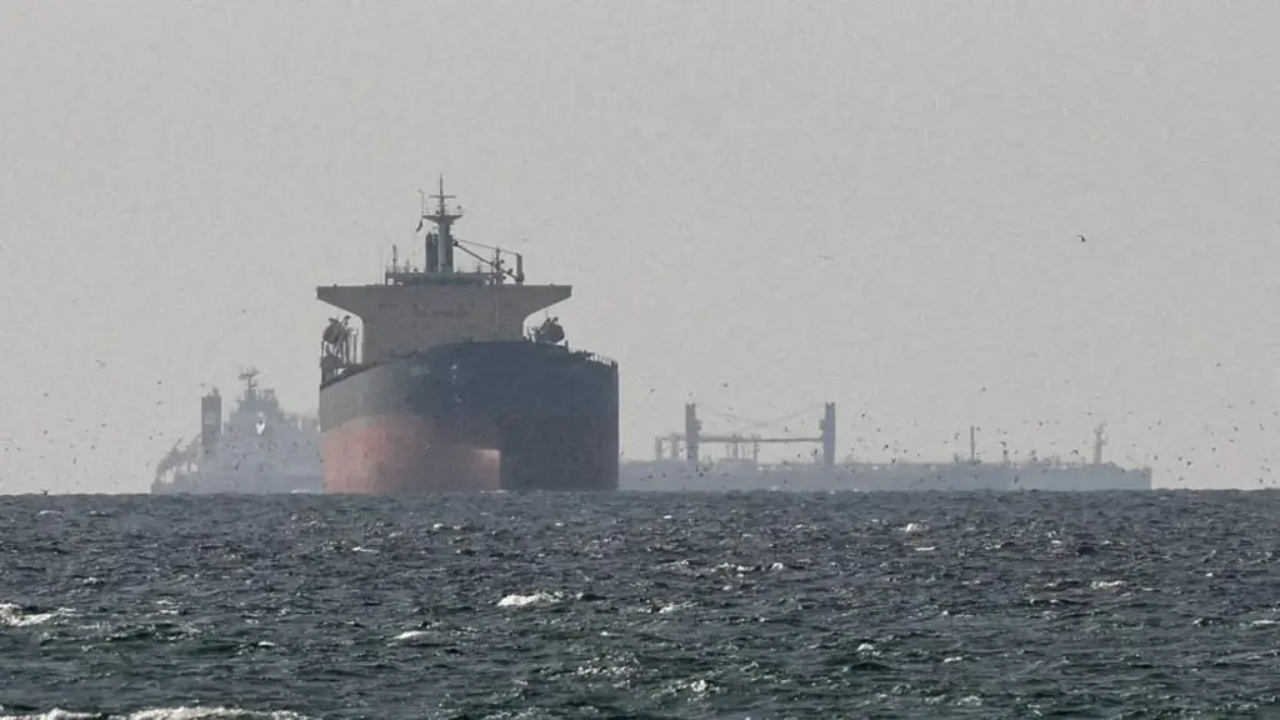
The geopolitical landscape shifted dramatically this week as Vice President JD Vance officially characterized Iran’s maritime maneuvers in the Strait of Hormuz as “economic terrorism.” This rhetoric accompanies the formal commencement of a U.S. naval blockade targeting Iranian ports, a move following the breakdown of diplomatic efforts in Islamabad.
The Pivot to “Maximum Pressure”
- The Accusation: Vance argued that Iran’s interference with global trade routes constitutes a direct attack on the world economy. He emphasized that the U.S. will no longer tolerate the “extortion” of shipping lanes.
- Operational Scope: Unlike a general blockade of the Strait, CENTCOM is specifically targeting Iranian-flagged vessels or those suspected of trading with Iranian ports. Allied traffic and neutral commerce moving to other Gulf nations remain—for now—exempt from the restrictions.
- The Nuclear Standoff: The U.S. maintains that the blockade will remain until Iran agrees to international oversight of its enriched uranium and a transparent verification process to prevent weaponization.
Global Market and Diplomatic Fallout
The ripple effects of the blockade were felt immediately across the globe:
- Energy Surge: Crude oil prices breached the $100 mark as traders reacted to the potential for a prolonged disruption in the world’s most vital energy artery.
- Allied Hesitation: Traditional European allies, including France and the UK, have distanced themselves from the blockade. President Macron has instead advocated for a “neutral” maritime mission focused solely on freedom of navigation rather than economic warfare.
- Iranian Defiance: Tehran has labeled the blockade an “act of war.” The IRGC has countered with threats to close the Strait entirely if their own commercial interests continue to be strangled by U.S. naval presence.
What’s Next?
While the blockade is in full effect, the window for diplomacy hasn’t closed entirely. Regional mediators from Turkey and Egypt are attempting to broker a last-minute return to talks before the existing ceasefire agreement officially expires next week. For now, the region remains on high alert as two of the world’s most powerful navies face off in narrow waters.

Suresh holds a Master of Commerce (M.Com) degree and is a dedicated personal finance researcher and writer. Combining his advanced academic background in commerce with deep industry research, he covers complex topics like taxation, banking systems, credit analysis, and personal finance strategies. As the founder of Tax Assistant (taxassistant.org), Suresh is committed to translating complicated financial guidelines and economic data into simple, accurate, and actionable educational resources for everyday readers.