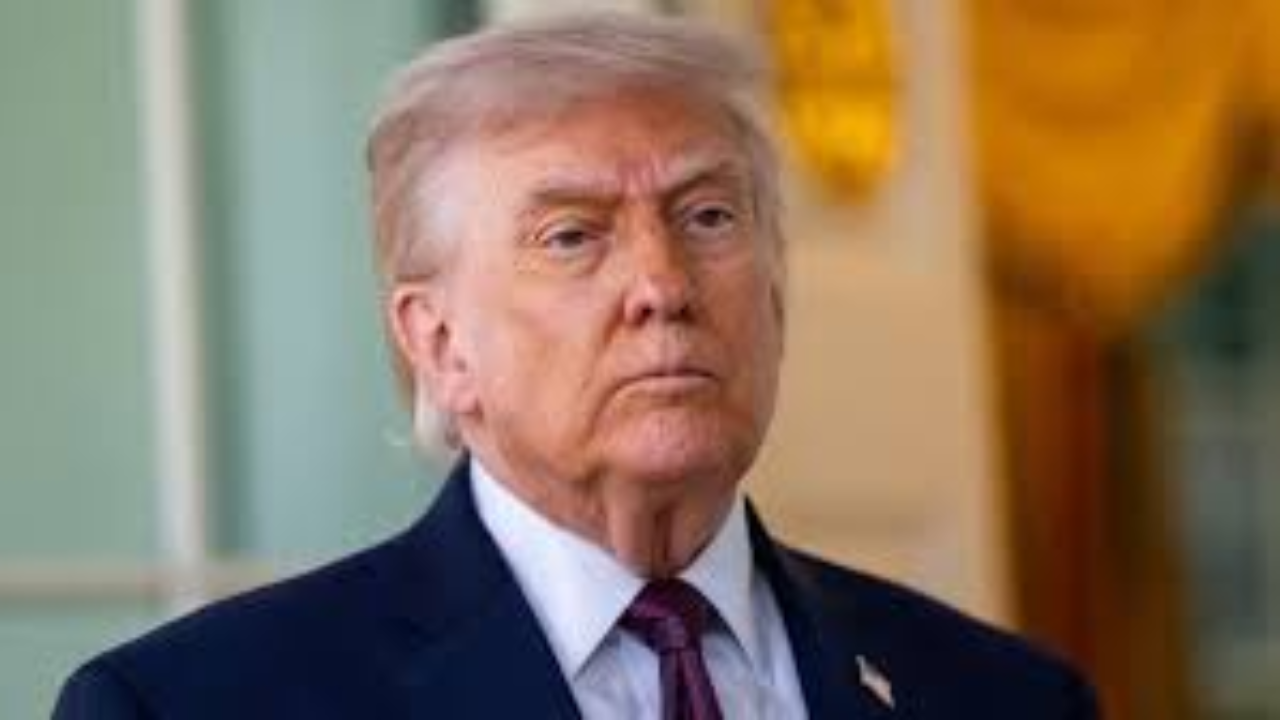
In a rapidly shifting diplomatic landscape, President Donald Trump has indicated that negotiations with Iran could restart within the next 48 hours. This development follows the U.S. Navy’s official implementation of a blockade on Iranian ports, a move triggered by the collapse of high-stakes talks in Islamabad earlier this week.
Current Situation Report (April 14, 2026)
- Renewed Diplomacy: In an interview with the New York Post, President Trump suggested a second round of Pakistan-mediated talks is on the horizon. He credited Pakistani Field Marshal Gen. Asim Munir for his role in the process and noted he is “inclined” to return to the table despite initial hesitation.
- Enforcement of the Blockade: U.S. Central Command (CENTCOM) confirmed the naval blockade began Monday morning. The operation aims to monitor and restrict all maritime traffic entering or exiting Iranian waters.
- Initial Confrontations: Within the first 24 hours of the operation, six merchant vessels were intercepted and ordered to turn back. Military reports indicate full compliance so far, with a massive force of 10,000 personnel and over a dozen warships maintaining the line.
- Humanitarian Corridors: While the blockade is strict, the U.S. has pledged to allow food and medicine to reach the civilian population, provided these shipments undergo mandatory inspections.
The Roots of the Standoff
The current tension stems from the failed “Islamabad Talks” (April 11–12), which were meant to cement a permanent peace deal during a brief ceasefire. Negotiations stalled over three primary issues:
- Strait of Hormuz Security: American demands for long-term control over vital shipping lanes.
- Nuclear Oversight: Disagreements regarding the transfer and management of Iran’s enriched nuclear materials.
- Economic Sanctions: Iran’s demand for the immediate release of frozen assets versus the U.S. “maximum pressure” strategy.
Economic Impact: As the standoff continues, global oil prices have spiked past $100 per barrel. Investors remain on edge, as any prolonged disruption to the Strait of Hormuz affects nearly 20% of the world’s daily oil supply.

Suresh holds a Master of Commerce (M.Com) degree and is a dedicated personal finance researcher and writer. Combining his advanced academic background in commerce with deep industry research, he covers complex topics like taxation, banking systems, credit analysis, and personal finance strategies. As the founder of Tax Assistant (taxassistant.org), Suresh is committed to translating complicated financial guidelines and economic data into simple, accurate, and actionable educational resources for everyday readers.