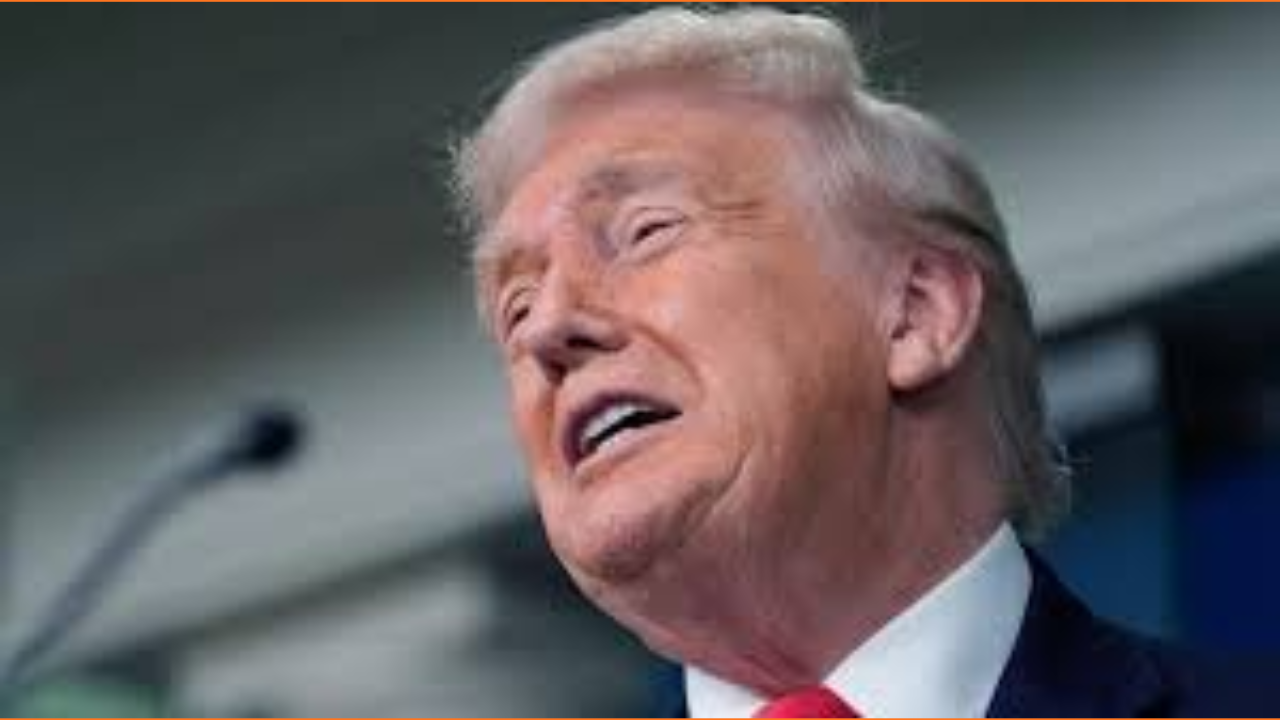
Established officially on January 15, 2026, the Board of Peace (BoP) has quickly transitioned from a Gaza-specific reconstruction task force into a significant—and controversial—new pillar of international diplomacy. Headquartered in Washington D.C., the Board is positioning itself as a streamlined, “business-first” alternative to traditional international bodies like the UN.
Thank you for reading this post, don't forget to subscribe!1. The Membership Paradox: Diplomacy at a Price
The most striking feature of the BoP is its tiered membership system, which mirrors a private equity structure more than a typical diplomatic forum.
- The “Pay-to-Play” Permanent Seat: For $1 billion, nations can secure a permanent seat on the board. These funds are ostensibly earmarked for the Gaza Reconstruction Fund, though the fact that they are controlled directly by the Chairmanship has drawn scrutiny.
- The Lifetime Chairman: Donald Trump holds the position of Chairman. Unlike a presidential term, this role is designed to be held indefinitely, allowing him to maintain global influence regardless of his domestic political status.
2. The Invitation List: Allies, Rivals, and Holdouts
Invitations have been extended to approximately 60 nations, creating a complex map of global allegiances:
- Early Adopters: Countries like Hungary, the UAE, and Argentina were among the first to join, signaling a shift toward Trump’s brand of bilateralism.
- The “Neutral” Giants: India and Turkey are currently in high-level negotiations, weighing the economic benefits of Gaza reconstruction contracts against the diplomatic cost of bypassing the UN.
- The Resistance: France and the UK remain the most vocal skeptics. France’s hesitation has already led to threats of severe economic retaliation (200% tariffs), highlighting the “carrot and stick” approach the administration is using to build the Board.
- The Wildcards: Invitations to both Vladimir Putin and Volodymyr Zelensky suggest the Board may eventually attempt to mediate the Russia-Ukraine conflict, though no formal joint meeting has occurred.
3. Leadership and Oversight
The Board’s Executive Committee is a blend of high-level government officials and titans of finance, signaling that the “Peace” being brokered is as much about investment as it is about security.
| Name | Role / Background |
| Jared Kushner | Lead Strategist for Middle East Integration |
| Marco Rubio | Diplomatic Liaison (U.S. Secretary of State) |
| Tony Blair | International Outreach & Governance |
| Marc Rowan | Financial Oversight (CEO, Apollo Global Management) |
4. Security on the Ground
Analysis: A Challenge to the UN?
By bypassing traditional multilateral institutions, the Board of Peace represents a “disruptor” model of foreign policy. Critics argue it commodifies peace and undermines the rule of law, while supporters claim it cuts through the “red tape” and stagnation that has plagued the Middle East for decades.