As the Arctic ice rapidly melts, losing 7.6 trillion metric tonnes since the 1990s, the region has transformed from a scientific frontier into a crucial geopolitical battleground. Superpowers are clashing over access to vast fossil fuel reserves (over 400 oil and gas fields) and rare earth minerals, alongside the strategic advantage of newly accessible maritime shipping routes.
Thank you for reading this post, don't forget to subscribe!Superpower Competition
The rush for control is dominated by major global players:
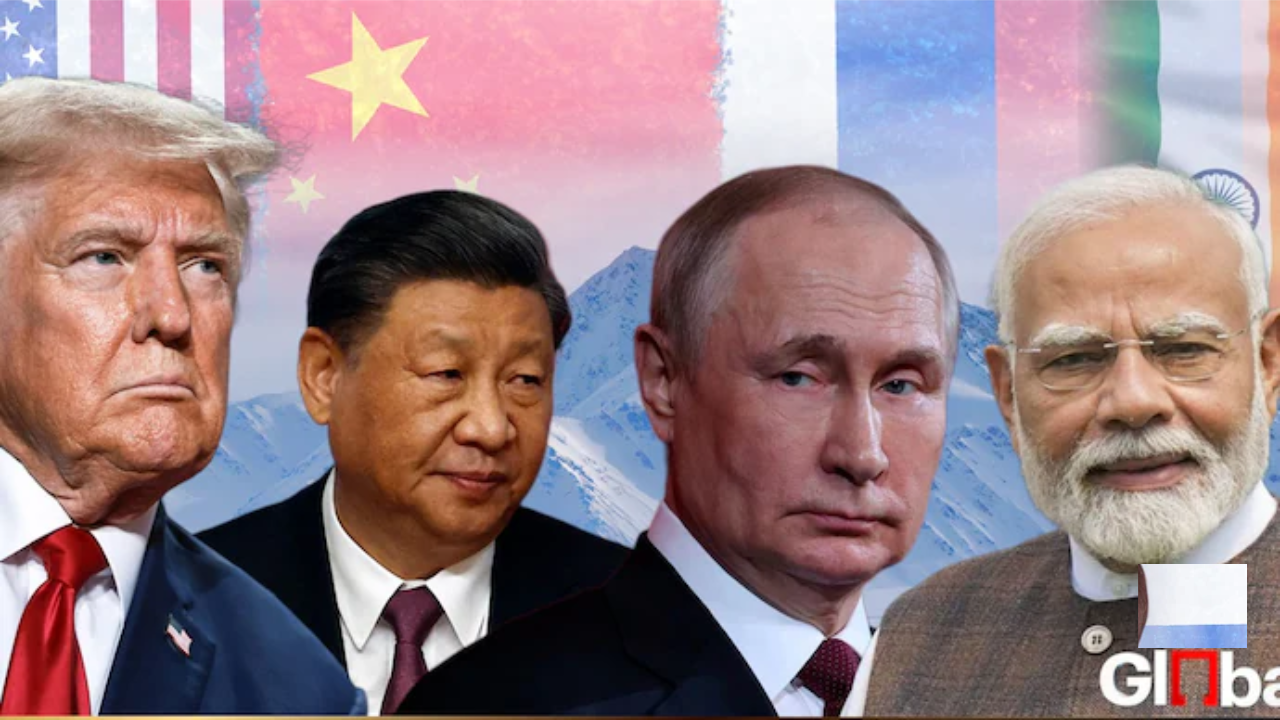
- Russia: Possessing over half the Arctic coastline, Russia views the region as a strategic necessity. It is strengthening its military presence and asserting control over the Northern Sea Route (NSR), challenging international navigation norms, particularly after the Ukraine invasion.
- The United States: Has re-established a Cold War-style presence, utilizing key assets like Greenland’s Thule base for missile warning and tracking, signalling renewed strategic competition.
- China: Declaring itself a “near-Arctic state,” Beijing is quietly expanding its influence through scientific research, infrastructure investment, and strategic partnerships, notably with Russia, complicating the geopolitical landscape.
- Canada: Is countering Russian and Chinese intelligence activities by investing in Arctic patrols and icebreakers to secure its northern frontier.
India’s Strategic Autonomy in the Arctic
Amid these manoeuvres, India is carefully charting its own course, aiming for strategic autonomy:
- Scientific Base: Since 2008, India has maintained a permanent Arctic research station, Himadri, in Svalbard, Norway, focusing on crucial climate, glaciology, and atmospheric studies.
- Policy and Vision: India formalized its interests with the Arctic Policy (2022), centered on six pillars, including scientific research, climate action, and energy security. This engagement aligns with India’s Blue Economy and Maritime Vision 2030.
- Strategic Opportunity: Melting ice opens potential new fishing grounds and shipping routes that could supplement the International North-South Transport Corridor connecting India to Europe. India’s satellite capabilities are also key for polar monitoring and climate science contributions.
- Diplomatic Challenge: India faces a critical test of great-power diplomacy. It must carefully balance its relationships with Moscow (for energy projects), Washington, and Beijing (whose growing dual-use presence poses a concern) without being pulled fully into any single bloc.
The Arctic is now an intersection of environmental responsibility, science diplomacy, and hard geopolitics, making India’s navigation of these polar tensions crucial for shaping its future economic and strategic role in a multipolar world.