Indian commercial lenders have been trapped in a brutal deposit crunch, with credit demand heavily outstripping the growth of low-cost savings. Historically, when the Reserve Bank of India (RBI) steps in to defend a falling Rupee, it sucks local cash out of the system—worsening the banks’ misery.
However, recent strategic currency market interventions by the central bank have delivered an unexpected windfall of relief to commercial vaults.
The Liquidity Injection: Swaps and Regulatory Cracks
When the RBI defends the Rupee by selling dollars, it absorbs local currency, starving the banking grid. To flip the script and inject much-needed rupee liquidity, the RBI leveraged two main strategies:
- Mega Dollar/Rupee Swaps: The central bank executed massive forex swap auctions (including a historic $10 billion, 3-year swap). By buying dollars from commercial banks in exchange for freshly minted rupees, the RBI injected hundreds of billions of local currency directly back into the banking system.
- Cracking Down on Off-Shore Bets: The RBI clamped down on aggressive currency derivative trading by capping banks’ net open positions at $100 million. Forcing lenders to unwind these massive offshore arbitrage positions effectively funneled cash back into domestic accounts.
Tapping the Diaspora: The NRI Deposit Lifeline
With domestic household savings increasingly migrating toward booming equity markets, Indian banks have been starved of retail deposits. The RBI countered this by easing restrictions on Foreign Currency Non-Resident (FCNR) accounts.
The Dual-Engine Fix: By granting banks more flexibility to market these FCNR accounts to the Indian diaspora, the RBI helped lenders pull in stable, dollar-denominated wealth. This simultaneously fortified India’s macro forex reserves and reduced banks’ reliance on cutthroat, expensive domestic deposit pricing.
Market Outlook: Balancing the Scales
While these measures provide a vital buffer, managing bank margins remains a delicate balancing act:
| Market Pressure | The RBI’s Relief Mechanism | The Net Benefit to Banks |
| Skyrocketing Funding Costs | Hyper-competition for domestic savings forced banks to hike deposit rates, squeezing net interest margins. | Eased NRI deposit rules and alternative funding pools reduced the urgent need to hike local retail rates. |
| Systemic Cash Deficits | Routine dollar-selling by the central bank repeatedly drained cash from the banking grid. | Long-term forex swaps and targeted Open Market Operations (OMOs) structurally replenished rupee liquidity. |
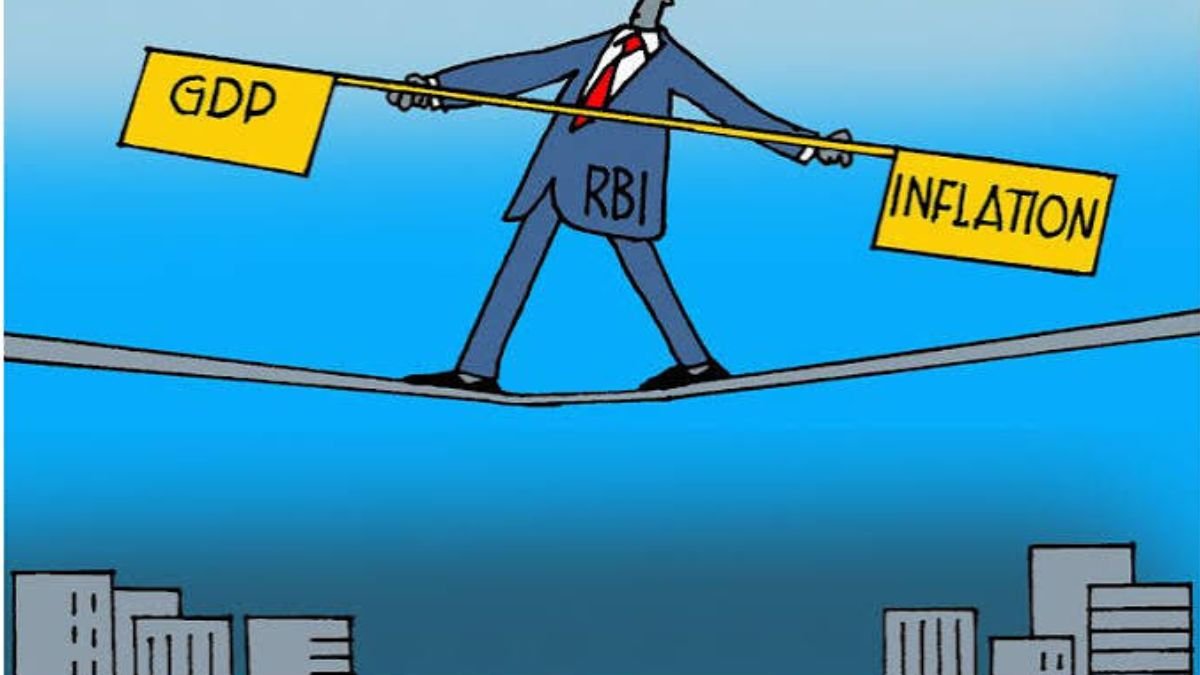
The Bottom Line: By aligning currency defense with domestic liquidity management, the RBI has insulated commercial lenders from global shocks, ensuring they have the financial runway to support India’s economic growth.

Suresh holds a Master of Commerce (M.Com) degree and is a dedicated personal finance researcher and writer. Combining his advanced academic background in commerce with deep industry research, he covers complex topics like taxation, banking systems, credit analysis, and personal finance strategies. As the founder of Tax Assistant (taxassistant.org), Suresh is committed to translating complicated financial guidelines and economic data into simple, accurate, and actionable educational resources for everyday readers.