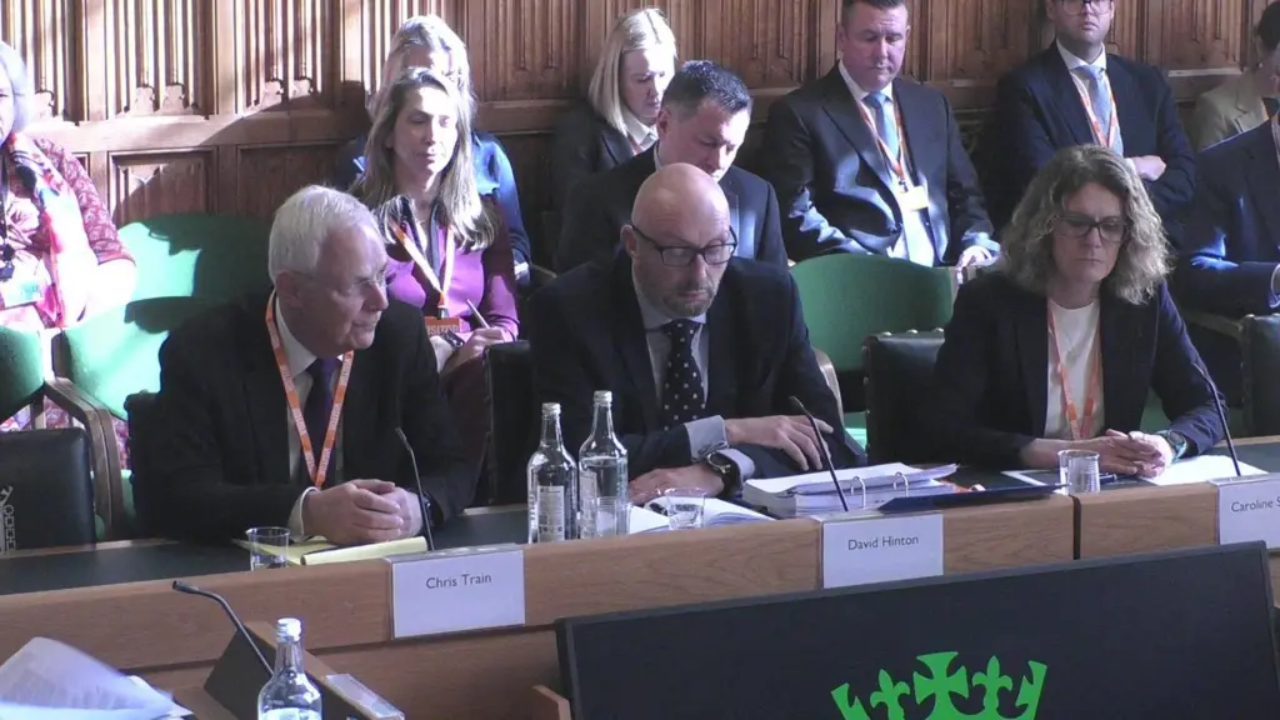
In a high-stakes hearing before the Environment, Food and Rural Affairs (EFRA) Committee, South East Water Chief Executive David Hinton faced heavy criticism from MPs regarding the company’s recent handling of widespread water disruptions across Kent and Sussex.
The Core Conflict
- The “Lifestyle” Argument: Hinton pointed to increased demand from the “work-from-home” culture as a primary stressor on the network.
- The Regulatory Rebuttal: The Drinking Water Inspectorate (DWI) dismissed these excuses, testifying that the company had been “flying blind” by neglecting critical testing and ignoring earlier warnings about infrastructure risks.
Timeline of Failure
The company has been under fire for a series of escalating incidents:
- Tunbridge Wells (Nov/Dec 2025): A chemical purification failure at the Pembury treatment plant forced 24,000 households onto a two-week “boil water” notice.
- Storm Goretti (Jan 2026): Power outages and burst pipes during the storm triggered a Major Incident, affecting 30,000 customers.
- Persistent Fragility: Continued infrastructure strain throughout February 2026 highlighted a lack of resilience in the network.
Pressure for Leadership Change
The political fallout has been swift and severe. A coalition of local MPs has formally called for Hinton’s resignation, citing several key grievances:
- Lack of Resilience: The network’s reliance on single-point assets means a single failure can paralyze an entire region.
- Poor Communication: Customers reported being unable to reach help, with average wait times exceeding 18 minutes during the peak of the crisis.
- Inadequate Leadership: MPs labeled the company’s response “shambolic” and called for a complete overhaul of the management structure.
“I want to apologise, plainly and directly… This should not have happened and I am truly sorry.” — David Hinton, CEO of South East Water.
Current Status
While South East Water has begun issuing automatic compensation to affected customers, the EFRA Committee remains skeptical of the company’s long-term recovery plan. The DWI is expected to continue its investigation into the “blind” operation of the Pembury site.

Suresh holds a Master of Commerce (M.Com) degree and is a dedicated personal finance researcher and writer. Combining his advanced academic background in commerce with deep industry research, he covers complex topics like taxation, banking systems, credit analysis, and personal finance strategies. As the founder of Tax Assistant (taxassistant.org), Suresh is committed to translating complicated financial guidelines and economic data into simple, accurate, and actionable educational resources for everyday readers.