The Qatari government has introduced a potential compromise to help break the deadlock over the closed Strait of Hormuz. Speaking at the Shangri-La Dialogue defense summit in Singapore, Qatari Deputy Prime Minister Sheikh Saoud bin Abdulrahman Al Thani stated that while Doha strongly opposes any permanent maritime tolls, a temporary fee for operational necessities—like mine-clearing—is negotiable.
Thank you for reading this post, don't forget to subscribe!This announcement comes at a critical moment, as the United States and Iran negotiate a complex framework to end their recent military conflict and reopen one of the world’s most vital energy corridors.
The Stakes & Key Positions
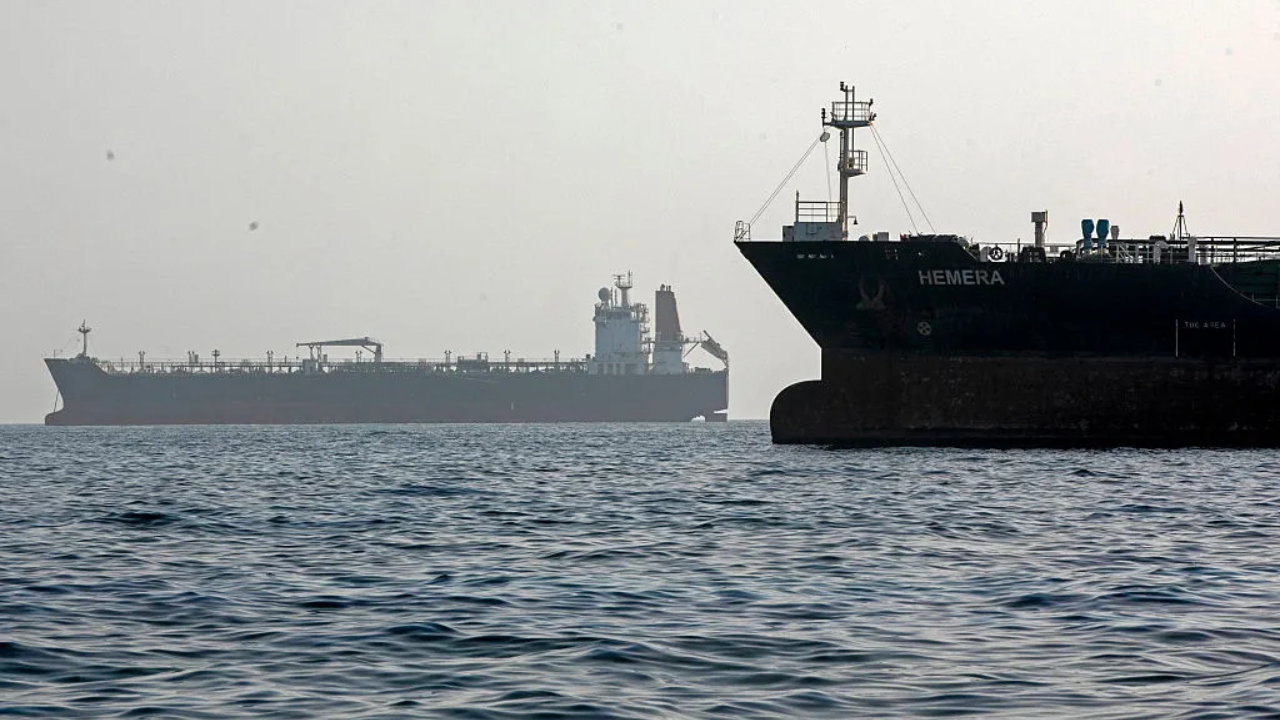
The Strait of Hormuz has been effectively choked since late February following US and Israeli military strikes against Iran. Because roughly 20% of global oil and liquefied natural gas (LNG) passes through the channel, the blockade has triggered an international energy and supply chain crisis.
Negotiations to lift the blockade have centered on starkly different visions for the waterway:
| Actor | Core Stance on the Strait |
| Iran | Demands the lifting of the US naval blockade and immediate access to $12 billion in frozen assets. It claims fees are necessary to cover “navigation and environmental protection services.” |
| United States | President Trump has demanded immediate, completely unrestricted, and free passage in both directions, making a “no tolls” policy a strict requirement for any final memorandum of understanding. |
| Qatar & Gulf Allies | Oppose permanent structural fees because they directly penalize global consumers, but are willing to support short-term, targeted costs to ensure physical safety. |
Why Qatar’s Middle Ground Matters
Qatar is operating as a vital financial and diplomatic intermediary alongside Pakistani mediators. By floating the idea of a temporary toll, Doha is trying to construct a face-saving exit ramp for both Washington and Tehran:
- For Tehran: A temporary fee for “service and safety” allows Iranian hardliners to claim they have successfully asserted regional management over the strait without completely alienating international maritime law.
- For Washington: Framing the fee as a temporary operational cost for mine-clearing allows the US to maintain its stance against permanent waterway taxation while achieving its primary objective: getting stranded commercial vessels moving safely.
While President Trump recently noted that an agreement to reopen the strait has been “largely negotiated,” the situation remains highly fluid as political hardliners in Tehran heavily resist the deal’s final terms.

"Suresh Kumar Saini is an experienced Tax Assistant and finance writer. He specializes in US & Canada Tax Guide, Indian Income Tax laws, GST compliance, and personal finance, helping freelancers and remote workers optimize their taxes."