High-level Iranian envoys are currently in Doha negotiating a framework agreement with Qatar’s Prime Minister to end the three-month-old war with the United States.
While a 14-point preliminary Memorandum of Understanding (MoU) is actively on the table, both Washington and Tehran are publicly tempering expectations, emphasizing that a final breakthrough is not yet a done deal.
3 Critical Pillars of the Talks
The diplomatic effort is highly complex, balancing global energy security, nuclear proliferation, and billions in frozen assets:
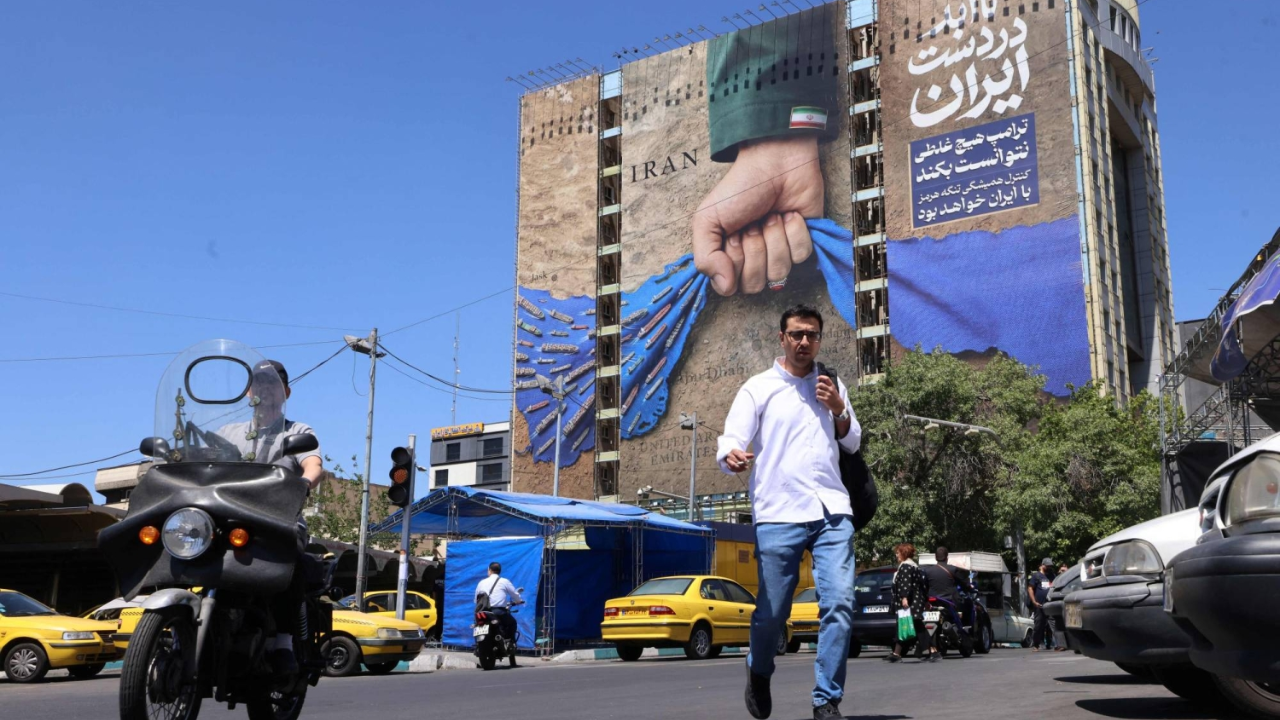
- The Strait of Hormuz: A central priority is reopening this vital maritime corridor (responsible for 20% of global oil/LNG). The proposed plan would give Iran a 30-day window to clear mines following an official ceasefire.
- Nuclear Restrictions: The U.S. is demanding strict, time-limited caps on Iran’s highly enriched uranium stockpiles. Iran maintains that specific nuclear technicalities will only be ironed out after the broader framework is signed.
- Frozen Assets: The Governor of Iran’s Central Bank is directly involved in the Doha talks, aiming to secure the release of tens of billions of dollars in frozen Iranian oil revenues currently locked by international sanctions.
The U.S. Position & Geopolitical Friction
While U.S. officials want to give diplomacy a chance, significant friction remains both at the negotiation table and on the ground.
“There is a pretty solid thing on the table in terms of their ability to… enter into a very real, significant, time-limited negotiation on the nuclear matter, and hopefully we can pull it off.” — U.S. Secretary of State Marco Rubio
Regional Complications
- The Abraham Accords Factor: President Donald Trump has called the talks positive but suggested that regional heavyweights like Saudi Arabia and Qatar simultaneously formalize ties with Israel.
- The Gulf Pushback: Gulf nations maintain that formal normalization with Israel remains strictly contingent on the creation of an independent Palestinian state.
- Active Conflict: Despite the diplomatic meetings, physical skirmishes continue. The U.S. recently conducted defensive strikes targeting Iranian mine-laying vessels and missile launch sites in southern Iran.

Suresh holds a Master of Commerce (M.Com) degree and is a dedicated personal finance researcher and writer. Combining his advanced academic background in commerce with deep industry research, he covers complex topics like taxation, banking systems, credit analysis, and personal finance strategies. As the founder of Tax Assistant (taxassistant.org), Suresh is committed to translating complicated financial guidelines and economic data into simple, accurate, and actionable educational resources for everyday readers.