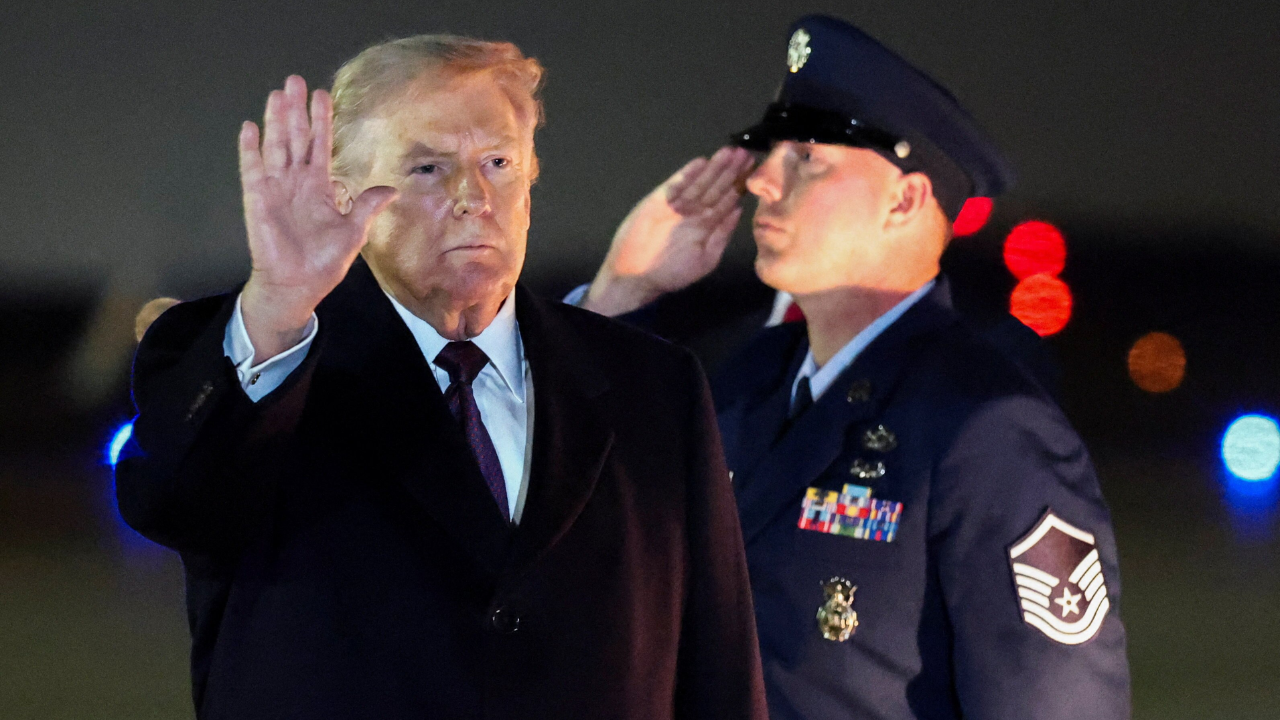
President Donald Trump has delivered a high-stakes warning to Tehran, aiming to de-escalate a rapidly expanding energy war in the Persian Gulf. This follows a chaotic sequence of events where an Israeli strike on Iranian soil triggered a massive retaliatory wave against regional energy infrastructure.
The Current Standoff
The situation reached a boiling point after Israel targeted the South Pars gas field—the crown jewel of Iran’s energy sector. In response, Iran launched a series of strikes that severely damaged Qatar’s Ras Laffan industrial complex and facilities in the UAE.
The U.S. Position:
- Guarantees for Israel: Trump stated that Israel will not strike Iranian gas fields again, characterizing the initial attack as an isolated, impulsive act.
- Protection of Qatar: The President drew a clear “red line,” warning Tehran that any further aggression against Qatari infrastructure would result in the total destruction of Iran’s own energy assets.
- Economic Deterrent: While expressing a desire to avoid “wiping out” Iran’s economic future, Trump emphasized that global energy security takes precedence over Iranian stability.
Impact Assessment
The exchange of fire has sent shockwaves through global markets and regional alliances:
- Energy Crisis: With QatarEnergy declaring force majeure, global LNG supplies are under severe threat. Brent crude has spiked to over $107 per barrel.
- Regional Fallout: Qatar and the UAE find themselves in a diplomatic crossfire, condemning the initial Israeli provocation while simultaneously being forced to defend against Iranian missiles.
- Maritime Security: The Strait of Hormuz is effectively a “no-go” zone for commercial shipping, prompting a massive buildup of U.S. naval assets in the region.
Key Takeaway: The White House is attempting to act as a “firewall,” promising to restrain Israel in exchange for an immediate cessation of Iranian attacks on Gulf neighbors.

Suresh holds a Master of Commerce (M.Com) degree and is a dedicated personal finance researcher and writer. Combining his advanced academic background in commerce with deep industry research, he covers complex topics like taxation, banking systems, credit analysis, and personal finance strategies. As the founder of Tax Assistant (taxassistant.org), Suresh is committed to translating complicated financial guidelines and economic data into simple, accurate, and actionable educational resources for everyday readers.