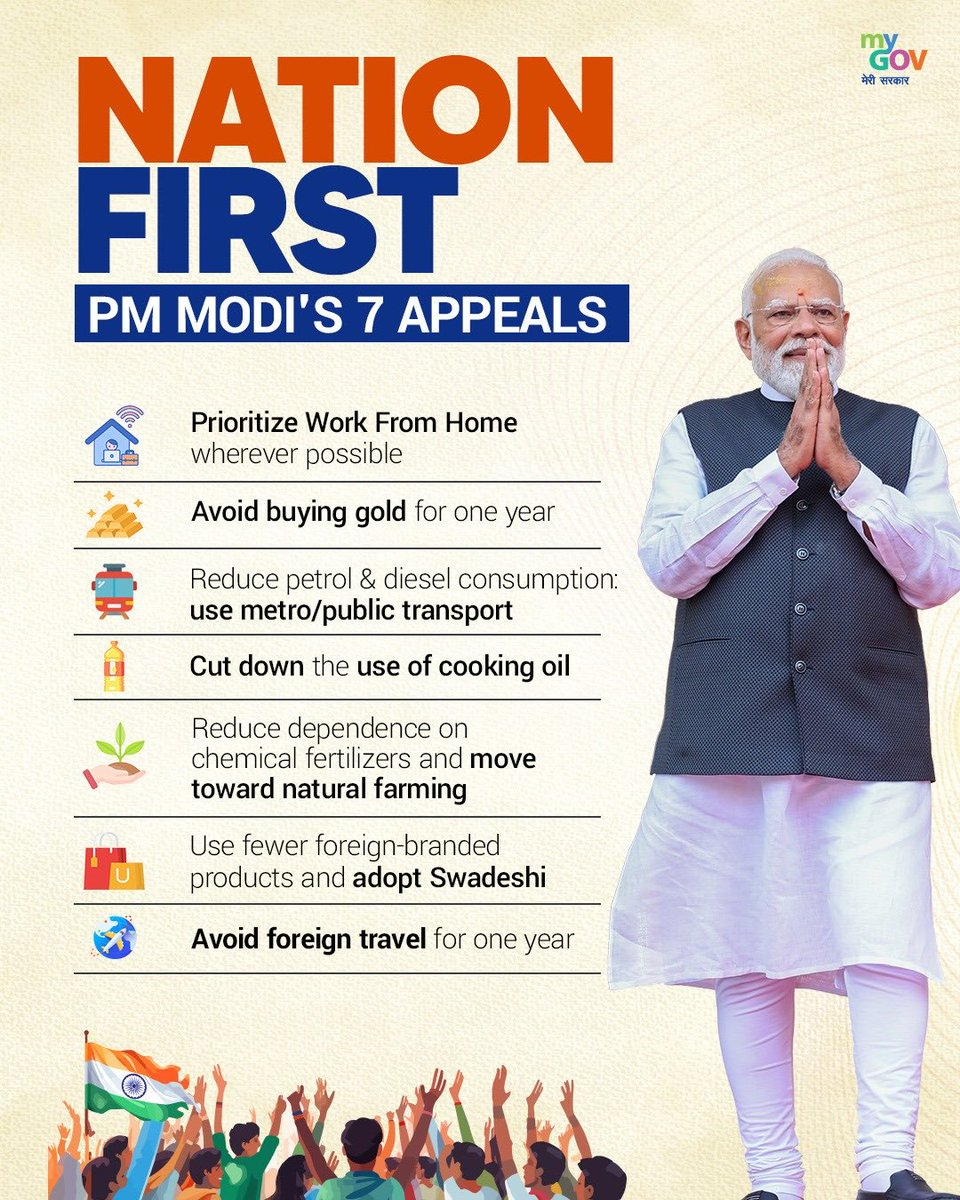
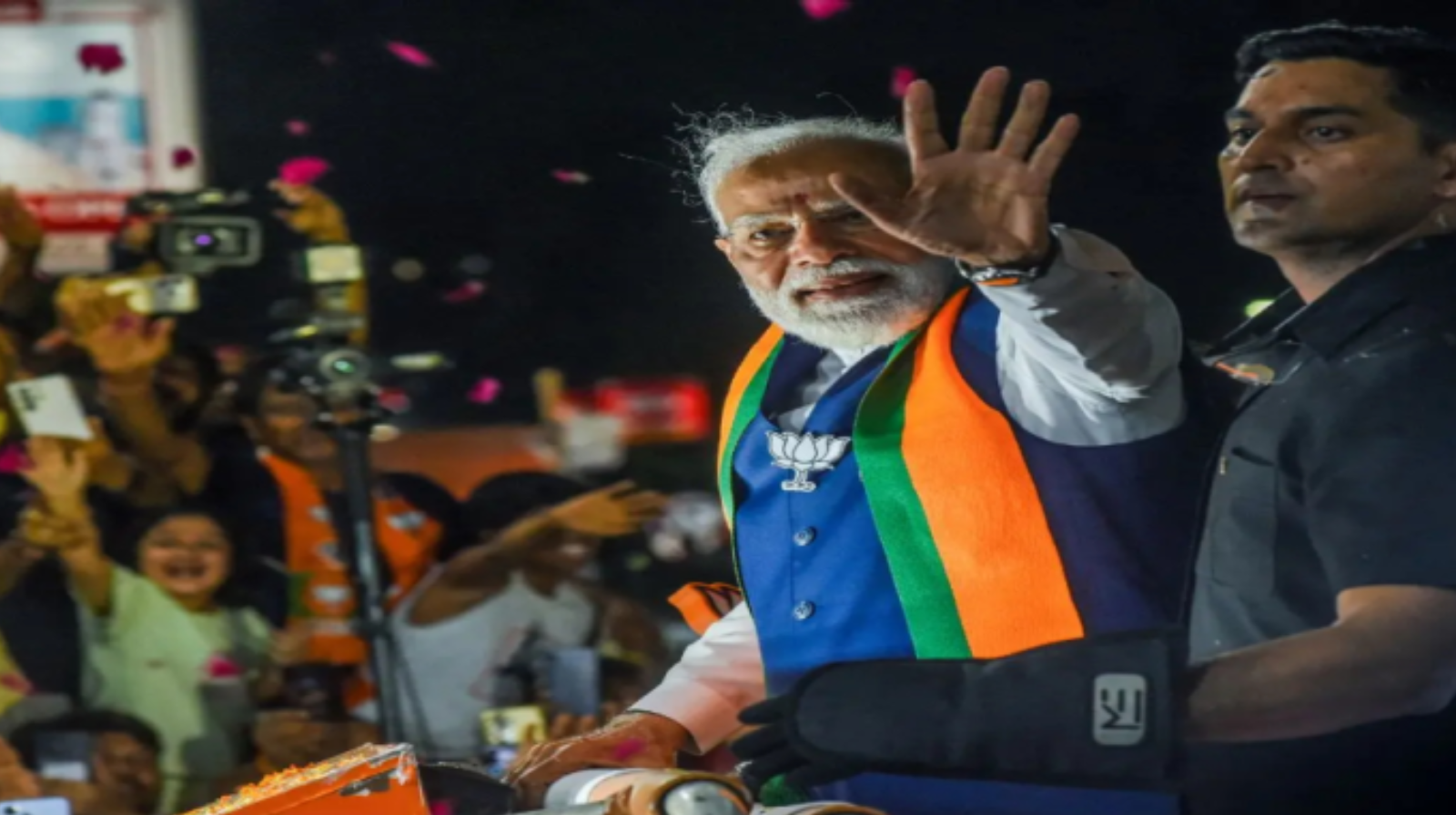
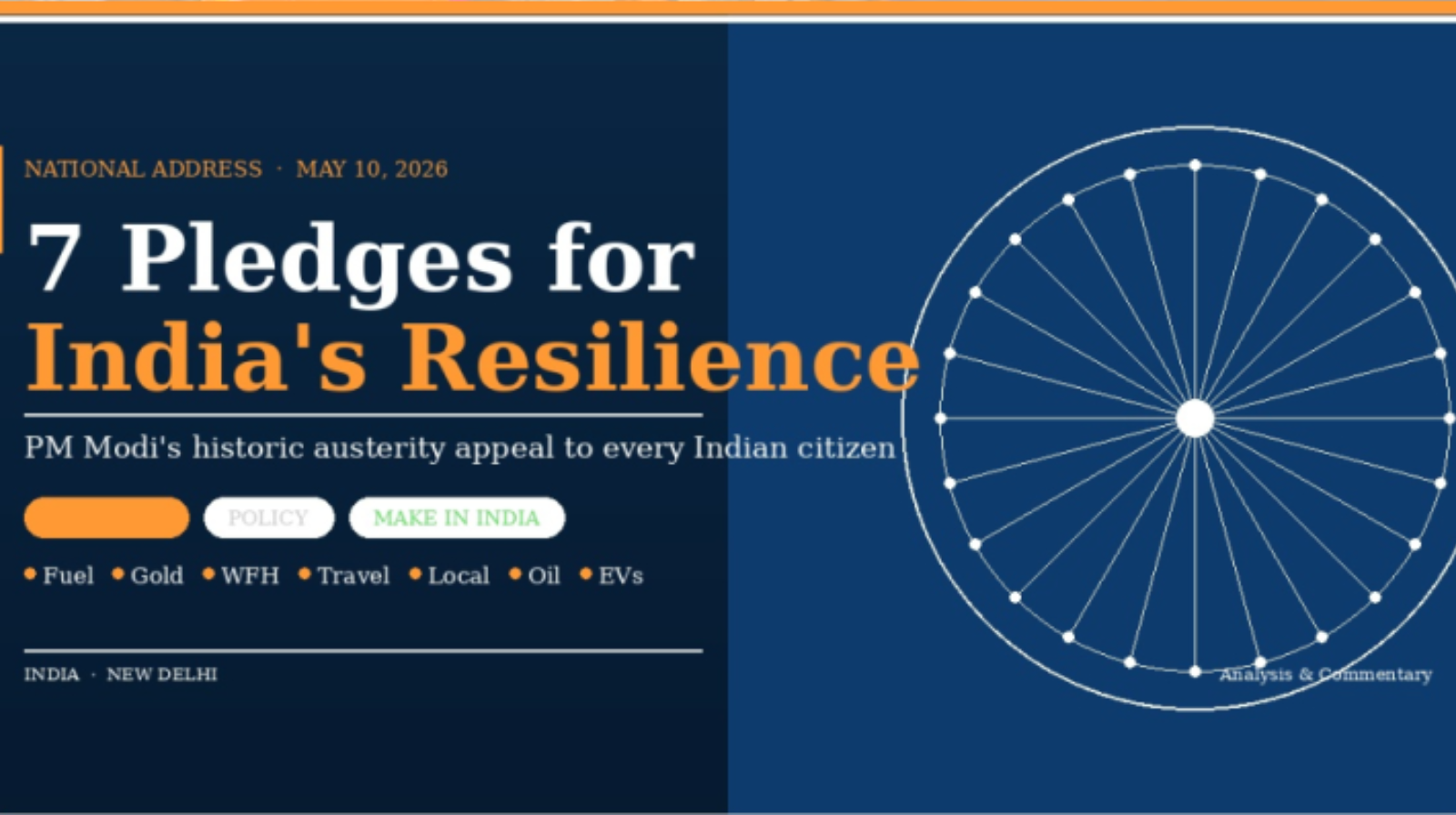
Prime Minister Narendra Modi introduced a “Nation First” initiative, calling on the citizens of India to adopt seven specific voluntary measures. This appeal comes in response to the economic pressures triggered by the West Asia crisis, which has led to soaring crude oil prices and a strain on India’s foreign exchange reserves.
Thank you for reading this post, don't forget to subscribe!The Prime Minister has characterized these steps as a modern “patriotic duty” to ensure national economic stability.
The “Seven Sacrifices” for Economic Resilience
- Fuel Conservation: Curbing the use of petrol and diesel through carpooling, public transit, and a faster transition to electric vehicles (EVs).
- Gold Postponement: A request to halt gold purchases for one year to prevent the outflow of foreign currency.
- Domestic-Only Travel: Delaying international vacations and “destination weddings” in favor of exploring Indian tourism.
- Work-from-Home (WFH): Encouraging businesses to return to remote work models to slash national fuel demand.
- Edible Oil Reduction: Reducing household consumption of cooking oils to lower the country’s massive import bill.
- Natural Farming Transition: Urging the agricultural sector to cut chemical fertilizer use by 50% in favor of organic methods.
- Swadeshi Prioritization: A renewed push to buy Indian-made goods over foreign brands to strengthen the local economy.
The Economic Rationale
The core objective is to protect the Rupee and manage inflation. As global oil prices spike due to geopolitical conflict, the Indian government is attempting to manage the “demand side” of the economy rather than relying solely on fiscal policy. By reducing the consumption of imported goods (oil, gold, fertilizers), the government aims to keep the trade deficit under control.
Current National Sentiment
The announcement has created a sharp divide in public and political discourse:
| Perspective | Stance |
| Government | Frames the move as a proactive, collective effort (similar to the COVID-19 spirit) to insulate India from global shocks. |
| Opposition | Critics argue that asking citizens to reduce their quality of life is an admission of economic mismanagement. |
| Markets | Early reactions showed volatility, as sectors related to travel, luxury goods, and jewelry braced for a slowdown in consumer spending. |
Bottom Line: These are voluntary appeals, not laws. The government is betting on the “behavioral economics” of the Indian public to stabilize the national balance sheet during a global crisis.

"Suresh Kumar Saini is an experienced Tax Assistant and finance writer. He specializes in US & Canada Tax Guide, Indian Income Tax laws, GST compliance, and personal finance, helping freelancers and remote workers optimize their taxes."